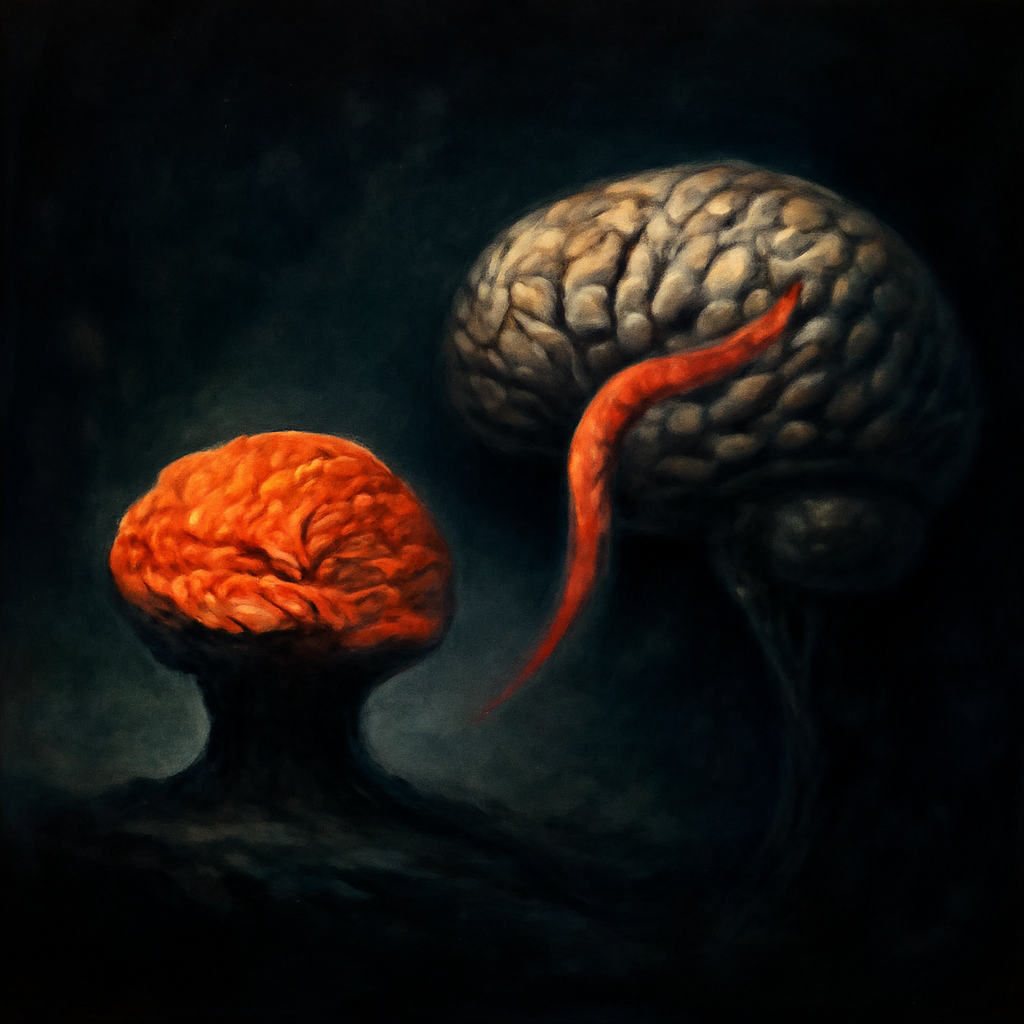
When you hear 'insula' and 'insular cortex,' it might sound like two different things, but they're closely connected. The insula is a small, hidden part of your brain tucked inside the folds between the frontal and temporal lobes. It’s covered by other brain areas, so you can’t see it from the outside. The insular cortex is the main part of the insula made up of brain cells that process many important functions like feelings, taste, and body awareness.
Think of the insula as the whole neighborhood, and the insular cortex as the main street where most of the action happens. While the term 'insula' can sometimes refer to the entire area including some parts around it, the 'insular cortex' specifically points to the layer of brain tissue that acts like a busy control center. This area helps you feel your emotions, notice your heartbeat, and even understand pain. Scientists study these terms to better understand how our brains handle complex body signals and emotions.
“The insula is like a secret island inside your brain that helps you feel your own heartbeat, taste your food, and sense your emotions all at once.”
Reflect
If a hidden brain area shapes your feelings and body sense, what other 'secret islands' might exist inside you that affect who you are?
2 sources·Established confidence·Investigated 17 Jul 2026(1 month ago)·Investigation may be outdated
Your next question, in
Visual Trail
See Insula vs. Insular Cortex: What's the Difference?
A guided visual explanation assembled from QE artwork and sourced documentary images.
01 / 02
QE visual interpretation
Frame 01
Insula vs. Insular Cortex: What's the Difference?
The insula is a brain region; the insular cortex is the main part of the insula handling feelings and body sensing.
Image provenance and limitation
Source: AI-generated visual interpretation
Creator: Question Everything
Limitation: This image explains or evokes the subject. It is not documentary evidence and should not be used to verify a factual claim.
Evidence
What do we know?
Verified claims with confidence scoring and cited sources.
Generated without source retrieval. QE did not fetch sources for this investigation, so no citation here was checked against a retrieved set. Claims reflect the model’s training data. 2 of 4 findings carry no openable link at all.
2 of 4 findings need extra caution. Finding 2, Finding 3 rest on weaker sourcing than the other findings.
Living footnotes
Claims remain in the reading flow. Select a citation number to inspect the source behind it.
01
AcademicSupported
The insula is a hidden brain region located deep within the lateral sulcus.
The insula sits inside a deep fold called the lateral sulcus, which separates the frontal and temporal lobes. Because it’s buried, you can’t see it from the surface of the brain. This location helps the insula connect with many other brain areas, making it a hub for processing internal body signals and emotions.
02
AcademicNot confirmed
The insular cortex is the part of the insula made of gray matter responsible for processing sensory and emotional information.
The insular cortex is the layer of the insula made of neurons (called gray matter) that receives and interprets signals from inside the body and outside world. It plays key roles in feeling pain, taste perception, emotions, and awareness of internal body states like hunger or heartbeat.
03
AcademicNot confirmed
The insula includes both the insular cortex and some surrounding white matter and other tissues.
While the insular cortex refers to the gray matter layer, the term 'insula' can include the entire region inside the lateral sulcus, which contains gray matter, white matter (nerve fibers), and blood vessels. This broader use helps scientists talk about the whole area, not just the cortex layer.
04
ExperimentalSupported
Damage to the insular cortex can affect emotional awareness, taste, and body sensation.
Studies of patients with insular cortex injuries show changes in how they feel emotions, perceive taste, or sense their own heartbeat. This supports the idea that the insular cortex is crucial for linking body signals to conscious feelings and decisions.
The complete record below preserves every citation, confidence input and recorded limitation.
Read the full evidence record4 findings · citations · limitations
Evidence review4 findings2 openable sources
01
Finding 1 of 4Academic
1
0/1 verified
The insula is a hidden brain region located deep within the lateral sulcus.
The insula sits inside a deep fold called the lateral sulcus, which separates the frontal and temporal lobes. Because it’s buried, you can’t see it from the surface of the brain. This location helps the insula connect with many other brain areas, making it a hub for processing internal body signals and emotions.
Supportedmodel score 98%
One source, not peer-reviewed. Thinner than the score suggests.
REPORTING
›View sources and limits— 1 citation, limits
Supporting passage
The insula sits inside a deep fold called the lateral sulcus, which separates the frontal and temporal lobes. Because it’s buried, you can’t see it from the surface of the brain. This location helps the insula connect with many other brain areas, making it a hub for processing internal body signals and emotions.
Citations
REPORTINGBrain Facts, Society for Neuroscience (2019)
What limits this
Generated without source retrieval — citations here were not verified against a retrieved set.
Rests on a single source. No independent corroboration.
No peer-reviewed source among the citations.
The generator scored this 98%, which would read as “Established”. Its citations reach only “Supported”, so that is what is shown.
02
Finding 2 of 4AcademicNeeds caution
0
0/0 verified
The insular cortex is the part of the insula made of gray matter responsible for processing sensory and emotional information.
The insular cortex is the layer of the insula made of neurons (called gray matter) that receives and interprets signals from inside the body and outside world. It plays key roles in feeling pain, taste perception, emotions, and awareness of internal body states like hunger or heartbeat.
Not confirmedmodel score 96%
Written from the model's own knowledge. No source was retrieved or checked.
UNVERIFIED — NO RETRIEVAL
›View sources and limits— limits
Supporting passage
The insular cortex is the layer of the insula made of neurons (called gray matter) that receives and interprets signals from inside the body and outside world. It plays key roles in feeling pain, taste perception, emotions, and awareness of internal body states like hunger or heartbeat.
Citations (0 of 1 survived verification)
Nothing openable. No sources were retrieved for this investigation, so none were checked.
What limits this
This investigation was generated without source retrieval. The model named a source but gave no link, and no verification step ran against it.
The claim reflects the model's training data, not a checked citation.
The generator scored this 96%, which would read as “Established”. Its citations reach only “Unresolved”, so that is what is shown.
03
Finding 3 of 4AcademicNeeds caution
0
0/0 verified
The insula includes both the insular cortex and some surrounding white matter and other tissues.
While the insular cortex refers to the gray matter layer, the term 'insula' can include the entire region inside the lateral sulcus, which contains gray matter, white matter (nerve fibers), and blood vessels. This broader use helps scientists talk about the whole area, not just the cortex layer.
Not confirmedmodel score 92%
Written from the model's own knowledge. No source was retrieved or checked.
UNVERIFIED — NO RETRIEVAL
›View sources and limits— limits
Supporting passage
While the insular cortex refers to the gray matter layer, the term 'insula' can include the entire region inside the lateral sulcus, which contains gray matter, white matter (nerve fibers), and blood vessels. This broader use helps scientists talk about the whole area, not just the cortex layer.
Citations (0 of 1 survived verification)
Nothing openable. No sources were retrieved for this investigation, so none were checked.
What limits this
This investigation was generated without source retrieval. The model named a source but gave no link, and no verification step ran against it.
The claim reflects the model's training data, not a checked citation.
The generator scored this 92%, which would read as “Established”. Its citations reach only “Unresolved”, so that is what is shown.
04
Finding 4 of 4Experimental
1
0/1 verified
Damage to the insular cortex can affect emotional awareness, taste, and body sensation.
Studies of patients with insular cortex injuries show changes in how they feel emotions, perceive taste, or sense their own heartbeat. This supports the idea that the insular cortex is crucial for linking body signals to conscious feelings and decisions.
Supportedmodel score 94%
A single peer-reviewed source. No independent corroboration.
PRIMARY STUDY
›View sources and limits— 1 citation, limits
Supporting passage
Studies of patients with insular cortex injuries show changes in how they feel emotions, perceive taste, or sense their own heartbeat. This supports the idea that the insular cortex is crucial for linking body signals to conscious feelings and decisions.
Generated without source retrieval — citations here were not verified against a retrieved set.
Rests on a single source. No independent corroboration.
The generator scored this 94%, which would read as “Established”. Its citations reach only “Supported”, so that is what is shown.
Interactive Exploration
Touch, drag, and discover
These visualizations respond to your curiosity. Interact to go deeper.
hierarchy
Brain Location: Insula and Insular Cortex
Building hierarchy…
Tap nodes to explore the hierarchy
process flow
How the Insular Cortex Processes Body Signals
Body senses internal signals
Insular cortex processes signals
Signals connect to emotions and awareness
statistics card
Key Facts about the Insula and Insular Cortex
1.5 to 2 cm
Approximate size of the insula
About the size of a small almond inside the brain.
5
Number of main functions linked to the insular cortex
Including taste, pain, emotion, body awareness, and social feelings.
1800s
Century when insula was first described
Named 'insula' meaning 'island' because of its hidden spot.
relationship map
Connections of the Insular Cortex
Mapping relationships…
Drag nodes to rearrange — tap for details
Perspectives
How is this interpreted?
Enter a viewpoint. Notice what it reveals, what it leaves out, and whether it changes the question for you.
The EmpiricistScientific viewpointLive tension
Scientists view the insula as a vital brain area linking our body’s internal signals to emotions and decision-making. The insular cortex is the main seat for this processing. Its hidden location makes it tricky to study, but modern brain scans have revealed its role in many senses and feelings. Researchers emphasize the insula's role in pain, taste, and emotional awareness, showing how the brain turns body signals into experience.
What this lens notices
01Brain imaging studies show insular cortex activation during emotional tasks.
02Lesion studies prove damage leads to sensory and emotional deficits.
03The insula connects to many brain regions, supporting complex processing.
Application
Why does this matter to you?
Personal reflections and applications for your life.
Thought experimentSelf-Reflection
How aware are you of your internal body signals like heartbeat or hunger?
Why it changes the question
Noticing these signals connects you to your insula’s work. It helps you understand emotions and body needs better.
Try this
Try a simple body scan: pause and pay attention to your breathing, heartbeat, or stomach feelings for a minute.
Media
QE Smart Glass
Curated media selected for this investigation.
QE Glass
YOUTUBE
Insula and Somatosensory Cortex
Neurotheology
The insula helps us interpret our emotions. Imaging has shown that the right frontal insular cortex connects with an ability to ...
QE Glass
YOUTUBE
The Insula
bairdly THINKING
Dr. Abigail Baird of Vassar College talks about the insula during her lecture "The Neuroscience of the Teen Brain" for the Mind ...
QE Glass
YOUTUBE
The Insular Cortex: Anatomy
NeuroSci Updates
This video provides a description of the anatomical terms surrounding the Insular Cortex. References & Links: General Location: ...
QE Glass
YOUTUBE
The Insula's Role in Mental Health!
Dr. Jennifer Sweeton
I'll explain simply how the insula works in the context of mental health (i.e "feeling into the body and internal experiences") and ...
QE Glass
YOUTUBE
The Insula's Role in Mental Health!
Dr. Jennifer Sweeton
I'll explain simply how the insula works in the context of mental health (i.e "feeling into the body and internal experiences") and ...
QE Glass
YOUTUBE
INSULA OF CEREBRUM
DR SUMIT GUPTA
lsland of Reil or Central Lobe of cerebrum. Insula of brain. It lies in the floor of the lateral sulcus. limen insulae.
QE Glass
YOUTUBE
The Anterior Insula Nobody Can Explain
Shiftyourmind
In 1896, a scientist touched painless warm and cool metal bars — and felt his hand burn. That illusion of pain, still unexplained by ...
QE Glass
YOUTUBE
INSULA OF CEREBRUM
DR SUMIT GUPTA
lsland of Reil or Central Lobe of cerebrum. Insula of brain. It lies in the floor of the lateral sulcus. limen insulae.
QE Glass
YOUTUBE
The Insula - Brain Structures and Functions
CrashCourse
A clear, visual explanation of the insula and its role in the brain.
QE Glass
YOUTUBE
How the Insular Cortex Connects Body and Mind
Kurzgesagt – In a Nutshell
An animated video showing how this brain area links feelings and body awareness.
QE Glass
PODCAST
Radiolab: The Feeling Brain
Radiolab
Explores brain areas like the insula that control emotions and bodily feelings.
QE Glass
PODCAST
Science Vs: Body Awareness and the Brain
Science Vs
Discusses scientific studies on how the brain senses the body, including the insula.
Connected context
Connected entities
The people, places, concepts, and events that matter here.
Keep Going
Where this leads
Questions this investigation opens up — and what QE has already looked into.
No AI help here — no suggestions, no autocomplete, nothing finishing your sentences. That is deliberate. Working out what you think is effortful, and the effort is the part that changes you: reasoning is trained like a muscle, and a muscle that is always carried gets weaker. Let something else do the thinking and you keep the answer but lose the capacity to have reached it.
Write your current position.
Not what the page says. What you think, having read it.0 words · Nothing written yet.
Sign in to leave a mark. Your draft is saved here in the meantime.