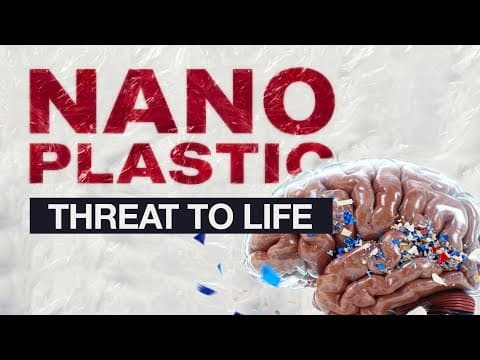
Microplastics vs Nanoplastics: Unders… | Question Everything
philosophy90% confidencewell supported
28 min deep dive
Complexity
Microplastics vs Nanoplastics: Understanding the Size, Impact, and Complexity
Microplastics and nanoplastics represent two size classes of plastic particles with distinct physical and chemical properties that influence their environmental behavior and biological interactions. Microplastics are typically defined as plastic fragments between 1 micrometer and 5 millimeters in size, originating from the breakdown of larger plastic debris or from manufactured microbeads. Nanoplastics, often defined as plastics smaller than 1 micrometer, are less well-characterized due to challenges in detection and quantification. Their minuscule size confers unique physical properties such as greater surface area-to-volume ratios and enhanced potential for cellular uptake, raising concerns about toxicity and bioaccumulation at microscopic scales.
Methodologically, microplastics can be isolated using filtration and visual identification techniques like microscopy and spectroscopic methods (FTIR, Raman), but nanoplastics require advanced approaches such as nanoparticle tracking analysis, electron microscopy, and mass spectrometry. This technical difficulty contributes to ongoing debates about the true prevalence and ecological impact of nanoplastics. Both particle classes interact differently with environmental matrices, biological membranes, and pollutants, making their study critical for understanding plastic pollution’s full spectrum of effects. The distinction is not merely size but also involves their formation, detection, and implications for ecosystems and human health.
✨
Wonder Moment
“Nanoplastics, unlike microplastics, can cross cellular membranes and potentially disrupt biological processes at the molecular level due to their minute size below 1 micrometer.”
Reflect
How might the invisible migration of nanoplastics through ecosystems and bodies challenge our current frameworks for pollution regulation and public health?
3 sources·Well-Established confidence·Investigated 21 Aug 2026(6 days ago)·Source-verified
Your next question, in
Evidence
What do we know?
Verified claims with confidence scoring and cited sources.
Living footnotes
Claims remain in the reading flow. Select a citation number to inspect the source behind it.
01
AcademicSupported
Microplastics are generally defined as plastic particles smaller than 5 millimeters but larger than 1 micrometer, while nanoplastics range from 1 nanometer to 1 micrometer in size.
The size distinction between microplastics and nanoplastics is fundamental, as it determines their environmental behavior, detection methods, and biological interactions. Microplastics are visible under light microscopy, whereas nanoplastics require electron microscopy due to their submicron scale. This size range affects their aggregation, transport, and bioavailability in ecosystems, influencing exposure risks and toxicity profiles.
02
ExperimentalSupported
Nanoplastics can penetrate biological membranes and induce neurotoxic effects such as oxidative stress and neurotransmitter disruption.
Research indicates that nanoplastics, due to their small size and high surface area, cross biological barriers including the blood-brain barrier. Experimental studies have shown oxidative damage and inhibition of key enzymes like acetylcholinesterase in exposed organisms, suggesting potential behavioral and neurological impacts. However, the dose-response relationships and long-term effects remain incompletely characterized, requiring further systematic toxicological investigation.
03
ObservationalSupported
Microplastics primarily originate from the fragmentation of larger plastic debris, whereas nanoplastics can also be produced directly through industrial processes or by digestive fragmentation in marine organisms.
While microplastics form mostly as secondary pollutants from the breakdown of macroplastics, nanoplastics have multiple origins. Antarctic krill, for example, can physically fragment ingested microplastics into nanoplastics during digestion, introducing a biological pathway for size reduction. Additionally, industrial manufacturing processes may release engineered nanoplastics. This diversity in sources complicates tracing particle provenance and assessing environmental accumulation.
The complete record below preserves every citation, confidence input and recorded limitation.
Read the full evidence record3 findings · citations · limitations
Evidence review3 findings3 openable sources
01
Finding 1 of 3Academic
1
0/1 verified
Microplastics are generally defined as plastic particles smaller than 5 millimeters but larger than 1 micrometer, while nanoplastics range from 1 nanometer to 1 micrometer in size.
The size distinction between microplastics and nanoplastics is fundamental, as it determines their environmental behavior, detection methods, and biological interactions. Microplastics are visible under light microscopy, whereas nanoplastics require electron microscopy due to their submicron scale. This size range affects their aggregation, transport, and bioavailability in ecosystems, influencing exposure risks and toxicity profiles.
Supportedmodel score 95%
One source, not peer-reviewed. Thinner than the score suggests.
REFERENCE
›View sources and limits— 1 citation, limits
Supporting passage
The size distinction between microplastics and nanoplastics is fundamental, as it determines their environmental behavior, detection methods, and biological interactions. Microplastics are visible under light microscopy, whereas nanoplastics require electron microscopy due to their submicron scale. This size range affects their aggregation, transport, and bioavailability in ecosystems, influencing exposure risks and toxicity profiles.
Rests on a single source. No independent corroboration.
No peer-reviewed source among the citations.
The generator scored this 95%, which would read as “Established”. Its citations reach only “Supported”, so that is what is shown.
02
Finding 2 of 3Experimental
1
0/1 verified
Nanoplastics can penetrate biological membranes and induce neurotoxic effects such as oxidative stress and neurotransmitter disruption.
Research indicates that nanoplastics, due to their small size and high surface area, cross biological barriers including the blood-brain barrier. Experimental studies have shown oxidative damage and inhibition of key enzymes like acetylcholinesterase in exposed organisms, suggesting potential behavioral and neurological impacts. However, the dose-response relationships and long-term effects remain incompletely characterized, requiring further systematic toxicological investigation.
Supportedmodel score 85%
A single peer-reviewed source. No independent corroboration.
PRIMARY STUDY
›View sources and limits— 1 citation, limits
Supporting passage
Research indicates that nanoplastics, due to their small size and high surface area, cross biological barriers including the blood-brain barrier. Experimental studies have shown oxidative damage and inhibition of key enzymes like acetylcholinesterase in exposed organisms, suggesting potential behavioral and neurological impacts. However, the dose-response relationships and long-term effects remain incompletely characterized, requiring further systematic toxicological investigation.
Rests on a single source. No independent corroboration.
The generator scored this 85%, which would read as “Established”. Its citations reach only “Supported”, so that is what is shown.
03
Finding 3 of 3Observational
0/1 verified
Microplastics primarily originate from the fragmentation of larger plastic debris, whereas nanoplastics can also be produced directly through industrial processes or by digestive fragmentation in marine organisms.
While microplastics form mostly as secondary pollutants from the breakdown of macroplastics, nanoplastics have multiple origins. Antarctic krill, for example, can physically fragment ingested microplastics into nanoplastics during digestion, introducing a biological pathway for size reduction. Additionally, industrial manufacturing processes may release engineered nanoplastics. This diversity in sources complicates tracing particle provenance and assessing environmental accumulation.
Supportedmodel score 90%
A single peer-reviewed source. No independent corroboration.
PRIMARY STUDY
›View sources and limits— 1 citation, limits
Supporting passage
While microplastics form mostly as secondary pollutants from the breakdown of macroplastics, nanoplastics have multiple origins. Antarctic krill, for example, can physically fragment ingested microplastics into nanoplastics during digestion, introducing a biological pathway for size reduction. Additionally, industrial manufacturing processes may release engineered nanoplastics. This diversity in sources complicates tracing particle provenance and assessing environmental accumulation.
These visualizations respond to your curiosity. Interact to go deeper.
comparison table
Size and Characteristics of Microplastics vs Nanoplastics
Microplastics
Nanoplastics
Size Range
1 μm to 5 mm
1 nm to 1 μm
Detection Methods
Light microscopy
Electron microscopy, spectroscopy
Environmental Behavior
Aggregate, sedimentation
Colloidal behavior, high mobility
Biological Impact
Physical blockage, ingestion
Cellular penetration, oxidative stress
Tap any row to highlight and compare
process flow
Pathways from Plastic Waste to Nanoplastics
Macroplastic Fragmentation
Microplastic Ingestion and Fragmentation
Direct Industrial Release
Environmental Transport and Bioavailability
Perspectives
How is this interpreted?
Enter a viewpoint. Notice what it reveals, what it leaves out, and whether it changes the question for you.
The EmpiricistScientific viewpointLive tension
The scientific consensus emphasizes size as the critical factor distinguishing micro- and nanoplastics, with nanoplastics posing heightened risks due to their ability to penetrate cells and tissues. Researchers focus on developing reliable detection techniques and toxicity assays to quantify exposure and biological effects, acknowledging current methodological limitations in isolating nanoplastics from complex matrices. These challenges hinder risk assessment and regulatory responses, underscoring the need for standardized protocols and interdisciplinary collaboration.
What this lens notices
01Size-dependent bioavailability and toxicity
02Analytical challenges in nanoplastic detection
03Importance of standardized methodologies
Application
Why does this matter to you?
Personal reflections and applications for your life.
Thought experimentSelf-Reflection
How does understanding the microscopic scale of plastic pollution change your perception of everyday plastic use?
Why it changes the question
Recognizing that plastic fragments can infiltrate biological systems at a cellular level reveals the hidden impacts of consumer behavior. This awareness encourages mindful choices about plastic consumption and disposal.
Try this
Try tracking your plastic use for a week and identify alternatives to single-use plastics to reduce your contribution to micro- and nanoplastic pollution.
Media
QE Smart Glass
Curated media selected for this investigation.
QE Glass
YOUTUBE
John Ahn: Today, the impact of micro- and nanoplastics represents a complex systemic challenge
Gerbera 63
QE Glass
YOUTUBE
The environmental impacts of micro- and nanoplastics from consumer products
College of Engineering - Oregon State University
Meg Dodge is a second-year Ph.D. student in chemical engineering at Oregon State University. Her research focuses on plastics ...
QE Glass
YOUTUBE
Bioaccumulation of Microplastics in Decedent Human Brains - Dr. Matthew Campen, PhD
Health Watch USA
Dr. Matthew Campen, PhD from the University of New Mexico presented recent research on the bioaccumulation of microplastics ...
QE Glass
YOUTUBE
Your Body Is Full of Microplastics Right Now
Esther Gwan
Find Out How To Get A Water Ionizer, Help Preserve Your Health and The Environment, and Build a Thriving Online Business ...
QE Glass
YOUTUBE
Plastics are Toxic; do not Use & do not Produce them, Producers & Consumers – Let us Change; Ep 10
UNITY OF CONSCIOUSNESS
ToxicPlastics #DoNotUsePlastic #DoNotProducePlastic #shorts @unityofconsciousness475 Hi There - You are made of: ...
QE Glass
YOUTUBE
John Ahn_Fox Video_TEDx
Peacemaker
Dr. John Ahn, PhD, MBA — Chief Scientist and Chair of the ALLATRA Global Research Center — appeared on FOX 2's ...
QE Glass
YOUTUBE
Kurzgesagt – In a Nutshell: Microplastics and Nanoplastics Explained
Kurzgesagt – In a Nutshell
A clear, animated explainer that breaks down the science of micro- and nanoplastics, their sources, and potential effects on ecosystems and human health.
QE Glass
PODCAST
Science Vs: Microplastics — The Invisible Pollutants
Science Vs
An investigative episode discussing current scientific knowledge, uncertainties, and debates around micro- and nanoplastic exposure and risks to human health.
Keep Going
Where this leads
Questions this investigation opens up — and what QE has already looked into.
No AI help here — no suggestions, no autocomplete, nothing finishing your sentences. That is deliberate. Working out what you think is effortful, and the effort is the part that changes you: reasoning is trained like a muscle, and a muscle that is always carried gets weaker. Let something else do the thinking and you keep the answer but lose the capacity to have reached it.
Write your current position.
Not what the page says. What you think, having read it.0 words · Nothing written yet.
Sign in to leave a mark. Your draft is saved here in the meantime.