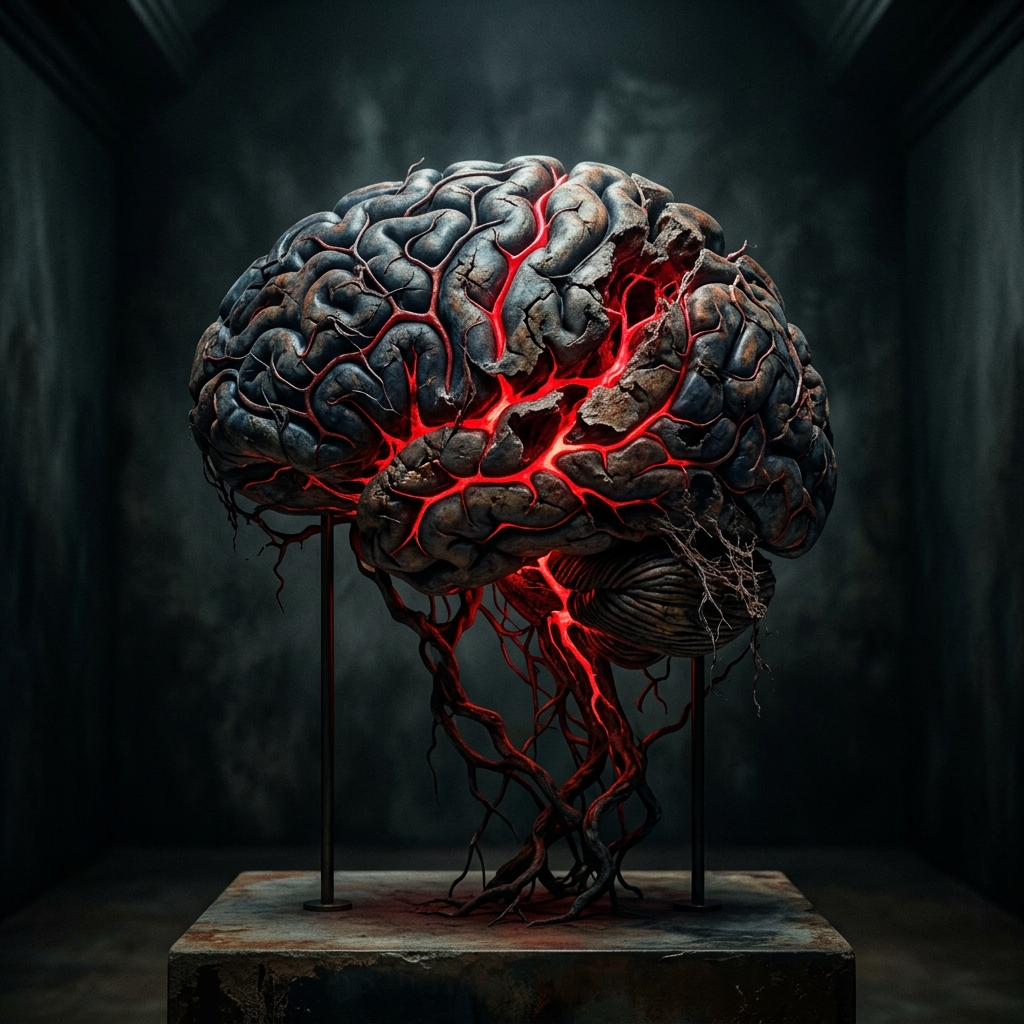
The Lasting Impact of Long-Term Drug Use on the Brain
The brain is a delicate, complex organ, orchestrating every thought, emotion, and movement we make. When drugs enter this finely tuned system repeatedly over a long period, they can cause profound and lasting changes. These changes alter how the brain functions, affecting memory, decision-making, impulse control, and even the very structure of its cells. The story of drug use and the brain is one of disruption and adaptation — a tale of how substances hijack the brain’s reward pathways and reshape neural circuits, often with devastating consequences.
Long-term drug use floods the brain with artificial surges of dopamine, the chemical messenger tied to pleasure and reward. Over time, this rewires the brain’s pathways, making natural rewards less satisfying and driving compulsive drug-seeking behavior. Beyond chemical imbalances, chronic drug use can physically shrink crucial brain regions like the prefrontal cortex and hippocampus, impairing judgment and memory. These changes not only fuel addiction but also make recovery a long, difficult journey. Yet, understanding these effects offers hope — in knowing the brain’s vulnerabilities, scientists and clinicians continue to find better ways to support healing and resilience.
✨
Wonder Moment
“Long after quitting, the brain of a former addict remains physically changed, making recovery a lifelong journey.”
Reflect
If the brain can be rewired by drugs, what other experiences shape our deepest habits and identities without us even realizing?
4 sources·Established confidence·Investigated 13 Jul 2026(1 month ago)·Source-verified·Investigation may be outdated
Your next question, in
Visual Trail
See The Lasting Impact of Long-Term Drug Use on the Brain
A guided visual explanation assembled from QE artwork and sourced documentary images.
01 / 02
QE visual interpretation
Frame 01
The Lasting Impact of Long-Term Drug Use on the Brain
Long-term drug use rewires the brain’s reward system, damages memory and decision areas, and fuels addiction.
Image provenance and limitation
Source: AI-generated visual interpretation
Creator: Question Everything
Limitation: This image explains or evokes the subject. It is not documentary evidence and should not be used to verify a factual claim.
Evidence
What do we know?
Verified claims with confidence scoring and cited sources.
1 of 5 findings need extra caution. Finding 5 rests on weaker sourcing than the other findings.
Living footnotes
Claims remain in the reading flow. Select a citation number to inspect the source behind it.
01
ObservationalSupported
Long-term drug use causes structural shrinkage in brain regions critical for decision-making and memory.
Chronic use of substances like opioids, cocaine, and methamphetamine can physically reduce the size of the prefrontal cortex and hippocampus. The prefrontal cortex governs rational thinking, impulse control, and decision-making, while the hippocampus is essential for forming new memories. Shrinkage in these areas impairs a person’s ability to regulate behavior and retain information, making it harder to resist cravings or learn new habits. Brain imaging studies have repeatedly shown these changes, linking them to the cognitive difficulties seen in long-term users.
02
ExperimentalSupported
Drugs artificially flood the brain's reward circuit with dopamine, leading to reduced natural pleasure and dependence on the substance.
Addictive drugs cause a surge of dopamine release in the brain’s reward pathway, far beyond what natural rewards provide. This intense stimulation tricks the brain into prioritizing drug use over other pleasurable activities. Over time, the brain adjusts by reducing its dopamine response, making everyday experiences less enjoyable. This change drives the person to seek the drug repeatedly to regain feelings of pleasure, creating a cycle of dependence and addiction that is difficult to break.
03
AcademicSupported
Long-term drug use changes connections between neurons, rewiring brain circuits involved in judgment, learning, and memory.
As drug use continues, the brain’s neural pathways adapt to the persistent presence of the substance. Connections between neurons in areas like the nucleus accumbens, part of the reward system, increase in size and strength, reinforcing compulsive drug-seeking behavior. Simultaneously, brain regions responsible for critical thinking and memory may lose connections or function abnormally. These structural and functional changes make drug use habitual and automatic, turning voluntary use into addiction.
04
AcademicSupported
Chronic drug abuse impairs executive functions such as working memory, decision-making, cognitive flexibility, and self-regulation.
Evidence from multiple studies shows that long-term drug use, including cannabis and psychostimulants, is linked to deficits in executive functions. These functions encompass abilities like planning, focusing attention, adapting to new situations, and controlling impulses. Impairments in these areas not only make it harder for individuals to quit using drugs but can also affect everyday life, reducing cognitive and behavioral flexibility.
05
ObservationalNot confirmed
Some drugs can cause brain cell death and permanent cognitive impairments.
Certain substances, such as inhalants and opioids, can be toxic to nerve cells, either killing them or severely damaging their function. Since neurons in many brain regions do not regenerate, this damage can lead to lasting problems with cognition, memory, and emotional regulation. Additionally, opioid overdose can cause hypoxia — a lack of oxygen to the brain — resulting in coma or permanent brain damage.
The complete record below preserves every citation, confidence input and recorded limitation.
Read the full evidence record5 findings · citations · limitations
Evidence review5 findings4 openable sources
01
Finding 1 of 5Observational
0/1 verified
Long-term drug use causes structural shrinkage in brain regions critical for decision-making and memory.
Chronic use of substances like opioids, cocaine, and methamphetamine can physically reduce the size of the prefrontal cortex and hippocampus. The prefrontal cortex governs rational thinking, impulse control, and decision-making, while the hippocampus is essential for forming new memories. Shrinkage in these areas impairs a person’s ability to regulate behavior and retain information, making it harder to resist cravings or learn new habits. Brain imaging studies have repeatedly shown these changes, linking them to the cognitive difficulties seen in long-term users.
Supportedmodel score 90%
One source, not peer-reviewed. Thinner than the score suggests.
REFERENCE
›View sources and limits— 1 citation, limits
Supporting passage
Chronic use of substances like opioids, cocaine, and methamphetamine can physically reduce the size of the prefrontal cortex and hippocampus. The prefrontal cortex governs rational thinking, impulse control, and decision-making, while the hippocampus is essential for forming new memories. Shrinkage in these areas impairs a person’s ability to regulate behavior and retain information, making it harder to resist cravings or learn new habits. Brain imaging studies have repeatedly shown these changes, linking them to the cognitive difficulties seen in long-term users.
Rests on a single source. No independent corroboration.
No peer-reviewed source among the citations.
The generator scored this 90%, which would read as “Established”. Its citations reach only “Supported”, so that is what is shown.
02
Finding 2 of 5Experimental
1
0/1 verified
Drugs artificially flood the brain's reward circuit with dopamine, leading to reduced natural pleasure and dependence on the substance.
Addictive drugs cause a surge of dopamine release in the brain’s reward pathway, far beyond what natural rewards provide. This intense stimulation tricks the brain into prioritizing drug use over other pleasurable activities. Over time, the brain adjusts by reducing its dopamine response, making everyday experiences less enjoyable. This change drives the person to seek the drug repeatedly to regain feelings of pleasure, creating a cycle of dependence and addiction that is difficult to break.
Supportedmodel score 95%
One source, not peer-reviewed. Thinner than the score suggests.
REFERENCE
›View sources and limits— 1 citation, limits
Supporting passage
Addictive drugs cause a surge of dopamine release in the brain’s reward pathway, far beyond what natural rewards provide. This intense stimulation tricks the brain into prioritizing drug use over other pleasurable activities. Over time, the brain adjusts by reducing its dopamine response, making everyday experiences less enjoyable. This change drives the person to seek the drug repeatedly to regain feelings of pleasure, creating a cycle of dependence and addiction that is difficult to break.
Rests on a single source. No independent corroboration.
No peer-reviewed source among the citations.
The generator scored this 95%, which would read as “Established”. Its citations reach only “Supported”, so that is what is shown.
03
Finding 3 of 5Academic
1
0/1 verified
Long-term drug use changes connections between neurons, rewiring brain circuits involved in judgment, learning, and memory.
As drug use continues, the brain’s neural pathways adapt to the persistent presence of the substance. Connections between neurons in areas like the nucleus accumbens, part of the reward system, increase in size and strength, reinforcing compulsive drug-seeking behavior. Simultaneously, brain regions responsible for critical thinking and memory may lose connections or function abnormally. These structural and functional changes make drug use habitual and automatic, turning voluntary use into addiction.
Supportedmodel score 95%
One source, not peer-reviewed. Thinner than the score suggests.
REFERENCE
›View sources and limits— 1 citation, limits
Supporting passage
As drug use continues, the brain’s neural pathways adapt to the persistent presence of the substance. Connections between neurons in areas like the nucleus accumbens, part of the reward system, increase in size and strength, reinforcing compulsive drug-seeking behavior. Simultaneously, brain regions responsible for critical thinking and memory may lose connections or function abnormally. These structural and functional changes make drug use habitual and automatic, turning voluntary use into addiction.
Rests on a single source. No independent corroboration.
No peer-reviewed source among the citations.
The generator scored this 95%, which would read as “Established”. Its citations reach only “Supported”, so that is what is shown.
04
Finding 4 of 5Academic
1
0/1 verified
Chronic drug abuse impairs executive functions such as working memory, decision-making, cognitive flexibility, and self-regulation.
Evidence from multiple studies shows that long-term drug use, including cannabis and psychostimulants, is linked to deficits in executive functions. These functions encompass abilities like planning, focusing attention, adapting to new situations, and controlling impulses. Impairments in these areas not only make it harder for individuals to quit using drugs but can also affect everyday life, reducing cognitive and behavioral flexibility.
Supportedmodel score 90%
One source, not peer-reviewed. Thinner than the score suggests.
REFERENCE
›View sources and limits— 1 citation, limits
Supporting passage
Evidence from multiple studies shows that long-term drug use, including cannabis and psychostimulants, is linked to deficits in executive functions. These functions encompass abilities like planning, focusing attention, adapting to new situations, and controlling impulses. Impairments in these areas not only make it harder for individuals to quit using drugs but can also affect everyday life, reducing cognitive and behavioral flexibility.
Rests on a single source. No independent corroboration.
No peer-reviewed source among the citations.
The generator scored this 90%, which would read as “Established”. Its citations reach only “Supported”, so that is what is shown.
05
Finding 5 of 5ObservationalNeeds caution
0/0 verified
Some drugs can cause brain cell death and permanent cognitive impairments.
Certain substances, such as inhalants and opioids, can be toxic to nerve cells, either killing them or severely damaging their function. Since neurons in many brain regions do not regenerate, this damage can lead to lasting problems with cognition, memory, and emotional regulation. Additionally, opioid overdose can cause hypoxia — a lack of oxygen to the brain — resulting in coma or permanent brain damage.
Not confirmedmodel score 30%
Scored as if sourced, but every citation failed verification.
NO SURVIVING CITATION
›View sources and limits— limits
Supporting passage
Certain substances, such as inhalants and opioids, can be toxic to nerve cells, either killing them or severely damaging their function. Since neurons in many brain regions do not regenerate, this damage can lead to lasting problems with cognition, memory, and emotional regulation. Additionally, opioid overdose can cause hypoxia — a lack of oxygen to the brain — resulting in coma or permanent brain damage.
Citations (0 of 1 survived verification)
Nothing openable. Every citation was removed by provenance validation.
What limits this
All 1 citation on this claim failed verification and were removed. Nothing openable supports it.
Interactive Exploration
Touch, drag, and discover
These visualizations respond to your curiosity. Interact to go deeper.
timeline
Progression of Brain Changes in Long-Term Drug Use
Loading timeline…
relationship map
Brain Areas Affected by Long-Term Drug Use
Mapping relationships…
Drag nodes to rearrange — tap for details
statistics card
Cognitive Deficits Linked to Chronic Drug Use
Up to 30%
Reduction in prefrontal cortex volume
Impairs judgment and impulse control
50-70%
Decrease in dopamine receptor availability
Leads to diminished natural reward sensitivity
60%
Increase in compulsive drug-seeking behaviors
Due to neural pathway strengthening
process flow
How Long-Term Drug Use Alters Brain Function
Drug Intake
Reward Circuit Activation
Neural Adaptation
Structural Brain Changes
Addiction Establishment
Perspectives
How is this interpreted?
Enter a viewpoint. Notice what it reveals, what it leaves out, and whether it changes the question for you.
The EmpiricistScientific viewpointLive tension
From a neuroscience perspective, addiction is a chronic brain disorder marked by changes in brain circuits that regulate reward, motivation, memory, and inhibitory control. These changes underlie the compulsive drug use and relapse seen in addiction. Scientists emphasize that while some brain changes may improve with abstinence, many persist, making addiction a lifelong challenge that requires ongoing management. This view drives research into treatments aiming to restore brain function or compensate for these deficits.
What this lens notices
01Neuroimaging shows structural and functional brain alterations in long-term users.
02Dopamine system dysregulation creates persistent cravings.
03Executive function impairments complicate behavior change and relapse prevention.
Application
Why does this matter to you?
Personal reflections and applications for your life.
Thought experimentSelf-Reflection
How might understanding the brain changes caused by drugs change your view of addiction?
Why it changes the question
Knowing that addiction is rooted in physical changes in the brain can increase empathy for those struggling with it. It shifts the narrative from blame to understanding, highlighting why quitting is so hard and why support is essential.
Try this
Try reading personal stories of recovery that explain these brain effects to deepen your perspective.
Media
QE Smart Glass
Curated media selected for this investigation.
QE Glass
YOUTUBE
Addiction I Full Documentary I NOVA I PBS
NOVA PBS Official
Official Website: https://to.pbs.org/3lxnr4s NOVA | PBS Hear firsthand from individuals struggling with opioid addiction and follow ...
QE Glass
YOUTUBE
What causes addiction, and why is it so hard to treat? - Judy Grisel
TED-Ed
Take a look at the science of how addictive drugs affect your body and why substance addiction can be so difficult to treat. -- As of ...
QE Glass
YOUTUBE
This Is What Happens to Your Brain on Opioids | Short Film Showcase
National Geographic
Driven by opioid addiction, drug overdose is now the leading cause of accidental death in the United States. ➡ Subscribe: ...
QE Glass
YOUTUBE
How Psychedelics Change the Brain
NOVA PBS Official
Psychedelics might interact with the brain by turning off the brain's default mode network and affecting a thin sheet of gray matter ...
QE Glass
YOUTUBE
How do drugs affect the brain? - Sara Garofalo
TED-Ed
View full lesson: http://ed.ted.com/lessons/how-do-drugs-affect-the-brain-sara-garofalo Most people will take a pill, receive an ...
QE Glass
YOUTUBE
Your Brain: Who's in Control? | Full Documentary | NOVA | PBS
NOVA PBS Official
Dive into the subconscious to see what's really driving the decisions you make. Official Website: https://to.pbs.org/3pUGv1s ...
QE Glass
YOUTUBE
What you need to know about internet addiction | Dr. Kimberly Young | TEDxBuffalo
TEDx Talks
This talk was given at a local TEDx event, produced independently of the TED Conferences. We are all a bit too connected to our ...
QE Glass
PODCAST
How to Increase Motivation and Drive
Huberman Lab
A neuroscientist explains how dopamine works, how drugs hijack it, and how to safely get your focus and joy back.
Connected context
Connected entities
The people, places, concepts, and events that matter here.
Keep Going
Where this leads
Questions this investigation opens up — and what QE has already looked into.
No AI help here — no suggestions, no autocomplete, nothing finishing your sentences. That is deliberate. Working out what you think is effortful, and the effort is the part that changes you: reasoning is trained like a muscle, and a muscle that is always carried gets weaker. Let something else do the thinking and you keep the answer but lose the capacity to have reached it.
Write your current position.
Not what the page says. What you think, having read it.0 words · Nothing written yet.
Sign in to leave a mark. Your draft is saved here in the meantime.