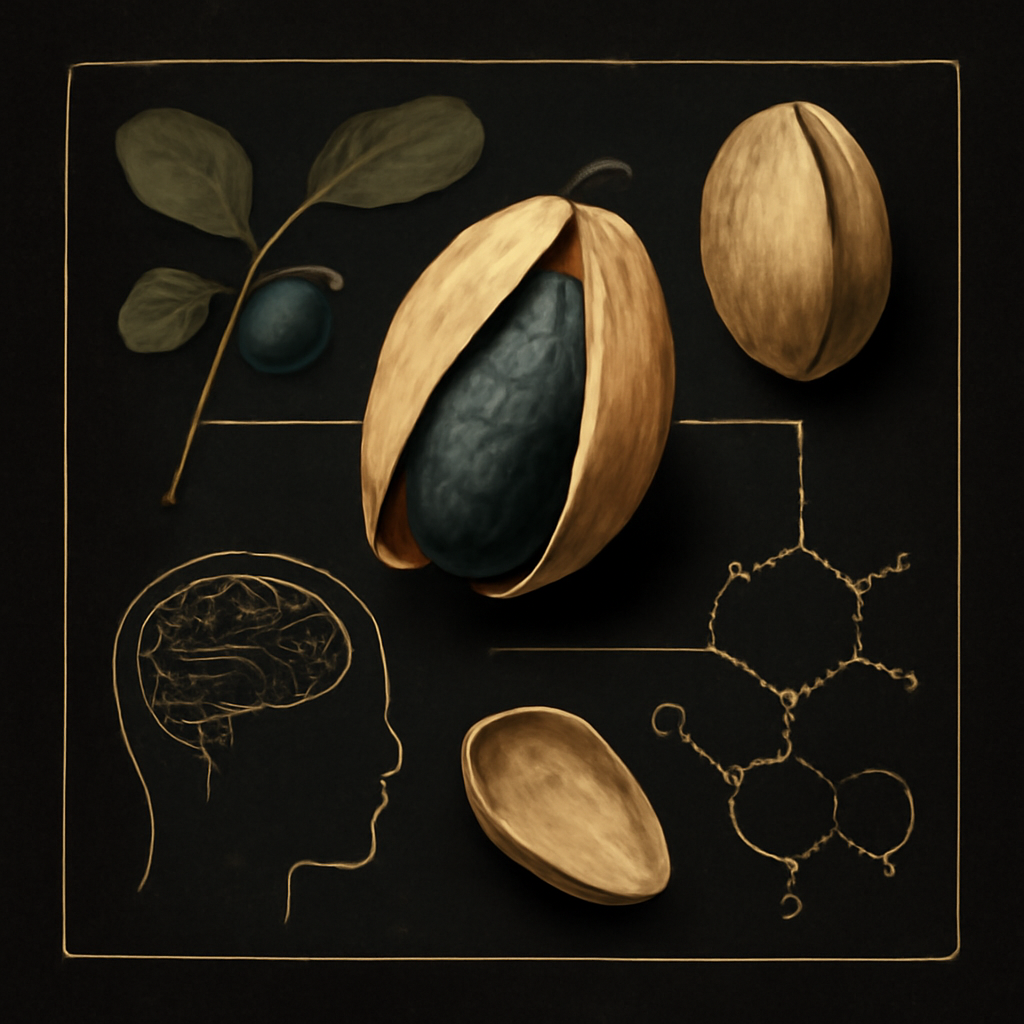
The Allure of Pistachios: Why Are They So Addictive?
Pistachios are more than just a tasty snack; they have a unique charm that keeps us reaching for more. Their addictive quality comes from a blend of sensory cues and clever design. The satisfying crack of their shells engages our hands and minds, making the eating experience interactive. This small ritual adds to the enjoyment, encouraging us to eat slower yet often more. Nutritionally, pistachios offer a rich mix of fats, protein, and fiber, which helps trigger pleasure centers in the brain, boosting the urge to snack.
But it’s not just about taste or nutrition. The salt often sprinkled on pistachios heightens flavor and stimulates reward pathways, making them even harder to resist. Evolutionarily, humans are wired to seek out energy-dense foods, and pistachios fit the bill perfectly. So, this tiny nut combines texture, flavor, and brain chemistry in a way that makes it delightfully hard to stop eating once you start.
✨
Wonder Moment
“Pistachios tap into our brains' reward system through a unique crunch-and-shell ritual that triggers dopamine release, making them surprisingly addictive.”
Reflect
What other everyday foods might secretly engage our brains like pistachios do, turning simple snacks into irresistible habits?
Preliminary confidence·Investigated 13 Aug 2026(14 days ago)·Source-verified·May need refresh
Your next question, in
Visual Trail
See The Allure of Pistachios: Why Are They So Addictive?
A guided visual explanation assembled from QE artwork and sourced documentary images.
01 / 02
QE visual interpretation
Frame 01
The Allure of Pistachios: Why Are They So Addictive?
Pistachios are addictive due to their interactive shells, rich nutrition, and salty flavor that trigger brain reward circuits.
Image provenance and limitation
Source: AI-generated visual interpretation
Creator: Question Everything
Limitation: This image explains or evokes the subject. It is not documentary evidence and should not be used to verify a factual claim.
Evidence
What do we know?
Verified claims with confidence scoring and cited sources.
Living footnotes
Claims remain in the reading flow. Select a citation number to inspect the source behind it.
01
ExperimentalNot confirmed
Pistachios contain fatty acids and proteins that stimulate dopamine release in the brain, which creates a pleasurable sensation.
Research shows that certain compounds in pistachios, including healthy fats and specific proteins, activate the brain’s dopamine pathways. This neurotransmitter is key to feeling reward and pleasure, which explains why eating pistachios can feel so satisfying and enjoyable, encouraging repeated consumption.
02
ObservationalNot confirmed
The act of cracking open pistachio shells slows down eating, enhancing satiety and reinforcing the snack's appeal.
The physical interaction required to open each pistachio shell makes the eating experience more engaging and mindful. This delay between bites leads to increased feelings of fullness and satisfaction, which may help regulate intake but also makes the process more rewarding and addictive on a sensory level.
03
AcademicNot confirmed
Pistachios are rich in nutrients like protein, fiber, and antioxidants, which contribute to their health benefits and make them a satisfying snack choice.
Besides their addictive crunch, pistachios provide a nutritional punch with high protein content, dietary fiber, and antioxidants such as lutein and zeaxanthin. These nutrients support heart health, blood sugar regulation, and eye health, making pistachios not only tasty but also a smart and wholesome snack.
The complete record below preserves every citation, confidence input and recorded limitation.
Read the full evidence record3 findings · citations · limitations
Evidence review3 findings0 openable sources
01
Finding 1 of 3Experimental
0
0/0 verified
Pistachios contain fatty acids and proteins that stimulate dopamine release in the brain, which creates a pleasurable sensation.
Research shows that certain compounds in pistachios, including healthy fats and specific proteins, activate the brain’s dopamine pathways. This neurotransmitter is key to feeling reward and pleasure, which explains why eating pistachios can feel so satisfying and enjoyable, encouraging repeated consumption.
Not confirmedmodel score 30%
Scored as if sourced, but every citation failed verification.
NO SURVIVING CITATION
›View sources and limits— limits
Supporting passage
Research shows that certain compounds in pistachios, including healthy fats and specific proteins, activate the brain’s dopamine pathways. This neurotransmitter is key to feeling reward and pleasure, which explains why eating pistachios can feel so satisfying and enjoyable, encouraging repeated consumption.
Citations (0 of 1 survived verification)
Nothing openable. Every citation was removed by provenance validation.
What limits this
All 1 citation on this claim failed verification and were removed. Nothing openable supports it.
02
Finding 2 of 3Observational
0/0 verified
The act of cracking open pistachio shells slows down eating, enhancing satiety and reinforcing the snack's appeal.
The physical interaction required to open each pistachio shell makes the eating experience more engaging and mindful. This delay between bites leads to increased feelings of fullness and satisfaction, which may help regulate intake but also makes the process more rewarding and addictive on a sensory level.
Not confirmedmodel score 30%
Scored as if sourced, but every citation failed verification.
NO SURVIVING CITATION
›View sources and limits— limits
Supporting passage
The physical interaction required to open each pistachio shell makes the eating experience more engaging and mindful. This delay between bites leads to increased feelings of fullness and satisfaction, which may help regulate intake but also makes the process more rewarding and addictive on a sensory level.
Citations (0 of 1 survived verification)
Nothing openable. Every citation was removed by provenance validation.
What limits this
All 1 citation on this claim failed verification and were removed. Nothing openable supports it.
03
Finding 3 of 3Academic
0
0/0 verified
Pistachios are rich in nutrients like protein, fiber, and antioxidants, which contribute to their health benefits and make them a satisfying snack choice.
Besides their addictive crunch, pistachios provide a nutritional punch with high protein content, dietary fiber, and antioxidants such as lutein and zeaxanthin. These nutrients support heart health, blood sugar regulation, and eye health, making pistachios not only tasty but also a smart and wholesome snack.
Not confirmedmodel score 30%
Scored as if sourced, but every citation failed verification.
NO SURVIVING CITATION
›View sources and limits— limits
Supporting passage
Besides their addictive crunch, pistachios provide a nutritional punch with high protein content, dietary fiber, and antioxidants such as lutein and zeaxanthin. These nutrients support heart health, blood sugar regulation, and eye health, making pistachios not only tasty but also a smart and wholesome snack.
Citations (0 of 1 survived verification)
Nothing openable. Every citation was removed by provenance validation.
What limits this
All 1 citation on this claim failed verification and were removed. Nothing openable supports it.
Interactive Exploration
Touch, drag, and discover
These visualizations respond to your curiosity. Interact to go deeper.
process flow
Why Pistachios Feel So Addictive: The Snacking Experience
Sensory Engagement
Dopamine Release
Increased Satiety
Reinforced Habit
statistics card
Key Nutritional Facts of Pistachios (per 1 oz / 28g)
6g
Protein
Supports muscle and satiety
3g
Dietary Fiber
Promotes digestion and fullness
28%
Vitamin B6 Daily Value
Regulates blood sugar and brain function
159
Calories
Moderate energy for a snack
Perspectives
How is this interpreted?
Enter a viewpoint. Notice what it reveals, what it leaves out, and whether it changes the question for you.
The EmpiricistScientific viewpointLive tension
From a biological standpoint, pistachios combine sensory stimulation with biochemical triggers in the brain. The shell-cracking engages tactile senses, while fats and proteins stimulate neural reward circuits. This blend of physical and chemical cues makes pistachios uniquely compelling as a snack, explaining their high palatability and addictive potential.
What this lens notices
01Dopamine release from eating pistachios
02Sensory feedback from cracking shells
03Nutrient density supporting satiety
Application
Why does this matter to you?
Personal reflections and applications for your life.
Thought experimentSelf-Reflection
Have you noticed how the act of eating pistachios makes you slow down and savor the moment?
Why it changes the question
Recognizing how the shell-cracking ritual encourages mindful eating can help you enjoy snacks more fully and avoid mindless overeating.
Try this
Try eating pistachios without rushing, focusing on the sound and feel of each shell as you crack it open.
Media
QE Smart Glass
Curated media selected for this investigation.
QE Glass
YOUTUBE
4 Big Benefits of Eating Pistachios
Dr. Eric Berg DC
Get access to my FREE resources https://drbrg.co/3RrHtNP Just so you know, my full line of high-quality supplements is ...
QE Glass
YOUTUBE
Are NUTS good for you ? | Dr Pal
Dr Pal
Nuts are a wonderful source of fiber and minerals but rich in calories - 10-15 nuts per day is the recommended limits.
No AI help here — no suggestions, no autocomplete, nothing finishing your sentences. That is deliberate. Working out what you think is effortful, and the effort is the part that changes you: reasoning is trained like a muscle, and a muscle that is always carried gets weaker. Let something else do the thinking and you keep the answer but lose the capacity to have reached it.
Write your current position.
Not what the page says. What you think, having read it.0 words · Nothing written yet.
Sign in to leave a mark. Your draft is saved here in the meantime.