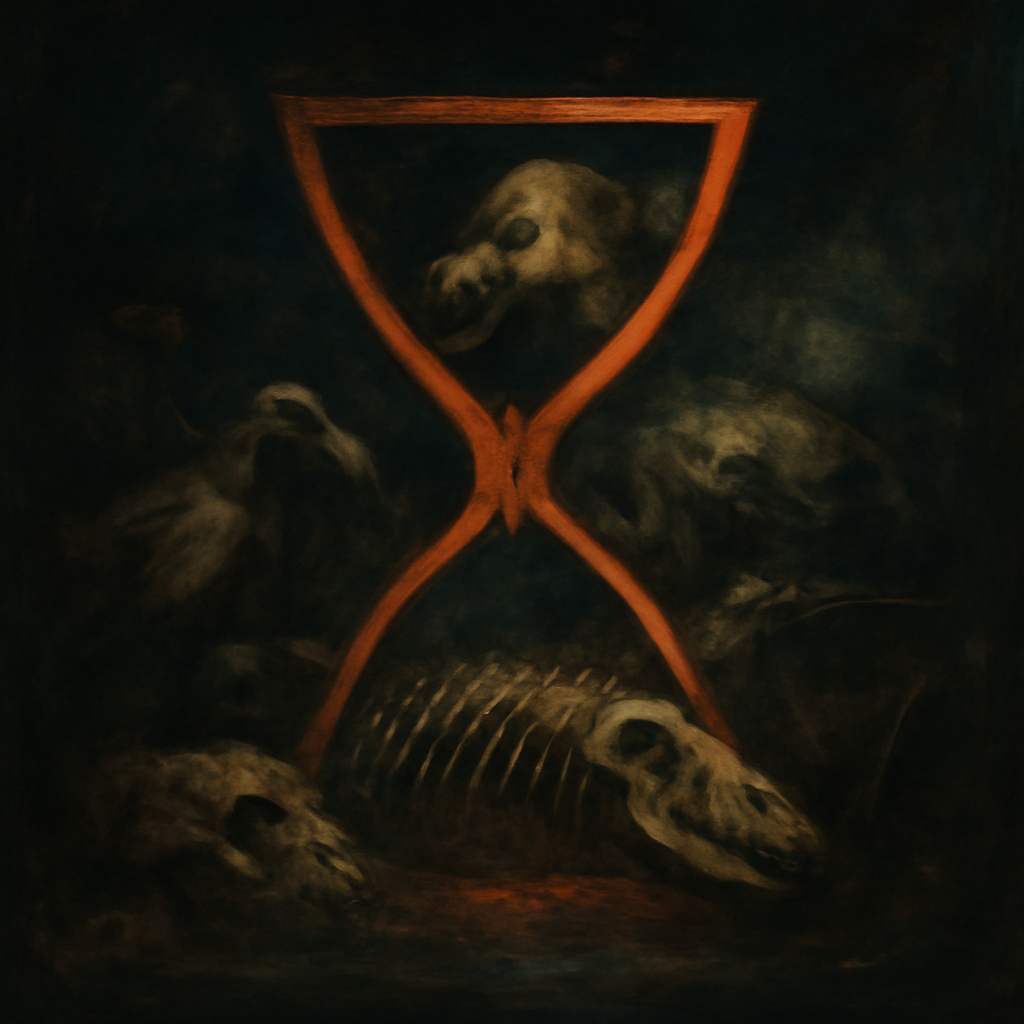
Across Earth's vast history, five great mass extinctions have dramatically reshaped life, wiping out massive swaths of species in relatively short geological bursts. Today, scientists increasingly warn that we are in the midst of a sixth mass extinction — but this time, the driving force is not an asteroid or volcanic cataclysm. It's us. Human activities have accelerated species loss to rates hundreds or even thousands of times higher than natural background levels. Habitats vanish, climate shifts rapidly, pollution spreads, and invasive species multiply, pushing countless plants and animals toward extinction.
This unfolding crisis is more than just losing individual species. Entire populations shrink, ecosystems weaken, and the intricate web of life that supports human civilization starts to unravel. Amphibians, mammals, birds, and many other groups face unprecedented threats. Yet, this moment also offers a chance. By understanding the causes and patterns of past mass extinctions, and recognizing our own impact, we may still steer away from the worst outcomes. The challenge is urgent, but hope remains if we act wisely and swiftly.
“Species are disappearing hundreds of times faster today than they would naturally, signaling a mass extinction driven by human hands.”
Reflect
If humanity is causing a mass extinction, how might our actions today shape the legacy of life millions of years from now?
Research·4 sources·Well-Established confidence·Investigated 21 Jul 2026(1 month ago)·Grounded; verification trace not recorded·Investigation may be outdated
Your next question, in
Visual Trail
See Are We Living Through a Sixth Mass Extinction?
A guided visual explanation assembled from QE artwork and sourced documentary images.
01 / 05
QE visual interpretation
Frame 01
Are We Living Through a Sixth Mass Extinction?
Human-driven species loss today signals we are in the midst of a sixth mass extinction.
Image provenance and limitation
Source: AI-generated visual interpretation
Creator: Question Everything
Limitation: This image explains or evokes the subject. It is not documentary evidence and should not be used to verify a factual claim.
Evidence
What do we know?
Verified claims with confidence scoring and cited sources.
Living footnotes
Claims remain in the reading flow. Select a citation number to inspect the source behind it.
01
StatisticalSupported
Current extinction rates are up to 100 times higher than natural background rates.
By comparing modern extinction rates with background rates derived from fossil records, scientists have found that vertebrate species are disappearing much faster than would be expected without human influence. This accelerated loss signals that a mass extinction event is already underway. The careful assessments consider stringent criteria for declaring species extinct, making these findings especially robust.
02
AcademicSupported
Amphibians are among the most threatened major groups, with one-third or more of species at risk.
Amphibians, including frogs, salamanders, and caecilians, are highly sensitive to environmental changes and have small geographic ranges, especially in tropical regions. This makes them particularly vulnerable to habitat loss, climate change, pollution, and diseases like chytridiomycosis, a fungal infection devastating populations worldwide. Their plight highlights the broader biodiversity crisis and serves as an early warning of ecosystem collapse.
03
ObservationalSupported
Population losses and range contractions in vertebrates reveal a severe biological annihilation beyond species extinctions.
Looking beyond outright species extinctions, studies show that many vertebrate species are losing large portions of their populations and geographic ranges. This widespread decline, termed biological annihilation, threatens ecosystem functions crucial for human societies. Even species considered of 'low concern' are experiencing dramatic declines, indicating a deep and systemic crisis in biodiversity.
04
HistoricalSupported
Human activities such as habitat destruction, pollution, and climate change are the primary drivers of the sixth mass extinction.
Unlike past mass extinctions triggered by natural catastrophes, the current biodiversity crisis stems from human actions. Urban expansion, deforestation, overfishing, introduction of invasive species, and greenhouse gas emissions are all altering Earth's ecosystems rapidly. These pressures disrupt the delicate balance species evolved with, pushing many beyond survival thresholds.
The complete record below preserves every citation, confidence input and recorded limitation.
Read the full evidence record4 findings · citations · limitations
Evidence review4 findings4 openable sources
01
Finding 1 of 4Statistical
0/1 verified
Current extinction rates are up to 100 times higher than natural background rates.
By comparing modern extinction rates with background rates derived from fossil records, scientists have found that vertebrate species are disappearing much faster than would be expected without human influence. This accelerated loss signals that a mass extinction event is already underway. The careful assessments consider stringent criteria for declaring species extinct, making these findings especially robust.
Supportedmodel score 95%
A single peer-reviewed source. No independent corroboration.
PRIMARY STUDY
›View sources and limits— 1 citation, limits
Supporting passage
By comparing modern extinction rates with background rates derived from fossil records, scientists have found that vertebrate species are disappearing much faster than would be expected without human influence. This accelerated loss signals that a mass extinction event is already underway. The careful assessments consider stringent criteria for declaring species extinct, making these findings especially robust.
Rests on a single source. No independent corroboration.
The generator scored this 95%, which would read as “Established”. Its citations reach only “Supported”, so that is what is shown.
02
Finding 2 of 4Academic
1
0/1 verified
Amphibians are among the most threatened major groups, with one-third or more of species at risk.
Amphibians, including frogs, salamanders, and caecilians, are highly sensitive to environmental changes and have small geographic ranges, especially in tropical regions. This makes them particularly vulnerable to habitat loss, climate change, pollution, and diseases like chytridiomycosis, a fungal infection devastating populations worldwide. Their plight highlights the broader biodiversity crisis and serves as an early warning of ecosystem collapse.
Supportedmodel score 90%
A single peer-reviewed source. No independent corroboration.
PRIMARY STUDY
›View sources and limits— 1 citation, limits
Supporting passage
Amphibians, including frogs, salamanders, and caecilians, are highly sensitive to environmental changes and have small geographic ranges, especially in tropical regions. This makes them particularly vulnerable to habitat loss, climate change, pollution, and diseases like chytridiomycosis, a fungal infection devastating populations worldwide. Their plight highlights the broader biodiversity crisis and serves as an early warning of ecosystem collapse.
Rests on a single source. No independent corroboration.
The generator scored this 90%, which would read as “Established”. Its citations reach only “Supported”, so that is what is shown.
03
Finding 3 of 4Observational
0/1 verified
Population losses and range contractions in vertebrates reveal a severe biological annihilation beyond species extinctions.
Looking beyond outright species extinctions, studies show that many vertebrate species are losing large portions of their populations and geographic ranges. This widespread decline, termed biological annihilation, threatens ecosystem functions crucial for human societies. Even species considered of 'low concern' are experiencing dramatic declines, indicating a deep and systemic crisis in biodiversity.
Supportedmodel score 90%
A single peer-reviewed source. No independent corroboration.
PRIMARY STUDY
›View sources and limits— 1 citation, limits
Supporting passage
Looking beyond outright species extinctions, studies show that many vertebrate species are losing large portions of their populations and geographic ranges. This widespread decline, termed biological annihilation, threatens ecosystem functions crucial for human societies. Even species considered of 'low concern' are experiencing dramatic declines, indicating a deep and systemic crisis in biodiversity.
Rests on a single source. No independent corroboration.
The generator scored this 90%, which would read as “Established”. Its citations reach only “Supported”, so that is what is shown.
04
Finding 4 of 4Historical
0/1 verified
Human activities such as habitat destruction, pollution, and climate change are the primary drivers of the sixth mass extinction.
Unlike past mass extinctions triggered by natural catastrophes, the current biodiversity crisis stems from human actions. Urban expansion, deforestation, overfishing, introduction of invasive species, and greenhouse gas emissions are all altering Earth's ecosystems rapidly. These pressures disrupt the delicate balance species evolved with, pushing many beyond survival thresholds.
Supportedmodel score 95%
One source, not peer-reviewed. Thinner than the score suggests.
REFERENCE
›View sources and limits— 1 citation, limits
Supporting passage
Unlike past mass extinctions triggered by natural catastrophes, the current biodiversity crisis stems from human actions. Urban expansion, deforestation, overfishing, introduction of invasive species, and greenhouse gas emissions are all altering Earth's ecosystems rapidly. These pressures disrupt the delicate balance species evolved with, pushing many beyond survival thresholds.
Rests on a single source. No independent corroboration.
No peer-reviewed source among the citations.
The generator scored this 95%, which would read as “Established”. Its citations reach only “Supported”, so that is what is shown.
Interactive Exploration
Touch, drag, and discover
These visualizations respond to your curiosity. Interact to go deeper.
timeline
History of Earth's Mass Extinctions
Loading timeline…
statistics card
Key Biodiversity Loss Figures
100x
Higher extinction rate
Current extinction rates are up to 100 times above natural background levels.
1/3
Threatened amphibian species
One-third or more of amphibian species face extinction risks.
32%
Declining vertebrate species
Nearly one-third of vertebrates show decreasing populations and ranges.
75%
Species loss threshold
Mass extinctions typically involve loss of about 75% of species in a short time.
cause effect
Causes and Effects of the Sixth Mass Extinction
Causes — tap to reveal
Tap to reveal cause 1
Tap to reveal cause 2
Tap to reveal cause 3
Tap to reveal cause 4
↓
relationship map
Interconnected Drivers of Biodiversity Loss
Mapping relationships…
Drag nodes to rearrange — tap for details
Visual Gallery
Images & artifacts
Historical images, diagrams, and visual knowledge from Wikimedia Commons.
Perspectives
How is this interpreted?
Enter a viewpoint. Notice what it reveals, what it leaves out, and whether it changes the question for you.
The EmpiricistScientific viewpointEstablished lens
Scientists use fossil records and modern biodiversity surveys to compare extinction rates over millions of years. The evidence is clear: the current extinction rates far exceed natural background rates. This accelerated loss endangers ecosystems that provide humans with vital services like clean air, water, and food. Research focuses not just on species extinctions but also on population declines, which foretell even deeper ecological consequences. Conservation efforts aim to slow or reverse these trends, but time is running out.
What this lens notices
01Extinction rates are orders of magnitude above natural levels.
02Amphibians and many vertebrates show alarming population declines.
03Human-driven environmental changes are the main causes.
Application
Why does this matter to you?
Personal reflections and applications for your life.
Thought experimentSelf-Reflection
How do your daily choices impact biodiversity and the natural world?
Why it changes the question
Understanding that the extinction crisis is linked to human actions invites us to reflect on how we consume resources, travel, and support conservation. Small choices, when multiplied by millions, can either harm or help Earth's ecosystems.
Try this
Try reducing single-use plastics, supporting local conservation projects, or learning about native species in your area.
Media
QE Smart Glass
Curated media selected for this investigation.
QE Glass
YOUTUBE
Conservation Biology: Sixth Mass Extinction?: Crash Course Biology #10
CrashCourse
Some scientists believe we are in the middle of Earth's sixth mass extinction: a big, precarious game of Jenga that involves every ...
QE Glass
YOUTUBE
Earth currently experiencing a sixth mass extinction, according to scientists | 60 Minutes
60 Minutes
Leading biologist tells Scott Pelley humans would need “five more Earths” to maintain our current way of life. #60Minutes #News ...
QE Glass
YOUTUBE
Earth currently experiencing a sixth mass extinction, according to scientists | 60 Minutes
60 Minutes
Leading biologist tells Scott Pelley humans would need “five more Earths” to maintain our current way of life. #60Minutes #News ...
QE Glass
YOUTUBE
5 Mass Extinctions, and We're Looking at the Sixth
BRIGHT SIDE
Credit: NASA / Donald E. Davis CC BY 2.0, https://creativecommons.org/licenses/by/2.0/: James St. John: Diorama ...
QE Glass
YOUTUBE
5 Mass Extinctions, and We're Looking at the Sixth
BRIGHT SIDE
Credit: NASA / Donald E. Davis CC BY 2.0, https://creativecommons.org/licenses/by/2.0/: James St. John: Diorama ...
QE Glass
YOUTUBE
Are we on the verge of the sixth mass extinction? A new study challenges what we thought we knew.
Money Explainers
New research reveals that the current extinction rate doesn't come close to what defines a mass extinction. Does this mean Earth ...
QE Glass
YOUTUBE
Are we on the verge of the sixth mass extinction? A new study challenges what we thought we knew.
Money Explainers
New research reveals that the current extinction rate doesn't come close to what defines a mass extinction. Does this mean Earth ...
QE Glass
YOUTUBE
The Sixth Mass Extinction: Who Will Rule Earth After Humanity’s Fall? 🌍
The Thought Experiment
The Sixth Mass Extinction may already be happening — but what if humans disappeared from Earth tomorrow? In this ...
QE Glass
YOUTUBE
How Many Mass Extinctions Were There? Beyond the Big Five
Nick Longrich Evolution and Paleontology
Historically, paleontologists recognized five major mass extinctions, but just how many extinction events were there? A lot. First, as ...
QE Glass
YOUTUBE
The Sixth Extinction (full documentary)
New Atlantis Full Documentaries
Throughout the history of evolution, five major catastrophes have shaken the earth's surface. After them life had to reorganize from ...
QE Glass
YOUTUBE
Are We Living In the Sixth Extinction?
Be Smart
This time, we're the asteroid. Viewers like you help make PBS (Thank you ) . Support your local PBS Member Station here: ...
QE Glass
PODCAST
Science Vs – The Sixth Mass Extinction
Science Vs
A podcast episode investigating whether humans are driving a mass extinction and what it means for our future.
QE Glass
PODCAST
Ologies – Extinction Ecology
Ologies with Alie Ward
A deep dive into extinction ecology and the ongoing threats to Earth's biodiversity.
Connected context
Connected entities
The people, places, concepts, and events that matter here.
Keep Going
Where this leads
Questions this investigation opens up — and what QE has already looked into.
No AI help here — no suggestions, no autocomplete, nothing finishing your sentences. That is deliberate. Working out what you think is effortful, and the effort is the part that changes you: reasoning is trained like a muscle, and a muscle that is always carried gets weaker. Let something else do the thinking and you keep the answer but lose the capacity to have reached it.
Write your current position.
Not what the page says. What you think, having read it.0 words · Nothing written yet.
Sign in to leave a mark. Your draft is saved here in the meantime.