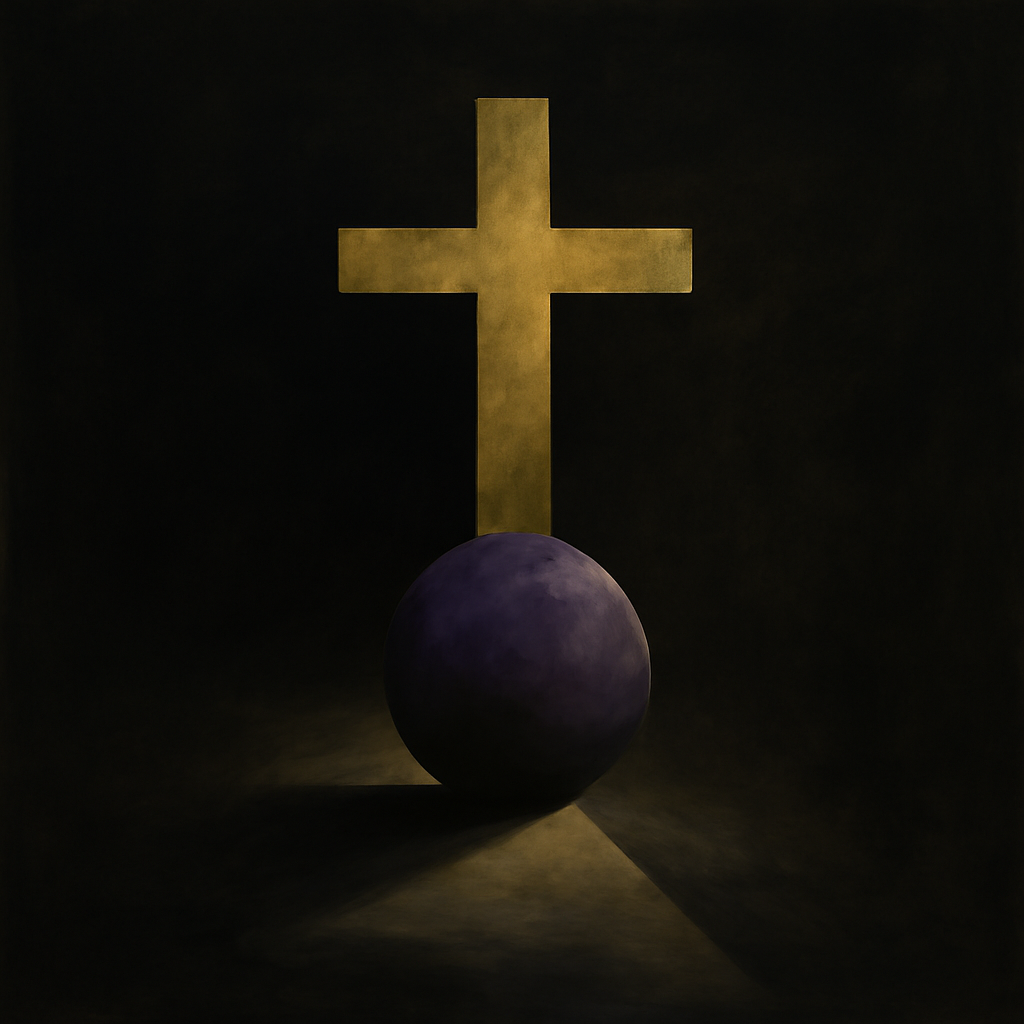
Jesus in the Theology of Jehovah's Witnesses: A Distinct Acknowledgment
In the vast mosaic of global faiths, the figure of Jesus of Nazareth holds a central, yet remarkably diverse, set of interpretations. For billions, he is the divine Son of God, part of a co-equal Trinity. But for Jehovah's Witnesses, a distinct Christian denomination, Jesus is undeniably acknowledged, revered, and central to salvation – though their understanding of his nature profoundly diverges from mainstream Christian dogma.
This knowledge page will journey into the specific tenets of Jehovah's Witnesses, revealing how they interpret biblical texts to form a unique Christology. We will explore their conviction that Jesus is God's first creation, the archangel Michael in his pre-human existence, and the means through which God's purpose for humanity will be fulfilled. Understanding these differences is not merely an academic exercise; it offers a window into the rich tapestry of theological thought and the enduring human quest to define the divine.
✨
Wonder Moment
“Despite sharing the same sacred texts, Jehovah's Witnesses and mainstream Christians arrive at fundamentally different conclusions about Jesus's divine nature, revealing the profound impact of interpretative lens on ultimate truth.”
Reflect
If foundational religious texts can be interpreted in such divergent ways by sincere seekers, what does this imply about the certainty of any interpretation, and how might this shape our approach to dialogue across belief systems?
5 sources·Established confidence·Investigated 20 Jun 2026(2 months ago)·Investigation may be outdated
Your next question, in
Visual Trail
See Jesus in the Theology of Jehovah's Witnesses: A Distinct Acknowledgment
A guided visual explanation assembled from QE artwork and sourced documentary images.
01 / 02
QE visual interpretation
Frame 01
Jesus in the Theology of Jehovah's Witnesses: A Distinct Acknowledgment
Jehovah's Witnesses acknowledge Jesus as God's Son and the Messiah, but not as part of a co-equal Trinity.
Image provenance and limitation
Source: AI-generated visual interpretation
Creator: Question Everything
Limitation: This image explains or evokes the subject. It is not documentary evidence and should not be used to verify a factual claim.
Evidence
What do we know?
Verified claims with confidence scoring and cited sources.
Generated without source retrieval. QE did not fetch sources for this investigation, so no citation here was checked against a retrieved set. Claims reflect the model’s training data.
Living footnotes
Claims remain in the reading flow. Select a citation number to inspect the source behind it.
01
AcademicSupported
Jehovah's Witnesses believe Jesus is God's Son and the Messiah, but not God Almighty himself, nor part of a co-equal Trinity.
Jehovah's Witnesses hold that Jesus is the Son of God, a distinct and subordinate entity to Jehovah (God the Father). They teach that Jesus was God's first creation, the 'firstborn of all creation,' and thus had a beginning, unlike the eternal Father. They identify Jesus, in his pre-human existence, as Michael the Archangel. This stands in stark contrast to the Trinitarian doctrine, which posits Jesus as co-eternal and co-equal with God the Father and the Holy Spirit, forming one God in three persons. For Jehovah's Witnesses, the concept of a Trinity is considered unscriptural and pagan in origin.
02
HistoricalSupported
Jehovah's Witnesses believe Jesus died on a torture stake, not a cross.
A distinctive aspect of Jehovah's Witnesses' belief is their interpretation of the instrument of Jesus's execution. They contend that Jesus died on a simple upright stake, often referred to as a 'torture stake,' rather than the traditional two-beamed cross. Their reasoning is rooted in linguistic analysis of the original Greek term 'stauros,' which they believe primarily referred to an upright pole. They argue that the cross symbol's adoption into Christianity occurred much later and has pagan origins, making its use inappropriate for worship.
03
AcademicSupported
Jesus's sacrifice is central to Jehovah's Witnesses' understanding of salvation and atonement for sins.
Despite their differing Christology, Jehovah's Witnesses place immense importance on Jesus's sacrificial death. They believe that Jesus's perfect human life, given in sacrifice, serves as a 'ransom' to redeem humanity from inherited sin and death, a consequence of Adam's disobedience. This ransom provision makes it possible for obedient humans to gain eternal life, either in heaven (for a limited number, the 144,000) or on a paradise earth (for the 'great crowd'). His resurrection is also seen as crucial, demonstrating God's acceptance of the sacrifice and Jesus's authority to rule as King.
04
AcademicSupported
Jehovah's Witnesses believe Jesus was resurrected as an immortal spirit being, not in the same physical body that died.
For Jehovah's Witnesses, Jesus's resurrection was a transformation from a physical human body to an immortal spirit body. They argue that Jesus's appearances to his disciples after his resurrection were accomplished by him materializing temporary human bodies, similar to how angels appeared to humans in the Hebrew Scriptures. The original human body of Jesus, according to their belief, was supernaturally disposed of by God. This contrasts with many mainstream Christian views that emphasize a physical, yet glorified, resurrection of Jesus's body.
The complete record below preserves every citation, confidence input and recorded limitation.
Read the full evidence record4 findings · citations · limitations
Evidence review4 findings5 openable sources
01
Finding 1 of 4Academic
2
0/2 verified
Jehovah's Witnesses believe Jesus is God's Son and the Messiah, but not God Almighty himself, nor part of a co-equal Trinity.
Jehovah's Witnesses hold that Jesus is the Son of God, a distinct and subordinate entity to Jehovah (God the Father). They teach that Jesus was God's first creation, the 'firstborn of all creation,' and thus had a beginning, unlike the eternal Father. They identify Jesus, in his pre-human existence, as Michael the Archangel. This stands in stark contrast to the Trinitarian doctrine, which posits Jesus as co-eternal and co-equal with God the Father and the Holy Spirit, forming one God in three persons. For Jehovah's Witnesses, the concept of a Trinity is considered unscriptural and pagan in origin.
Supportedmodel score 98%
2 sources agree, none peer-reviewed.
REFERENCEREPORTING
›View sources and limits— 2 citations, limits
Supporting passage
Jehovah's Witnesses hold that Jesus is the Son of God, a distinct and subordinate entity to Jehovah (God the Father). They teach that Jesus was God's first creation, the 'firstborn of all creation,' and thus had a beginning, unlike the eternal Father. They identify Jesus, in his pre-human existence, as Michael the Archangel. This stands in stark contrast to the Trinitarian doctrine, which posits Jesus as co-eternal and co-equal with God the Father and the Holy Spirit, forming one God in three persons. For Jehovah's Witnesses, the concept of a Trinity is considered unscriptural and pagan in origin.
Generated without source retrieval — citations here were not verified against a retrieved set.
No peer-reviewed source among the citations.
The generator scored this 98%, which would read as “Established”. Its citations reach only “Supported”, so that is what is shown.
02
Finding 2 of 4Historical
0/1 verified
Jehovah's Witnesses believe Jesus died on a torture stake, not a cross.
A distinctive aspect of Jehovah's Witnesses' belief is their interpretation of the instrument of Jesus's execution. They contend that Jesus died on a simple upright stake, often referred to as a 'torture stake,' rather than the traditional two-beamed cross. Their reasoning is rooted in linguistic analysis of the original Greek term 'stauros,' which they believe primarily referred to an upright pole. They argue that the cross symbol's adoption into Christianity occurred much later and has pagan origins, making its use inappropriate for worship.
Supportedmodel score 95%
One source, not peer-reviewed. Thinner than the score suggests.
REFERENCE
›View sources and limits— 1 citation, limits
Supporting passage
A distinctive aspect of Jehovah's Witnesses' belief is their interpretation of the instrument of Jesus's execution. They contend that Jesus died on a simple upright stake, often referred to as a 'torture stake,' rather than the traditional two-beamed cross. Their reasoning is rooted in linguistic analysis of the original Greek term 'stauros,' which they believe primarily referred to an upright pole. They argue that the cross symbol's adoption into Christianity occurred much later and has pagan origins, making its use inappropriate for worship.
Generated without source retrieval — citations here were not verified against a retrieved set.
1 of 2 citations failed verification and are not shown.
Rests on a single source. No independent corroboration.
No peer-reviewed source among the citations.
The generator scored this 95%, which would read as “Established”. Its citations reach only “Supported”, so that is what is shown.
03
Finding 3 of 4Academic
1
0/1 verified
Jesus's sacrifice is central to Jehovah's Witnesses' understanding of salvation and atonement for sins.
Despite their differing Christology, Jehovah's Witnesses place immense importance on Jesus's sacrificial death. They believe that Jesus's perfect human life, given in sacrifice, serves as a 'ransom' to redeem humanity from inherited sin and death, a consequence of Adam's disobedience. This ransom provision makes it possible for obedient humans to gain eternal life, either in heaven (for a limited number, the 144,000) or on a paradise earth (for the 'great crowd'). His resurrection is also seen as crucial, demonstrating God's acceptance of the sacrifice and Jesus's authority to rule as King.
Supportedmodel score 97%
One source, not peer-reviewed. Thinner than the score suggests.
REFERENCE
›View sources and limits— 1 citation, limits
Supporting passage
Despite their differing Christology, Jehovah's Witnesses place immense importance on Jesus's sacrificial death. They believe that Jesus's perfect human life, given in sacrifice, serves as a 'ransom' to redeem humanity from inherited sin and death, a consequence of Adam's disobedience. This ransom provision makes it possible for obedient humans to gain eternal life, either in heaven (for a limited number, the 144,000) or on a paradise earth (for the 'great crowd'). His resurrection is also seen as crucial, demonstrating God's acceptance of the sacrifice and Jesus's authority to rule as King.
Generated without source retrieval — citations here were not verified against a retrieved set.
1 of 2 citations failed verification and are not shown.
Rests on a single source. No independent corroboration.
No peer-reviewed source among the citations.
The generator scored this 97%, which would read as “Established”. Its citations reach only “Supported”, so that is what is shown.
04
Finding 4 of 4Academic
1
0/1 verified
Jehovah's Witnesses believe Jesus was resurrected as an immortal spirit being, not in the same physical body that died.
For Jehovah's Witnesses, Jesus's resurrection was a transformation from a physical human body to an immortal spirit body. They argue that Jesus's appearances to his disciples after his resurrection were accomplished by him materializing temporary human bodies, similar to how angels appeared to humans in the Hebrew Scriptures. The original human body of Jesus, according to their belief, was supernaturally disposed of by God. This contrasts with many mainstream Christian views that emphasize a physical, yet glorified, resurrection of Jesus's body.
Supportedmodel score 96%
One source, not peer-reviewed. Thinner than the score suggests.
REFERENCE
›View sources and limits— 1 citation, limits
Supporting passage
For Jehovah's Witnesses, Jesus's resurrection was a transformation from a physical human body to an immortal spirit body. They argue that Jesus's appearances to his disciples after his resurrection were accomplished by him materializing temporary human bodies, similar to how angels appeared to humans in the Hebrew Scriptures. The original human body of Jesus, according to their belief, was supernaturally disposed of by God. This contrasts with many mainstream Christian views that emphasize a physical, yet glorified, resurrection of Jesus's body.
Generated without source retrieval — citations here were not verified against a retrieved set.
1 of 2 citations failed verification and are not shown.
Rests on a single source. No independent corroboration.
No peer-reviewed source among the citations.
The generator scored this 96%, which would read as “Established”. Its citations reach only “Supported”, so that is what is shown.
Interactive Exploration
Touch, drag, and discover
These visualizations respond to your curiosity. Interact to go deeper.
comparison table
Jesus: Jehovah's Witness vs. Mainstream Christian Views
Jehovah's Witnesses' View
Mainstream Christian View
Nature
Son of God, God's first creation, pre-human Michael the Archangel
Second Person of the Trinity, fully God and fully human, co-eternal with Father
Relationship to God
Subordinate to Jehovah (God the Father)
Co-equal and co-eternal with God the Father
Instrument of Death
Torture stake
Cross
Resurrection Body
Immortal spirit body (physical body disposed of)
Physical, glorified body
Worship
Worship God (Jehovah) through Jesus
Worship Jesus as God
Tap any row to highlight and compare
hierarchy
Jehovah's Witnesses' View of Divine Authority
Building hierarchy…
Tap nodes to explore the hierarchy
spectrum
Spectrum of Christological Interpretations
Subordinate/Created Being (Arianism, JW)Co-Equal/Co-Eternal Divine (Orthodox Trinity)
5%
Adoptionism
20%
Jehovah's Witnesses
30%
Arianism
60%
Homoiousianism
90%
Homoousianism (Nicene Orthodoxy)
statistics card
Global Presence of Jehovah's Witnesses
8.6 million+
Active Publishers (Members)
Engaged in door-to-door ministry and other forms of evangelism worldwide (2023).
240+
Countries and Territories
Indicating a significant global reach and missionary effort.
Perspectives
How is this interpreted?
Enter a viewpoint. Notice what it reveals, what it leaves out, and whether it changes the question for you.
The Questionertheological viewpointProvocation
From the perspective of Jehovah's Witnesses, Jesus is the cornerstone of God's purpose, but always in a subordinate role to Jehovah God. They emphasize monotheism strictly, believing that the Father alone is the Almighty God. Jesus is seen as God's foremost agent, the one through whom all other things were created, and the King of God's heavenly Kingdom. He is the pre-eminent Son, but still a distinct being created by God, rather than co-eternal or co-equal. This view stems from their unique interpretation of scriptures, particularly verses that describe Jesus's submission to the Father or references to him as 'the firstborn of all creation.'
What this lens notices
01Scriptural interpretation emphasizing Jesus as 'firstborn of all creation' (Colossians 1:15).
02Passages where Jesus states 'the Father is greater than I' (John 14:28).
03Rejection of the term 'Trinity' as non-biblical.
Application
Why does this matter to you?
Personal reflections and applications for your life.
Thought experimentSelf-Reflection
How do your personal beliefs about religious figures compare with widely accepted or alternative interpretations?
Why it changes the question
Understanding the nuances of how different groups interpret fundamental religious figures, like Jesus, can illuminate the foundations of your own belief system. It prompts a deeper examination of the sources, reasoning, and traditions that shape your perspective, fostering intellectual humility and a clearer understanding of your own spiritual or philosophical commitments.
Try this
Research a religious figure you are familiar with from a perspective that significantly differs from your own. Note the specific textual or historical evidence they prioritize.
Media
QE Smart Glass
Curated media selected for this investigation.
QE Glass
YOUTUBE
What is Mormonism? | Crazy Mormon Beliefs
Illustrated Theology
Even though they hold beliefs considered strange by Christians, Mormons have been growing significantly worldwide, so it's very ...
QE Glass
YOUTUBE
WHAT IS THE MATRIX?: THE TRUTH ABOUT THIS WORLD
Truthunedited
SUBSCRIBE: https://www.youtube.com/c/Truthunedited DONATE: www.truthunedited.com/donate Your support is greatly ...
QE Glass
YOUTUBE
Jehovah's Witnesses Explained | What do Jehovah's Witnesses Believe? Who is Charles Taze Russell?
Illustrate to Educate
You may have heard of Jehovah's Witnesses, but what exactly do they believe in? Hey, It's Dan Zimmerman, welcome back to ...
QE Glass
YOUTUBE
The Jehovah's Witnesses Religion Quickly Explained and Refuted
Mike Winger
This is one of several clips I will be uploading from a collab I did with Allen Parr evaluating a few different religious groups in light ...
QE Glass
YOUTUBE
Mormon Religion in a nutshell - John MacArthur
Apologetics - Jude 1:3
John MacArthur - Mormon Religion in a nutshell. John MacArthur explains the core differences between traditional Bible-based ...
QE Glass
YOUTUBE
Top Scientist Explains WHAT Convinced Him Of JESUS (Powerful 19 Minutes!)
Daily Dose Of Wisdom
In this video, Francis Collins—like him or not—presents a thoughtful and compelling case for belief in God, and specifically, ...
QE Glass
YOUTUBE
Jehovah's Witnesses: A General Overview (though Kurzgesagt doesn't have one specifically, a similar style overview would be ideal)
Similar to Kurzgesagt – In a Nutshell or TED-Ed
A visually engaging and concise animated overview of Jehovah's Witnesses' key beliefs, including their Christology, suitable for a general audience.
QE Glass
YOUTUBE
The Trinity: Explained (and why it's controversial)
BibleProject or The Ten Minute Bible Hour
An accessible explanation of the Trinitarian doctrine and how it contrasts with non-Trinitarian views, providing context for the JW perspective.
QE Glass
PODCAST
Cultology (CULTS) with Dr. Janja Lalich
Ologies with Alie Ward
While not exclusively about JWs, episodes from podcasts like Ologies that discuss new religious movements or cults (from a sociological perspective) can offer insights into how groups like JWs are studied and categorized, including their unique doctrines.
Connected context
Connected entities
The people, places, concepts, and events that matter here.
Keep Going
Where this leads
Questions this investigation opens up — and what QE has already looked into.
No AI help here — no suggestions, no autocomplete, nothing finishing your sentences. That is deliberate. Working out what you think is effortful, and the effort is the part that changes you: reasoning is trained like a muscle, and a muscle that is always carried gets weaker. Let something else do the thinking and you keep the answer but lose the capacity to have reached it.
Write your current position.
Not what the page says. What you think, having read it.0 words · Nothing written yet.
Sign in to leave a mark. Your draft is saved here in the meantime.