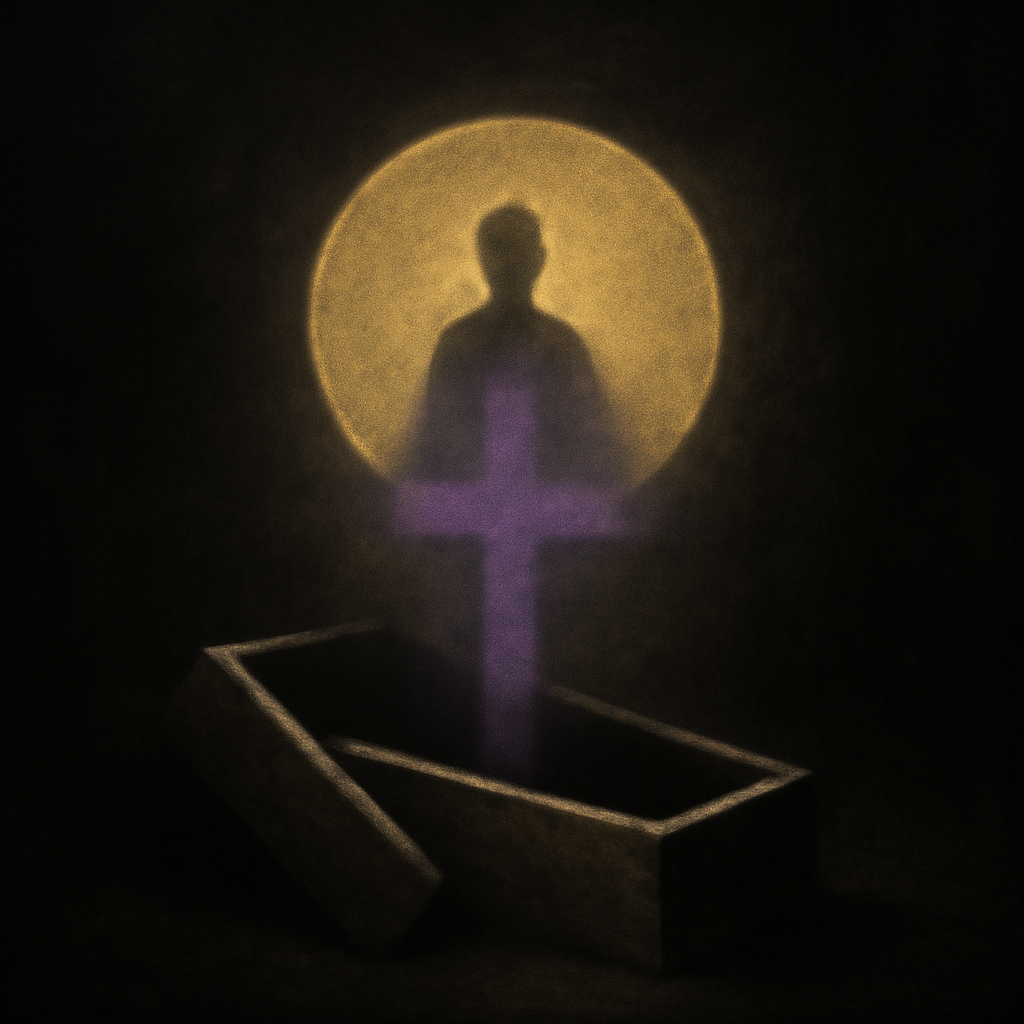
The Anatomy of Resurrection: Biblical Eschatology and the Universalist Tension
The biblical text actually rejects the idea that everyone who dies will inherit God's kingdom. Instead, it presents a far more polarizing event: a universal bodily resurrection followed by a strict sorting process. The foundational Hebrew scripture in Daniel 12:2 and the Gospel of John both outline a dual destiny. Everyone wakes up. But they do not wake up to the same fate. Some rise to eternal life, while others face judgment and exclusion.
Universalist theologians often point to the Apostle Paul, who wrote that "in Christ all will be made alive." Yet, most scholars read this through a restrictive covenantal lens. Paul likely meant "all who are in Christ," not every human who ever lived. The Book of Revelation solidifies this division, depicting the resurrected dead judged by their deeds. The Bible promises that everyone will rise, but it warns that the Kingdom itself remains exclusive.
“The Bible never actually says that everyone who dies goes straight to heaven; instead, it describes the dead as sleeping in their graves, waiting for a physical awakening that leads to two completely different destinies.”
Reflect
If the ultimate biblical hope is not a disembodied heaven but a physical resurrection on a restored earth, how does that change our view of the material world today?
Research·3 sources·Well-Established confidence·Investigated 4 Aug 2026(1 month ago)·Grounded; verification trace not recorded·Investigation may be outdated
Your next question, in
Visual Trail
See The Anatomy of Resurrection: Biblical Eschatology and the Universalist Tension
A guided visual explanation assembled from QE artwork and sourced documentary images.
01 / 02
QE visual interpretation
Frame 01
The Anatomy of Resurrection: Biblical Eschatology and the Universalist Tension
The Bible asserts a universal resurrection of the dead, but it explicitly denies that everyone will enter God's kingdom.
Image provenance and limitation
Source: AI-generated visual interpretation
Creator: Question Everything
Limitation: This image explains or evokes the subject. It is not documentary evidence and should not be used to verify a factual claim.
Evidence
What do we know?
Verified claims with confidence scoring and cited sources.
Living footnotes
Claims remain in the reading flow. Select a citation number to inspect the source behind it.
01
HistoricalSupported
The Bible does not state that every resurrected person enters God's kingdom, but instead describes a dual resurrection divided by moral judgment.
Scripture portrays a split destiny rather than universal salvation upon resurrection. In Daniel 12:2, those sleeping in the dust awake, but some receive everlasting life while others face shame and contempt. Jesus echoes this in John 5:28-29, declaring that all in their graves will hear his voice and emerge—some rising to life, and others rising to face condemnation. The resurrection is thus depicted as an impartial awakening to judgment, not an automatic entry into paradise.
02
ObservationalSupported
Early Hebrew scriptures do not depict immediate transition to heaven upon death, but rather portray the dead as entering a state of unconscious sleep in their graves.
Rather than an instant flight to a celestial kingdom, biblical texts often describe death as a state of inactive slumber. Passages like Ecclesiastes 9:5 and Psalm 6:5 suggest the dead possess no active awareness or memory. Even prominent figures like King David are described in Acts 2:29 as dead and buried, rather than residing alive in heaven. This intermediate state of soul sleep positions the physical resurrection at the end of time as the necessary gateway to any future life.
03
ObservationalSupported
The New Testament locates the bodily resurrection of believers specifically at the second coming of Christ, rather than at the individual moment of death.
Paul's theology in 1 Thessalonians 4:16 and 1 Corinthians 15:51-52 indicates that the dead in Christ remain asleep until the final trumpet sounds. Believers do not receive their transformed, imperishable bodies immediately when they die. Instead, their physical restoration is tied to a corporate, cosmic event at the end of history. This timeline separates the immediate state of the disembodied spirit from the final, physical re-embodiment of the saints in the restored creation.
The complete record below preserves every citation, confidence input and recorded limitation.
Read the full evidence record3 findings · citations · limitations
Evidence review3 findings4 openable sources
01
Finding 1 of 3Historical
2024
1 dated source
The Bible does not state that every resurrected person enters God's kingdom, but instead describes a dual resurrection divided by moral judgment.
Scripture portrays a split destiny rather than universal salvation upon resurrection. In Daniel 12:2, those sleeping in the dust awake, but some receive everlasting life while others face shame and contempt. Jesus echoes this in John 5:28-29, declaring that all in their graves will hear his voice and emerge—some rising to life, and others rising to face condemnation. The resurrection is thus depicted as an impartial awakening to judgment, not an automatic entry into paradise.
Supportedmodel score 95%
2 sources agree, none peer-reviewed.
REFERENCE ×2
›View sources and limits— 2 citations, limits
Supporting passage
Scripture portrays a split destiny rather than universal salvation upon resurrection. In Daniel 12:2, those sleeping in the dust awake, but some receive everlasting life while others face shame and contempt. Jesus echoes this in John 5:28-29, declaring that all in their graves will hear his voice and emerge—some rising to life, and others rising to face condemnation. The resurrection is thus depicted as an impartial awakening to judgment, not an automatic entry into paradise.
The generator scored this 95%, which would read as “Established”. Its citations reach only “Supported”, so that is what is shown.
02
Finding 2 of 3Observational
0/1 verified
Early Hebrew scriptures do not depict immediate transition to heaven upon death, but rather portray the dead as entering a state of unconscious sleep in their graves.
Rather than an instant flight to a celestial kingdom, biblical texts often describe death as a state of inactive slumber. Passages like Ecclesiastes 9:5 and Psalm 6:5 suggest the dead possess no active awareness or memory. Even prominent figures like King David are described in Acts 2:29 as dead and buried, rather than residing alive in heaven. This intermediate state of soul sleep positions the physical resurrection at the end of time as the necessary gateway to any future life.
Supportedmodel score 90%
One source, not peer-reviewed. Thinner than the score suggests.
REFERENCE
›View sources and limits— 1 citation, limits
Supporting passage
Rather than an instant flight to a celestial kingdom, biblical texts often describe death as a state of inactive slumber. Passages like Ecclesiastes 9:5 and Psalm 6:5 suggest the dead possess no active awareness or memory. Even prominent figures like King David are described in Acts 2:29 as dead and buried, rather than residing alive in heaven. This intermediate state of soul sleep positions the physical resurrection at the end of time as the necessary gateway to any future life.
Rests on a single source. No independent corroboration.
No peer-reviewed source among the citations.
The generator scored this 90%, which would read as “Established”. Its citations reach only “Supported”, so that is what is shown.
03
Finding 3 of 3Observational
0/1 verified
The New Testament locates the bodily resurrection of believers specifically at the second coming of Christ, rather than at the individual moment of death.
Paul's theology in 1 Thessalonians 4:16 and 1 Corinthians 15:51-52 indicates that the dead in Christ remain asleep until the final trumpet sounds. Believers do not receive their transformed, imperishable bodies immediately when they die. Instead, their physical restoration is tied to a corporate, cosmic event at the end of history. This timeline separates the immediate state of the disembodied spirit from the final, physical re-embodiment of the saints in the restored creation.
Supportedmodel score 95%
One source, not peer-reviewed. Thinner than the score suggests.
REFERENCE
›View sources and limits— 1 citation, limits
Supporting passage
Paul's theology in 1 Thessalonians 4:16 and 1 Corinthians 15:51-52 indicates that the dead in Christ remain asleep until the final trumpet sounds. Believers do not receive their transformed, imperishable bodies immediately when they die. Instead, their physical restoration is tied to a corporate, cosmic event at the end of history. This timeline separates the immediate state of the disembodied spirit from the final, physical re-embodiment of the saints in the restored creation.
Rests on a single source. No independent corroboration.
No peer-reviewed source among the citations.
The generator scored this 95%, which would read as “Established”. Its citations reach only “Supported”, so that is what is shown.
Interactive Exploration
Touch, drag, and discover
These visualizations respond to your curiosity. Interact to go deeper.
spectrum
The Eschatological Spectrum of Human Destiny
ParticularismUniversalism
10%
Strict Particularism
50%
Conditional Immortality
90%
Universal Reconciliation
comparison table
The Intermediate State vs. The Resurrected State
The Intermediate State (Death to Second Coming)
The Resurrected State (New Creation)
Physicality
Disembodied soul or 'sleep' in the dust
Physical, imperishable, glorified body
Location
Sheol, the grave, or a temporary paradise
The New Heavens and New Earth
Consciousness
Described as sleep or quiet waiting
Full, active, eternal communion or judgment
Tap any row to highlight and compare
Perspectives
How is this interpreted?
Enter a viewpoint. Notice what it reveals, what it leaves out, and whether it changes the question for you.
The HistorianHistorical viewpointLive tension
Critical-historical scholars trace the evolution of resurrection belief in Second Temple Judaism. Early Israelites believed everyone went to Sheol, a neutral, shadowy underworld of forgetfulness. The shift toward a physical resurrection divided by reward and punishment emerged during Hellenistic persecution, specifically the Maccabean crisis of the second century BCE. It arose to reconcile divine justice with the unjust deaths of righteous martyrs, promising they would be bodily vindicated on earth.
What this lens notices
01Sheol was originally viewed as the final destination for both good and bad.
02The Book of Daniel, containing the first clear double resurrection, dates to the Maccabean period.
03Resurrection was a highly debated political and theological topic between Pharisees and Sadducees.
Application
Why does this matter to you?
Personal reflections and applications for your life.
Thought experimentSelf-Reflection
How do you conceptualize the relationship between physical matter and spiritual value?
Why it changes the question
If biblical hope focuses on physical re-embodiment rather than escaping the body, our physical existence holds supreme value. It challenges the urge to treat the material world as temporary or disposable.
Try this
Spend a day treating your physical environment and your own body as eternally significant vessels rather than temporary shells.
Media
QE Smart Glass
Curated media selected for this investigation.
QE Glass
YOUTUBE
Bible Secrets Revealed: The Real Jesus (S1, E4) | Full Episode | History
HISTORY
For billions of people around the world he is known as "The Son of God" -- the Messiah -- whose teachings have inspired one of ...
QE Glass
YOUTUBE
From Jesus to Christ: The First Christians, Part One (full documentary) | FRONTLINE
FRONTLINE PBS | Official
Part one of FRONTLINE's four-hour series on the rise of Christianity examines how Judaism and the Roman empire shaped ...
QE Glass
YOUTUBE
Will Jesus RAISE The CREMATED?! (Here's what the BIBLE SAYS)
Bible Questions Simplified
In this video I'm answering the question; Will Jesus raise the cremated? Or another way of wording this is, what happens to those ...
QE Glass
YOUTUBE
Want to Know Jesus Christ's Teachings? Watch This Now!
Deep Bible Stories
This Video eBook is now available! https://deepbiblestories.com/products/jesus-and-the-kingdom Companion Course: The ...
QE Glass
YOUTUBE
Jesus Explained the Secret to Being Resilient and Strong in Life
Black and White Bible
Jesus Explained the Secret to Being Resilient and Strong in Life.
QE Glass
YOUTUBE
Jesus Christ Was Right and No One Can Explain This Timeline
Off The Kirb Ministries
Unearth the Life of Jesus like never before with a complete, chronological timeline of events brought to life through archaeology, ...
QE Glass
YOUTUBE
What Happens When We Die According to the Bible? • Heaven and Earth Ep. 4
BibleProject
The Bible doesn't use the phrase "go to heaven" to describe what happens after death. In fact, Jesus says some things about ...
QE Glass
PODCAST
Resurrection and the Afterlife in the Ancient World
Pete Enns
An academic yet conversational podcast episode discussing how Jewish and Greco-Roman ideas of the afterlife merged during the New Testament era.
Keep Going
Where this leads
Questions this investigation opens up — and what QE has already looked into.
No AI help here — no suggestions, no autocomplete, nothing finishing your sentences. That is deliberate. Working out what you think is effortful, and the effort is the part that changes you: reasoning is trained like a muscle, and a muscle that is always carried gets weaker. Let something else do the thinking and you keep the answer but lose the capacity to have reached it.
Write your current position.
Not what the page says. What you think, having read it.0 words · Nothing written yet.
Sign in to leave a mark. Your draft is saved here in the meantime.