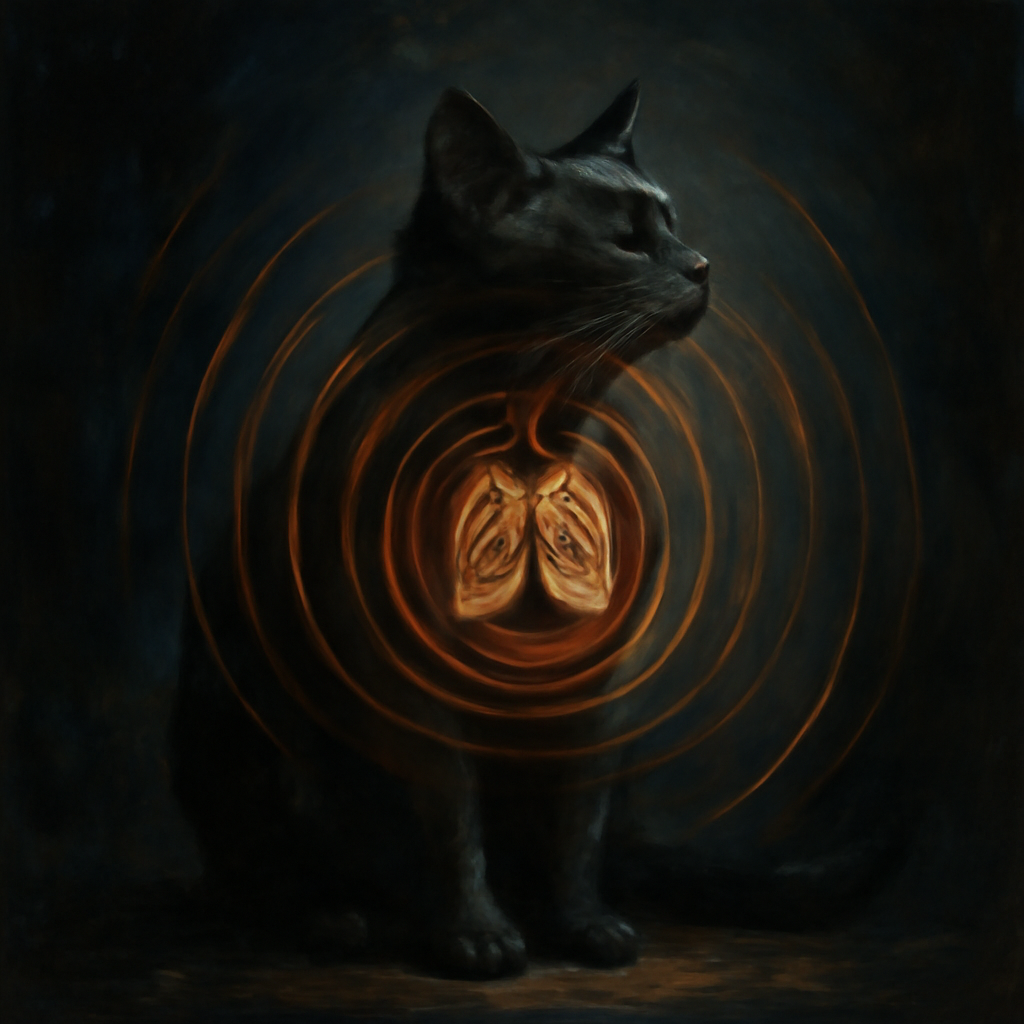
Why Do Cats Purr? The Secret Language of Feline Vibrations
When a cat curls up on your lap and starts to purr, it feels like a little miracle of calm and happiness. But cats don’t just purr when they’re happy—they use this special sound for many reasons. Purring is a soft, continuous vibrating noise that cats make by twitching muscles in their voice box as they breathe in and out. It’s like their own way of talking without words.
Cats purr to show they feel safe and comfortable, like when they’re snuggling or being petted. But they also purr when they’re scared, hurt, or anxious. Scientists think purring helps cats calm down and might even help heal their bodies by making vibrations that encourage tissue repair. Kittens use purring to talk to their mom, letting her know they’re okay and close by. So, purring is a kind of secret code that helps cats connect with each other and with us, while also helping them feel better inside.
“Cats not only purr when happy but also to heal their bones and soothe pain using special vibrations.”
Reflect
If cats can heal themselves with purring, what other hidden abilities might animals have that we don’t yet understand?
Research·5 sources·Established confidence·Investigated 18 Jul 2026(2 months ago)·Grounded; verification trace not recorded·Investigation may be outdated
Your next question, in
Visual Trail
See Why Do Cats Purr? The Secret Language of Feline Vibrations
A guided visual explanation assembled from QE artwork and sourced documentary images.
01 / 05
QE visual interpretation
Frame 01
Why Do Cats Purr? The Secret Language of Feline Vibrations
Cats purr to show happiness, calm themselves, communicate, and even help heal their bodies.
Image provenance and limitation
Source: AI-generated visual interpretation
Creator: Question Everything
Limitation: This image explains or evokes the subject. It is not documentary evidence and should not be used to verify a factual claim.
Evidence
What do we know?
Verified claims with confidence scoring and cited sources.
2 of 5 findings need extra caution. Finding 1, Finding 5 rest on weaker sourcing than the other findings.
Living footnotes
Claims remain in the reading flow. Select a citation number to inspect the source behind it.
01
AcademicNot confirmed
Cats produce purring by rapidly twitching muscles in their voice box while breathing.
The purring sound is created when a cat’s brain sends signals to muscles in its larynx, or voice box. These muscles twitch quickly, opening and closing a small space in the throat called the glottis. As the cat breathes in and out, air passes through this vibrating opening, producing the familiar purring noise. This happens about 25 to 150 times per second, creating a steady, rhythmic sound that we recognize instantly as a cat’s purr.
02
ObservationalSupported
Cats purr to show contentment and happiness.
When cats feel safe, comfortable, and relaxed—like when they are resting on their owner's lap or being gently petted—they often purr. This is their way of saying they are happy and at ease. Purring in these moments is a kind of ‘happy sound’ that cats use to communicate their positive feelings to other cats or humans. Even wild cats like lions and cheetahs purr when they feel content.
03
ObservationalSupported
Cats also purr when they are in pain or feeling stressed as a way to calm themselves.
Cats don’t only purr when they’re happy. Sometimes, they purr when they’re hurt, scared, or anxious. This might seem strange, but purring can help calm a cat down and soothe discomfort. It’s like a natural way for cats to comfort themselves, similar to how people might hum or rock when upset. The vibrations of purring may even help reduce pain and swelling, aiding in healing.
04
AcademicSupported
Purring vibrations can promote healing by stimulating bones and tissues.
Scientists have found that the frequency of a cat’s purr, which ranges from about 25 to 150 Hertz, can help improve bone density and heal injuries. These vibrations might encourage the cat’s body to repair itself faster by stimulating tissue growth and reducing pain. This could explain why cats often purr when they are hurt or recovering from illness or injury.
05
ObservationalNot confirmed
Kittens purr to communicate with their mother and find her for feeding.
Newborn kittens can’t meow properly yet, so they use purring to signal their mother. This soft vibration lets the mother cat know where her kittens are and that they are okay. It helps the kittens bond with their mom and find her warmth and milk. The mother cat often purrs back, creating a comforting conversation between them.
The complete record below preserves every citation, confidence input and recorded limitation.
Read the full evidence record5 findings · citations · limitations
Evidence review5 findings5 openable sources
01
Finding 1 of 5AcademicNeeds caution
0
0/0 verified
Cats produce purring by rapidly twitching muscles in their voice box while breathing.
The purring sound is created when a cat’s brain sends signals to muscles in its larynx, or voice box. These muscles twitch quickly, opening and closing a small space in the throat called the glottis. As the cat breathes in and out, air passes through this vibrating opening, producing the familiar purring noise. This happens about 25 to 150 times per second, creating a steady, rhythmic sound that we recognize instantly as a cat’s purr.
Not confirmedmodel score 30%
Scored as if sourced, but every citation failed verification.
NO SURVIVING CITATION
›View sources and limits— limits
Supporting passage
The purring sound is created when a cat’s brain sends signals to muscles in its larynx, or voice box. These muscles twitch quickly, opening and closing a small space in the throat called the glottis. As the cat breathes in and out, air passes through this vibrating opening, producing the familiar purring noise. This happens about 25 to 150 times per second, creating a steady, rhythmic sound that we recognize instantly as a cat’s purr.
Citations (0 of 2 survived verification)
Nothing openable. Every citation was removed by provenance validation.
What limits this
All 2 citations on this claim failed verification and were removed. Nothing openable supports it.
02
Finding 2 of 5Observational
0/1 verified
Cats purr to show contentment and happiness.
When cats feel safe, comfortable, and relaxed—like when they are resting on their owner's lap or being gently petted—they often purr. This is their way of saying they are happy and at ease. Purring in these moments is a kind of ‘happy sound’ that cats use to communicate their positive feelings to other cats or humans. Even wild cats like lions and cheetahs purr when they feel content.
Supportedmodel score 95%
One source, not peer-reviewed. Thinner than the score suggests.
REFERENCE
›View sources and limits— 1 citation, limits
Supporting passage
When cats feel safe, comfortable, and relaxed—like when they are resting on their owner's lap or being gently petted—they often purr. This is their way of saying they are happy and at ease. Purring in these moments is a kind of ‘happy sound’ that cats use to communicate their positive feelings to other cats or humans. Even wild cats like lions and cheetahs purr when they feel content.
Rests on a single source. No independent corroboration.
No peer-reviewed source among the citations.
The generator scored this 95%, which would read as “Established”. Its citations reach only “Supported”, so that is what is shown.
03
Finding 3 of 5Observational
0/2 verified
Cats also purr when they are in pain or feeling stressed as a way to calm themselves.
Cats don’t only purr when they’re happy. Sometimes, they purr when they’re hurt, scared, or anxious. This might seem strange, but purring can help calm a cat down and soothe discomfort. It’s like a natural way for cats to comfort themselves, similar to how people might hum or rock when upset. The vibrations of purring may even help reduce pain and swelling, aiding in healing.
Supportedmodel score 90%
2 sources agree, none peer-reviewed.
REFERENCE ×2
›View sources and limits— 2 citations, limits
Supporting passage
Cats don’t only purr when they’re happy. Sometimes, they purr when they’re hurt, scared, or anxious. This might seem strange, but purring can help calm a cat down and soothe discomfort. It’s like a natural way for cats to comfort themselves, similar to how people might hum or rock when upset. The vibrations of purring may even help reduce pain and swelling, aiding in healing.
The generator scored this 90%, which would read as “Established”. Its citations reach only “Supported”, so that is what is shown.
04
Finding 4 of 5Academic
2
0/2 verified
Purring vibrations can promote healing by stimulating bones and tissues.
Scientists have found that the frequency of a cat’s purr, which ranges from about 25 to 150 Hertz, can help improve bone density and heal injuries. These vibrations might encourage the cat’s body to repair itself faster by stimulating tissue growth and reducing pain. This could explain why cats often purr when they are hurt or recovering from illness or injury.
Supportedmodel score 87%
2 sources agree, none peer-reviewed.
REFERENCE ×2
›View sources and limits— 2 citations, limits
Supporting passage
Scientists have found that the frequency of a cat’s purr, which ranges from about 25 to 150 Hertz, can help improve bone density and heal injuries. These vibrations might encourage the cat’s body to repair itself faster by stimulating tissue growth and reducing pain. This could explain why cats often purr when they are hurt or recovering from illness or injury.
The generator scored this 87%, which would read as “Established”. Its citations reach only “Supported”, so that is what is shown.
05
Finding 5 of 5ObservationalNeeds caution
0/0 verified
Kittens purr to communicate with their mother and find her for feeding.
Newborn kittens can’t meow properly yet, so they use purring to signal their mother. This soft vibration lets the mother cat know where her kittens are and that they are okay. It helps the kittens bond with their mom and find her warmth and milk. The mother cat often purrs back, creating a comforting conversation between them.
Not confirmedmodel score 30%
Scored as if sourced, but every citation failed verification.
NO SURVIVING CITATION
›View sources and limits— limits
Supporting passage
Newborn kittens can’t meow properly yet, so they use purring to signal their mother. This soft vibration lets the mother cat know where her kittens are and that they are okay. It helps the kittens bond with their mom and find her warmth and milk. The mother cat often purrs back, creating a comforting conversation between them.
Citations (0 of 2 survived verification)
Nothing openable. Every citation was removed by provenance validation.
What limits this
All 2 citations on this claim failed verification and were removed. Nothing openable supports it.
Interactive Exploration
Touch, drag, and discover
These visualizations respond to your curiosity. Interact to go deeper.
process flow
How Cats Make the Purring Sound
Brain Sends Signal
Muscles Twitch Quickly
Air Vibrates Vocal Cords
Steady Purring Sound
statistics card
Purring Frequencies and Healing Benefits
25 - 150 Hz
Frequency range of cat purrs
This range can stimulate healing in bones and tissues.
Up to 9 lives
Feline resilience myth
Purring may help explain cats' abilities to recover from injuries.
timeline
When Cats Use Purring
Loading timeline…
Visual Gallery
Images & artifacts
Historical images, diagrams, and visual knowledge from Wikimedia Commons.
Perspectives
How is this interpreted?
Enter a viewpoint. Notice what it reveals, what it leaves out, and whether it changes the question for you.
The EmpiricistScientific viewpointLive tension
Scientists study purring as a complex behavior with multiple roles. It’s a mix of communication, self-soothing, and physical healing. The vibrations produced during purring fall in a range that can stimulate bone growth and reduce pain. This means that purring is not just a happy noise but also a built-in healing tool for cats. Research continues to explore how these vibrations affect cats’ health and emotional state.
What this lens notices
01Purring occurs during both happy and stressful situations.
02The frequency of purr vibrations matches that used in medical healing therapies.
03Cats purr from early kittenhood, showing its importance in survival and bonding.
Application
Why does this matter to you?
Personal reflections and applications for your life.
Thought experimentSelf-Reflection
Have you noticed when your cat purrs and what might they be trying to tell you?
Why it changes the question
Understanding your cat’s purring can deepen your bond and help you respond to their needs better. Sometimes they purr because they’re happy, other times because they need comfort.
Try this
Next time your cat purrs, pause and observe their body language. Are they relaxed, or do they seem uneasy? This can teach you more about their feelings.
Media
QE Smart Glass
Curated media selected for this investigation.
QE Glass
YOUTUBE
Cat Tales | Full Documentary | NOVA | PBS
NOVA PBS Official
Goddess, demon, house pet? What does science say about the human relationship with cats? (Aired February 19, 2020 on PBS) ...
QE Glass
YOUTUBE
Why Do Cats Purr?
SciShow
The smaller members of the felid family can purr, but why? Hank takes on this most adorable of life's mysteries in todays episode ...
QE Glass
YOUTUBE
Why do cats act so weird? - Tony Buffington
TED-Ed
Check out our Patreon page: https://www.patreon.com/teded View full lesson: ...
QE Glass
YOUTUBE
How Do Cats Use Their Whiskers? Slow-Motion | Cats Uncovered | BBC Earth
BBC Earth
How do cats use their whiskers to catch their prey? Using slow motion you can see the whiskers move into an attack position.
QE Glass
YOUTUBE
The history of the world according to cats - Eva-Maria Geigl
TED-Ed
Sign up for our newsletter and never miss an animation: http://bit.ly/TEDEdNewsletter View full lesson: ...
QE Glass
YOUTUBE
How (And Why) Do Cats Purr?
BrainStuff - HowStuffWorks
Cats purr for all kinds of reasons, including communication and healing themselves. Cristen explains how purring works and ...
QE Glass
YOUTUBE
How (And Why) Do Cats Purr?
SciShow
This video explains the science behind purring, including how cats produce the sound and why they do it.
QE Glass
PODCAST
Science Vs: Cat Purring – Healing or Just Happy?
Science Vs
A podcast episode exploring the mysteries of cat purring and its surprising health effects.
Keep Going
Where this leads
Questions this investigation opens up — and what QE has already looked into.
No AI help here — no suggestions, no autocomplete, nothing finishing your sentences. That is deliberate. Working out what you think is effortful, and the effort is the part that changes you: reasoning is trained like a muscle, and a muscle that is always carried gets weaker. Let something else do the thinking and you keep the answer but lose the capacity to have reached it.
Write your current position.
Not what the page says. What you think, having read it.0 words · Nothing written yet.
Sign in to leave a mark. Your draft is saved here in the meantime.