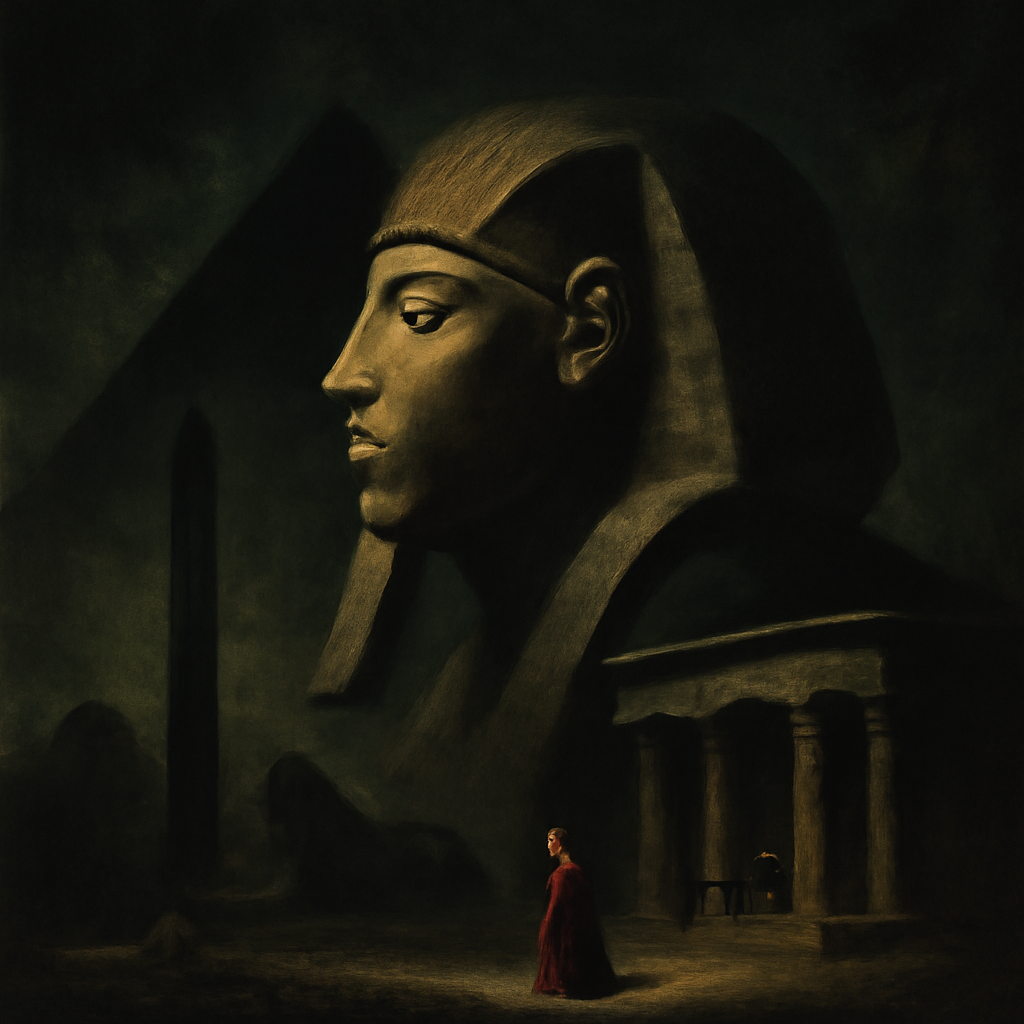
What Was Ancient Egypt Like? A Journey Into a Timeless Civilization
Ancient Egypt was a vibrant and powerful civilization that lasted over 3,000 years along the Nile River in North Africa. It was famous for its pyramids, pharaohs, and rich culture. People lived in towns by the Nile, which flooded each year and left behind fertile soil perfect for growing crops like wheat and barley. This reliable food source helped the civilization grow strong and stable.
Life in Ancient Egypt was full of color and joy. Egyptians loved music, dancing, games, and festivals. They wore colorful clothes and jewelry and cared deeply about family. They believed in an afterlife where life continued happily, so they prepared by building tombs and mummies with things needed for the next world. Their society had farmers, builders, priests, scribes (people who wrote things down), doctors, and artists, each playing an important role.
Egyptians invented many things we still use today, like a calendar based on the sun, early forms of math, and writing with symbols called hieroglyphs. Their buildings, especially the pyramids and temples, still amaze us with their size and precision. Ancient Egypt was a place where everyday life, religion, art, and science blended to create a lasting legacy that continues to fascinate the world.
“Ancient Egyptians created a calendar almost identical to ours by watching the sun thousands of years ago.”
Reflect
If ancient people could develop such accurate systems by observing nature, what everyday rhythms around us do we often miss today?
Research·2 sources·Developing confidence·Investigated 19 Jul 2026(2 months ago)·Grounded; verification trace not recorded·Investigation may be outdated
Your next question, in
Visual Trail
See What Was Ancient Egypt Like? A Journey Into a Timeless Civilization
A guided visual explanation assembled from QE artwork and sourced documentary images.
01 / 05
QE visual interpretation
Frame 01
What Was Ancient Egypt Like? A Journey Into a Timeless Civilization
Ancient Egypt was a rich, colorful civilization by the Nile, famous for pyramids, pharaohs, and a joyful daily life.
Image provenance and limitation
Source: AI-generated visual interpretation
Creator: Question Everything
Limitation: This image explains or evokes the subject. It is not documentary evidence and should not be used to verify a factual claim.
Evidence
What do we know?
Verified claims with confidence scoring and cited sources.
2 of 4 findings need extra caution. Finding 3, Finding 4 rest on weaker sourcing than the other findings.
Living footnotes
Claims remain in the reading flow. Select a citation number to inspect the source behind it.
01
HistoricalSupported
The Nile River's annual flooding created fertile soil that supported farming in Ancient Egypt.
Every year, the Nile River flooded and left behind rich, dark soil that was perfect for growing crops. This flooding was predictable and allowed Egyptians to plant wheat, barley, and other foods. The reliable harvests helped their society thrive and supported a large population. Without the Nile's floods, farming would have been difficult in the desert environment.
02
HistoricalSupported
Ancient Egyptians believed in an afterlife and prepared for it by mummifying bodies and placing goods in tombs.
The Egyptians thought that after death, people would live again in a happy afterlife that was much like their life on earth but without pain or illness. To make this possible, they carefully preserved bodies through mummification, a process that kept the body from decaying. They also buried the dead with food, games, clothes, and other items they might need, so their spirit would be comfortable and well-equipped in the next world.
03
HistoricalNot confirmed
Ancient Egyptians invented a calendar based on the sun, close to our modern 365-day year.
To keep track of time and plan farming activities, Egyptians observed the sun’s movement and developed a calendar with 365 days, similar to what we use today. This early calendar helped them predict the flooding of the Nile and organize their year efficiently. It shows their advanced understanding of astronomy and time.
04
HistoricalNot confirmed
Ancient Egyptian society had many roles including farmers, builders, priests, scribes, and doctors.
Most Egyptians worked as farmers, growing food on the fertile land by the Nile. Others were skilled builders who constructed monuments like the pyramids. Priests ran religious ceremonies and temples. Scribes were educated people who wrote down laws, stories, and records. Doctors used herbal remedies and practical treatments to care for the sick. This variety of jobs kept their society organized and thriving.
The complete record below preserves every citation, confidence input and recorded limitation.
Read the full evidence record4 findings · citations · limitations
Evidence review4 findings2 openable sources
01
Finding 1 of 4Historical
0/1 verified
The Nile River's annual flooding created fertile soil that supported farming in Ancient Egypt.
Every year, the Nile River flooded and left behind rich, dark soil that was perfect for growing crops. This flooding was predictable and allowed Egyptians to plant wheat, barley, and other foods. The reliable harvests helped their society thrive and supported a large population. Without the Nile's floods, farming would have been difficult in the desert environment.
Supportedmodel score 98%
One source, not peer-reviewed. Thinner than the score suggests.
REFERENCE
›View sources and limits— 1 citation, limits
Supporting passage
Every year, the Nile River flooded and left behind rich, dark soil that was perfect for growing crops. This flooding was predictable and allowed Egyptians to plant wheat, barley, and other foods. The reliable harvests helped their society thrive and supported a large population. Without the Nile's floods, farming would have been difficult in the desert environment.
Rests on a single source. No independent corroboration.
No peer-reviewed source among the citations.
The generator scored this 98%, which would read as “Established”. Its citations reach only “Supported”, so that is what is shown.
02
Finding 2 of 4Historical
0/1 verified
Ancient Egyptians believed in an afterlife and prepared for it by mummifying bodies and placing goods in tombs.
The Egyptians thought that after death, people would live again in a happy afterlife that was much like their life on earth but without pain or illness. To make this possible, they carefully preserved bodies through mummification, a process that kept the body from decaying. They also buried the dead with food, games, clothes, and other items they might need, so their spirit would be comfortable and well-equipped in the next world.
Supportedmodel score 96%
One source, not peer-reviewed. Thinner than the score suggests.
REFERENCE
›View sources and limits— 1 citation, limits
Supporting passage
The Egyptians thought that after death, people would live again in a happy afterlife that was much like their life on earth but without pain or illness. To make this possible, they carefully preserved bodies through mummification, a process that kept the body from decaying. They also buried the dead with food, games, clothes, and other items they might need, so their spirit would be comfortable and well-equipped in the next world.
Rests on a single source. No independent corroboration.
No peer-reviewed source among the citations.
The generator scored this 96%, which would read as “Established”. Its citations reach only “Supported”, so that is what is shown.
03
Finding 3 of 4HistoricalNeeds caution
0/0 verified
Ancient Egyptians invented a calendar based on the sun, close to our modern 365-day year.
To keep track of time and plan farming activities, Egyptians observed the sun’s movement and developed a calendar with 365 days, similar to what we use today. This early calendar helped them predict the flooding of the Nile and organize their year efficiently. It shows their advanced understanding of astronomy and time.
Not confirmedmodel score 30%
Scored as if sourced, but every citation failed verification.
NO SURVIVING CITATION
›View sources and limits— limits
Supporting passage
To keep track of time and plan farming activities, Egyptians observed the sun’s movement and developed a calendar with 365 days, similar to what we use today. This early calendar helped them predict the flooding of the Nile and organize their year efficiently. It shows their advanced understanding of astronomy and time.
Citations (0 of 1 survived verification)
Nothing openable. Every citation was removed by provenance validation.
What limits this
All 1 citation on this claim failed verification and were removed. Nothing openable supports it.
04
Finding 4 of 4HistoricalNeeds caution
0/0 verified
Ancient Egyptian society had many roles including farmers, builders, priests, scribes, and doctors.
Most Egyptians worked as farmers, growing food on the fertile land by the Nile. Others were skilled builders who constructed monuments like the pyramids. Priests ran religious ceremonies and temples. Scribes were educated people who wrote down laws, stories, and records. Doctors used herbal remedies and practical treatments to care for the sick. This variety of jobs kept their society organized and thriving.
Not confirmedmodel score 30%
Scored as if sourced, but every citation failed verification.
NO SURVIVING CITATION
›View sources and limits— limits
Supporting passage
Most Egyptians worked as farmers, growing food on the fertile land by the Nile. Others were skilled builders who constructed monuments like the pyramids. Priests ran religious ceremonies and temples. Scribes were educated people who wrote down laws, stories, and records. Doctors used herbal remedies and practical treatments to care for the sick. This variety of jobs kept their society organized and thriving.
Citations (0 of 1 survived verification)
Nothing openable. Every citation was removed by provenance validation.
What limits this
All 1 citation on this claim failed verification and were removed. Nothing openable supports it.
Interactive Exploration
Touch, drag, and discover
These visualizations respond to your curiosity. Interact to go deeper.
timeline
Key Periods in Ancient Egyptian History
Loading timeline…
relationship map
How Daily Life, Religion, and the Nile Connect in Ancient Egypt
Mapping relationships…
Drag nodes to rearrange — tap for details
statistics card
Fun Facts About Ancient Egypt
3000+
Years civilization lasted
A very long-lasting culture in human history
365
Days in their solar calendar
Very close to our modern calendar
300
Number of pharaohs
Rulers who led Egypt over centuries
100+
Types of jobs in society
Showing a complex and organized civilization
Visual Gallery
Images & artifacts
Historical images, diagrams, and visual knowledge from Wikimedia Commons.
Perspectives
How is this interpreted?
Enter a viewpoint. Notice what it reveals, what it leaves out, and whether it changes the question for you.
The EmpiricistScientific viewpointEstablished lens
From a scientific point of view, Ancient Egypt is a great example of how humans adapted to their environment. The Nile River was the lifeline that made farming and civilization possible in a desert region. Their advances in agriculture, medicine, and astronomy laid early foundations for science. For example, their calendar closely matches our own because of careful observation of the sun and stars. By studying their artifacts and writings, scientists learn how they solved practical problems thousands of years ago.
What this lens notices
01The Nile’s flooding cycle was essential for farming.
02Egyptians developed early medical practices based on herbs.
03Their calendar shows knowledge of astronomy.
Application
Why does this matter to you?
Personal reflections and applications for your life.
Thought experimentSelf-Reflection
How do your daily routines connect to the natural world around you?
Why it changes the question
Ancient Egyptians based their life and calendar on the natural rhythms of the Nile and the sun. Thinking about your own daily habits in relation to nature can help you feel connected to the world and appreciate the cycles that shape life.
Try this
Try noticing the sun’s position at different times of day or the seasons changing and reflect on how that affects your activities.
Media
QE Smart Glass
Curated media selected for this investigation.
QE Glass
YOUTUBE
Ancient Egypt: Crash Course World History #4
CrashCourse
In which John covers the long, long history of ancient Egypt, including the Old, Middle, and New Kingdoms, and even a couple of ...
QE Glass
YOUTUBE
The ENTIRE History of Egypt | Ancient Civilizations Documentary
Beginning To Now
The Complete History of Egypt | A Beginning To Now Production “Egypt is the gift of the Nile”, that's what Herodotus, the father of ...
QE Glass
YOUTUBE
The Entire History Of Ancient Egypt in Under 20 Minutes
Kelevin
I asked chat gpt to write a summary lmao so read it if you want: Ancient Egypt kicks off around 3100 BC when King Narmer (or ...
QE Glass
YOUTUBE
Discover the Secrets of Ancient Egypt | Engineering an Empire | Full Episode | History
HISTORY
Twenty-five hundred years before the reign of Julius Caesar, the ancient Egyptians were deftly harnessing the power of ...
QE Glass
YOUTUBE
The ENTIRE History of Ancient Egypt Explained
Uncharted Mysteries
From the first pharaohs to the last rulers of the Nile, Ancient Egypt's story spans thousands of years. Spanning the first pharaohs to ...
QE Glass
YOUTUBE
The Golden Age of Egyptian Civilization | Lost Worlds (S1, E3) | Full Episode | History
HISTORY
The mighty Egyptian civilization is in its golden age. Its ruler is Ramses II, a man who intends to be the greatest of the Pharaohs.
QE Glass
YOUTUBE
Ancient Egypt 101 | National Geographic
National Geographic
The Ancient Egyptian civilization, famous for its pyramids, pharaohs, mummies, and tombs, flourished for thousands of years.
QE Glass
YOUTUBE
Daily Life in Ancient Egypt | History Made Easy
Bedtime History
Discover what daily life was like in Ancient Egypt! This video explores how Egyptian people lived, worked, and spent their time ...
QE Glass
PODCAST
The History of Ancient Egypt
History Extra Podcast
A podcast episode exploring the culture, religion, and daily life of Ancient Egyptians.
Connected context
Connected entities
The people, places, concepts, and events that matter here.
Keep Going
Where this leads
Questions this investigation opens up — and what QE has already looked into.
No AI help here — no suggestions, no autocomplete, nothing finishing your sentences. That is deliberate. Working out what you think is effortful, and the effort is the part that changes you: reasoning is trained like a muscle, and a muscle that is always carried gets weaker. Let something else do the thinking and you keep the answer but lose the capacity to have reached it.
Write your current position.
Not what the page says. What you think, having read it.0 words · Nothing written yet.
Sign in to leave a mark. Your draft is saved here in the meantime.