Evidence
What do we know?
Verified claims with confidence scoring and cited sources.
The second naval attack on August 4, 1964, never actually took place.
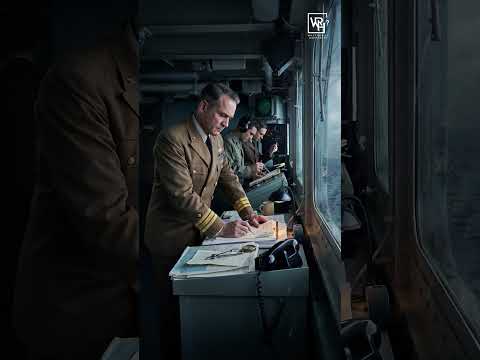
While the first clash on August 2 was real, the second one was a ghost. Declassified documents from the National Security Agency show that there were no North Vietnamese boats near the American ships that night. The ships were shooting at shadows. Bad weather and jumpy sonar operators made it look like an attack on their screens. Former U.S. Defense Secretary Robert McNamara even admitted years later that this second attack was totally imaginary.
The U.S. government hid the fact that its ship was helping with secret military raids against North Vietnam.
President Lyndon B. Johnson told the public that the North Vietnamese attacks were unprovoked. But this was not the whole truth. The USS Maddox was actually on a secret mission. It was spying and gathering radio signals to help South Vietnamese commandos attack North Vietnamese targets. Because the public did not know about these raids, the American government could easily paint the incident as a completely unprovoked act of aggression.
Intelligence agencies deliberately selected and altered data to make it look like an attack occurred.
An internal study by the National Security Agency revealed a major cover-up. Analysts at the agency did not just make a mistake. They actively chose to show policy makers only the reports that supported the attack theory. They hid the overwhelming pile of evidence showing that nothing had happened. This skewed information went straight to the President, leaving him and his team with a completely false picture of the situation.
Go deeper
Another way to see this
“The Official Justification. At the time, President Johnson and his team argued that they had to act fast to protect American lives. They claimed the North Vi...”
You might be wrong about this
The philosophical view challenges this
“The Manufactured War. Many historians and critics argue that the U.S. administration wanted an excuse to expand the w...”
Interactive Exploration
Touch, drag, and discover
These visualizations respond to your curiosity. Interact to go deeper.
The Three Days That Changed History
Loading timeline…
How a Non-Event Led to a Real War
Causes — tap to reveal
Tap to reveal cause 1
Tap to reveal cause 2
Tap to reveal cause 3
Visual Gallery
Images & artifacts
Historical images, diagrams, and visual knowledge from Wikimedia Commons.
Perspectives
How is this interpreted?
Diverse viewpoints across worldviews and disciplines.
Historical View
The Official Justification. At the time, President Johnson and his team argued that they had to act fast to protect American lives. They claimed the North Vietnamese were acting as aggressive bullies in international waters. This view led Congress to pass a resolution giving the president total power to go to war without a formal declaration. For decades, this was the official story taught in schools and believed by the public.
Key Arguments
- Protecting American soldiers on patrol
- Stopping communist aggression in Asia
- Responding to what seemed like real radar data
Go deeper
Deep Dive Media
Explore further
Curated videos and media on QE Smart Glass.
Think about this
“Have you ever made a big decision because you rushed to believe the first piece of bad news you heard?”
The key insight
“The second Gulf of Tonkin attack, which officially dragged America into the Vietnam War, never actually happened.”
Founder's Note
One thing my grandmother first taught me and still reminds me of till this day is that — “Knowledge Is Power” — and those words stayed with me ever since. I believe they sparked this creation.
To understand anything, you must Question Everything.
Darren
Founder of QE

