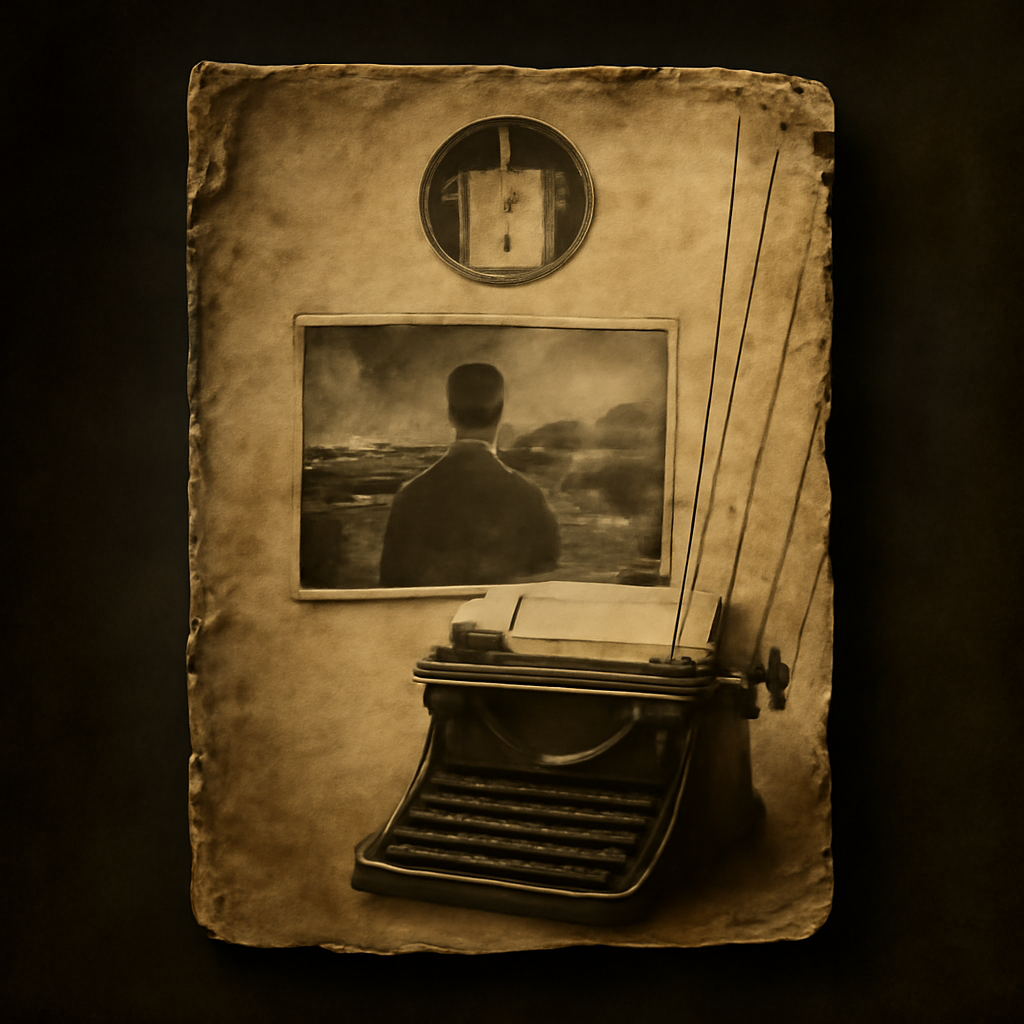
Operation Mockingbird: The CIA’s Secret Press Network
This is a CONFIRMED historical fact. In the 1950s, during the cold war, the CIA secretly started hiring American journalists to shape public opinion. They called this effort to influence the media Operation Mockingbird. A major US Senate investigation in 1975, known as the Church Committee, officially proved that the CIA had hundreds of journalists on its payroll. These reporters wrote stories that pushed government views, and some even gathered intelligence directly for the spy agency. The goal was simple: win the information war against the Soviet Union by controlling what Americans read and heard.
However, some details remain an OPEN FILE. While the CIA's media manipulation is fully documented, historians still debate how organized it actually was. Some argue that the name "Operation Mockingbird" was never an official, single project name, but rather a catch-all term used later by critics. Others point out that many journalists did not need to be bribed or forced. They cooperated willingly because they believed they were helping their country. Today, the full list of journalists involved remains locked away in secret archives.
“During the Cold War, the CIA quietly bypassed the free press by paying American journalists and funding student groups to spread their own spin on the news.”
Reflect
If the government could secretly shape the evening news fifty years ago, how do we know who is guiding the stories we scroll through today?
Research·2 sources·Established confidence·Investigated 2 Aug 2026(1 month ago)·Grounded; verification trace not recorded·Investigation may be outdated
Your next question, in
Visual Trail
See Operation Mockingbird: The CIA’s Secret Press Network
A guided visual explanation assembled from QE artwork and sourced documentary images.
01 / 05
QE visual interpretation
Frame 01
Operation Mockingbird: The CIA’s Secret Press Network
A confirmed Cold War project where the CIA secretly hired American journalists to write biased news to control what the public believed.
Image provenance and limitation
Source: AI-generated visual interpretation
Creator: Question Everything
Limitation: This image explains or evokes the subject. It is not documentary evidence and should not be used to verify a factual claim.
Evidence
What do we know?
Verified claims with confidence scoring and cited sources.
1 of 3 findings need extra caution. Finding 1 rests on weaker sourcing than the other findings.
Living footnotes
Claims remain in the reading flow. Select a citation number to inspect the source behind it.
01
HistoricalNot confirmed
In 1975, a US Senate investigation officially confirmed that the CIA had covertly recruited journalists and funded civic groups.
This is not a conspiracy theory. In 1975, the Church Committee, led by Senator Frank Church, looked into government secrets. They found that the CIA had deep ties to the media. The agency had been bribing students, reporters, and editors to publish stories with a pro-government spin. The CIA even admitted to doing this in their own papers, which they called the 'Family Jewels'. It was a real, documented effort to control what Americans saw and heard.
02
HistoricalSupported
The CIA officially ran a wiretapping program called Project Mockingbird in 1963 to spy on journalists.
There are actually two different 'Mockingbirds'. One is the confirmed 'Project Mockingbird'. In 1963, President John F. Kennedy wanted to find out who was leaking secrets to the press. The CIA tapped the home phones of two Washington writers, Robert Allen and Paul Scott, for three months. This wiretapping was totally real. It was written down in the CIA's own secret files. It shows how far the government went to watch reporters.
03
HistoricalSupported
The term 'Operation Mockingbird' was popularized by an unauthorized 1979 biography of Washington Post owner Katharine Graham.
While the wiretaps were called 'Project Mockingbird', the wider media manipulation campaign got its famous name later. Author Deborah Davis coined the term 'Operation Mockingbird' in her 1979 book, 'Katharine the Great'. She claimed the CIA ran a massive propaganda network led by top media bosses like Phil Graham. While the CIA's media ties are proven, some historians debate if a single, organized program with this specific name actually existed.
The complete record below preserves every citation, confidence input and recorded limitation.
Read the full evidence record3 findings · citations · limitations
Evidence review3 findings2 openable sources
01
Finding 1 of 3HistoricalNeeds caution
0/0 verified
In 1975, a US Senate investigation officially confirmed that the CIA had covertly recruited journalists and funded civic groups.
This is not a conspiracy theory. In 1975, the Church Committee, led by Senator Frank Church, looked into government secrets. They found that the CIA had deep ties to the media. The agency had been bribing students, reporters, and editors to publish stories with a pro-government spin. The CIA even admitted to doing this in their own papers, which they called the 'Family Jewels'. It was a real, documented effort to control what Americans saw and heard.
Not confirmedmodel score 30%
Scored as if sourced, but every citation failed verification.
NO SURVIVING CITATION
›View sources and limits— limits
Supporting passage
This is not a conspiracy theory. In 1975, the Church Committee, led by Senator Frank Church, looked into government secrets. They found that the CIA had deep ties to the media. The agency had been bribing students, reporters, and editors to publish stories with a pro-government spin. The CIA even admitted to doing this in their own papers, which they called the 'Family Jewels'. It was a real, documented effort to control what Americans saw and heard.
Citations (0 of 1 survived verification)
Nothing openable. Every citation was removed by provenance validation.
What limits this
All 1 citation on this claim failed verification and were removed. Nothing openable supports it.
02
Finding 2 of 3Historical
0/1 verified
The CIA officially ran a wiretapping program called Project Mockingbird in 1963 to spy on journalists.
There are actually two different 'Mockingbirds'. One is the confirmed 'Project Mockingbird'. In 1963, President John F. Kennedy wanted to find out who was leaking secrets to the press. The CIA tapped the home phones of two Washington writers, Robert Allen and Paul Scott, for three months. This wiretapping was totally real. It was written down in the CIA's own secret files. It shows how far the government went to watch reporters.
Supportedmodel score 98%
One source, not peer-reviewed. Thinner than the score suggests.
REFERENCE
›View sources and limits— 1 citation, limits
Supporting passage
There are actually two different 'Mockingbirds'. One is the confirmed 'Project Mockingbird'. In 1963, President John F. Kennedy wanted to find out who was leaking secrets to the press. The CIA tapped the home phones of two Washington writers, Robert Allen and Paul Scott, for three months. This wiretapping was totally real. It was written down in the CIA's own secret files. It shows how far the government went to watch reporters.
Rests on a single source. No independent corroboration.
No peer-reviewed source among the citations.
The generator scored this 98%, which would read as “Established”. Its citations reach only “Supported”, so that is what is shown.
03
Finding 3 of 3Historical
2024
1 dated source
The term 'Operation Mockingbird' was popularized by an unauthorized 1979 biography of Washington Post owner Katharine Graham.
While the wiretaps were called 'Project Mockingbird', the wider media manipulation campaign got its famous name later. Author Deborah Davis coined the term 'Operation Mockingbird' in her 1979 book, 'Katharine the Great'. She claimed the CIA ran a massive propaganda network led by top media bosses like Phil Graham. While the CIA's media ties are proven, some historians debate if a single, organized program with this specific name actually existed.
Supportedmodel score 85%
One source, not peer-reviewed. Thinner than the score suggests.
REFERENCE
›View sources and limits— 1 citation, limits
Supporting passage
While the wiretaps were called 'Project Mockingbird', the wider media manipulation campaign got its famous name later. Author Deborah Davis coined the term 'Operation Mockingbird' in her 1979 book, 'Katharine the Great'. She claimed the CIA ran a massive propaganda network led by top media bosses like Phil Graham. While the CIA's media ties are proven, some historians debate if a single, organized program with this specific name actually existed.
Rests on a single source. No independent corroboration.
No peer-reviewed source among the citations.
The generator scored this 85%, which would read as “Established”. Its citations reach only “Supported”, so that is what is shown.
Interactive Exploration
Touch, drag, and discover
These visualizations respond to your curiosity. Interact to go deeper.
timeline
Key Moments in the Mockingbird Story
Loading timeline…
comparison table
Project vs. Operation: Spotting the Difference
Project Mockingbird
Operation Mockingbird
Status
Fully Confirmed (Official CIA records exist)
Partially Confirmed (Media ties are real, but the specific name is unofficial)
Primary Activity
Wiretapping and spying on two specific reporters
Infiltrating and influencing newsrooms and student groups
Key Era
March to June 1963
Early 1950s through the 1970s
Target
Robert Allen and Paul Scott
Dozens of major journalists, editors, and organizations
Tap any row to highlight and compare
Visual Gallery
Images & artifacts
Historical images, diagrams, and visual knowledge from Wikimedia Commons.
Perspectives
How is this interpreted?
Enter a viewpoint. Notice what it reveals, what it leaves out, and whether it changes the question for you.
The HistorianHistorical viewpointLive tension
This program was a massive threat to democracy. A free country needs a free press to keep the government honest. When the CIA started paying journalists, they turned the news into a weapon. This destroyed public trust. People could no longer tell the difference between real news and government propaganda. It shows that under the excuse of national security, agencies will gladly break the rules of a free society.
What this lens notices
01It violated the fundamental democratic principle of a free, independent press.
02It turned trusted journalists into secret government agents.
03It misled the public during critical Cold War moments.
Application
Why does this matter to you?
Personal reflections and applications for your life.
Thought experimentPractical
How do you spot media bias in your daily life?
Why it changes the question
The history of media manipulation shows that we cannot just trust information blindly. We need to look at who is telling the story and why.
Try this
Try reading the same news story from three different sources with different political views to see how they frame the facts.
No AI help here — no suggestions, no autocomplete, nothing finishing your sentences. That is deliberate. Working out what you think is effortful, and the effort is the part that changes you: reasoning is trained like a muscle, and a muscle that is always carried gets weaker. Let something else do the thinking and you keep the answer but lose the capacity to have reached it.
Write your current position.
Not what the page says. What you think, having read it.0 words · Nothing written yet.
Sign in to leave a mark. Your draft is saved here in the meantime.