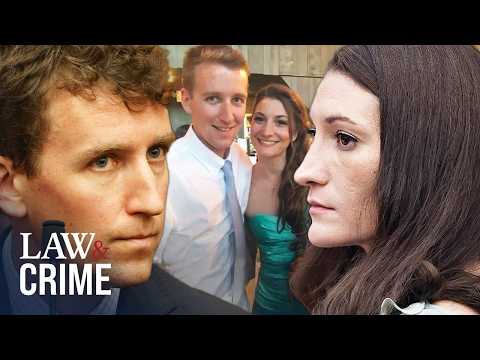
The Tragic Case of Lindsay Clancy: Ex… | Question Everything
psychology65% confidencepartly supported
21 min deep dive
Complexity
The Tragic Case of Lindsay Clancy: Exploring a Complex Story
Lindsay Clancy is a name that surfaced in headlines tied to a deeply tragic event. In early 2024, she was involved in a heartbreaking case that shocked many—a mother accused in the death of her three children. This story sparked widespread discussions about mental health, postpartum struggles, and the pressures faced by parents. It is a stark reminder of the hidden battles some endure behind closed doors.
The case drew attention to the importance of mental health care and the challenges in recognizing and addressing postpartum mental illnesses. It also raised questions about how society supports families under stress. While the details are painful, understanding this story helps us see the critical need for compassion and better resources for those silently suffering.
“Lindsay Clancy’s case reveals how postpartum psychosis, a rare and severe mental illness, can tragically distort a mother’s perception and actions.”
Reflect
How might society better recognize and support mothers grappling with extreme postpartum mental health challenges before tragedy strikes?
5 sources·Established confidence·Investigated 29 Aug 2026(today)·Source-verified
Your next question, in
Evidence
What do we know?
Verified claims with confidence scoring and cited sources.
3 of 5 findings need extra caution. Finding 2, Finding 3, Finding 4 rest on weaker sourcing than the other findings.
Living footnotes
Claims remain in the reading flow. Select a citation number to inspect the source behind it.
01
HistoricalSupported
Lindsay Clancy killed her three children in January 2023 and was found unconscious after an apparent suicide attempt.
On January 24, 2023, Lindsay Clancy strangled her three young children at her home in Duxbury, Massachusetts, and was found unconscious nearby in an apparent suicide attempt. The tragic event shocked the community and sparked intense legal and mental health discussions about her actions.
02
ObservationalMixed evidence
The defense argued Lindsay Clancy was experiencing postpartum psychosis, a rare mental illness affecting 1 to 2 out of 1,000 women after childbirth.
Lindsay Clancy's defense team maintained that she suffered from postpartum psychosis, a severe psychiatric condition that includes symptoms like auditory hallucinations and delusions, triggered by childbirth. This illness is far less common than postpartum depression but can profoundly impair judgment and behavior.
03
HistoricalMixed evidence
Lindsay Clancy’s cellphone notes revealed her struggle with anxiety, depression, and the feeling that medication had 'stolen' her motherhood.
Notes found on Clancy’s cellphone shortly before the tragedy detail her mental health decline, expressing fear, hesitation over medication, and a sense that treatment was harming her identity as a mother. These writings offer a raw glimpse into her internal battle with postpartum anxiety and depression.
04
HistoricalMixed evidence
Expert testimony during the trial described Clancy hearing a disembodied male voice commanding her to kill her children and herself.
A clinical psychologist testified that Lindsay Clancy reported hearing a male voice instructing her to kill her children and then herself, a symptom consistent with postpartum psychosis involving auditory hallucinations that impair reality testing and control.
05
HistoricalSupported
The jury faced the complex legal question of whether Clancy was criminally responsible, meaning she understood the wrongfulness of her actions.
In the trial, jurors had to decide if Lindsay Clancy was criminally responsible for her children's deaths, weighing if her severe mental illness prevented her from grasping the nature or wrongfulness of her acts, a legal standard that determines guilt or not guilty by reason of insanity.
The complete record below preserves every citation, confidence input and recorded limitation.
Read the full evidence record5 findings · citations · limitations
Evidence review5 findings7 openable sources
01
Finding 1 of 5Historical
20232026
2 dated sources
Lindsay Clancy killed her three children in January 2023 and was found unconscious after an apparent suicide attempt.
On January 24, 2023, Lindsay Clancy strangled her three young children at her home in Duxbury, Massachusetts, and was found unconscious nearby in an apparent suicide attempt. The tragic event shocked the community and sparked intense legal and mental health discussions about her actions.
Supportedmodel score 80%
2 sources agree, none peer-reviewed.
REFERENCE ×2
›View sources and limits— 2 citations, limits
Supporting passage
On January 24, 2023, Lindsay Clancy strangled her three young children at her home in Duxbury, Massachusetts, and was found unconscious nearby in an apparent suicide attempt. The tragic event shocked the community and sparked intense legal and mental health discussions about her actions.
The defense argued Lindsay Clancy was experiencing postpartum psychosis, a rare mental illness affecting 1 to 2 out of 1,000 women after childbirth.
Lindsay Clancy's defense team maintained that she suffered from postpartum psychosis, a severe psychiatric condition that includes symptoms like auditory hallucinations and delusions, triggered by childbirth. This illness is far less common than postpartum depression but can profoundly impair judgment and behavior.
Mixed evidencemodel score 55%
Verification was mixed across 1 source.
REPORTING
›View sources and limits— 1 citation, limits
Supporting passage
Lindsay Clancy's defense team maintained that she suffered from postpartum psychosis, a severe psychiatric condition that includes symptoms like auditory hallucinations and delusions, triggered by childbirth. This illness is far less common than postpartum depression but can profoundly impair judgment and behavior.
1 of 2 citations failed verification and are not shown.
Rests on a single source. No independent corroboration.
No peer-reviewed source among the citations.
Verification was mixed — some citations supported the claim and some did not.
03
Finding 3 of 5HistoricalNeeds caution
2026
1 dated source
Lindsay Clancy’s cellphone notes revealed her struggle with anxiety, depression, and the feeling that medication had 'stolen' her motherhood.
Notes found on Clancy’s cellphone shortly before the tragedy detail her mental health decline, expressing fear, hesitation over medication, and a sense that treatment was harming her identity as a mother. These writings offer a raw glimpse into her internal battle with postpartum anxiety and depression.
Mixed evidencemodel score 55%
Verification was mixed across 1 source.
REFERENCE
›View sources and limits— 1 citation, limits
Supporting passage
Notes found on Clancy’s cellphone shortly before the tragedy detail her mental health decline, expressing fear, hesitation over medication, and a sense that treatment was harming her identity as a mother. These writings offer a raw glimpse into her internal battle with postpartum anxiety and depression.
1 of 2 citations failed verification and are not shown.
Rests on a single source. No independent corroboration.
No peer-reviewed source among the citations.
Verification was mixed — some citations supported the claim and some did not.
04
Finding 4 of 5HistoricalNeeds caution
2026
1 dated source
Expert testimony during the trial described Clancy hearing a disembodied male voice commanding her to kill her children and herself.
A clinical psychologist testified that Lindsay Clancy reported hearing a male voice instructing her to kill her children and then herself, a symptom consistent with postpartum psychosis involving auditory hallucinations that impair reality testing and control.
Mixed evidencemodel score 55%
Verification was mixed across 1 source.
REFERENCE
›View sources and limits— 1 citation, limits
Supporting passage
A clinical psychologist testified that Lindsay Clancy reported hearing a male voice instructing her to kill her children and then herself, a symptom consistent with postpartum psychosis involving auditory hallucinations that impair reality testing and control.
1 of 2 citations failed verification and are not shown.
Rests on a single source. No independent corroboration.
No peer-reviewed source among the citations.
Verification was mixed — some citations supported the claim and some did not.
05
Finding 5 of 5Historical
2026
1 dated source
The jury faced the complex legal question of whether Clancy was criminally responsible, meaning she understood the wrongfulness of her actions.
In the trial, jurors had to decide if Lindsay Clancy was criminally responsible for her children's deaths, weighing if her severe mental illness prevented her from grasping the nature or wrongfulness of her acts, a legal standard that determines guilt or not guilty by reason of insanity.
Supportedmodel score 80%
2 sources agree, none peer-reviewed.
REFERENCE ×2
›View sources and limits— 2 citations, limits
Supporting passage
In the trial, jurors had to decide if Lindsay Clancy was criminally responsible for her children's deaths, weighing if her severe mental illness prevented her from grasping the nature or wrongfulness of her acts, a legal standard that determines guilt or not guilty by reason of insanity.
These visualizations respond to your curiosity. Interact to go deeper.
timeline
Key Events in Lindsay Clancy’s Case
Loading timeline…
relationship map
Understanding Postpartum Psychosis and Its Impact
Mapping relationships…
Drag nodes to rearrange — tap for details
Perspectives
How is this interpreted?
Enter a viewpoint. Notice what it reveals, what it leaves out, and whether it changes the question for you.
The EmpiricistScientific viewpointLive tension
From a psychiatric viewpoint, postpartum psychosis is a rare but serious condition that can cause hallucinations and delusions, profoundly affecting a mother's ability to discern reality. It demands urgent recognition and treatment to prevent tragic outcomes like this case illustrates.
What this lens notices
01Symptoms include severe mood swings, hallucinations, and impaired judgment.
02Occurs in approximately 0.1-0.2% of postpartum women.
03Effective interventions exist but require timely diagnosis.
Application
Why does this matter to you?
Personal reflections and applications for your life.
Thought experimentSelf-Reflection
How can we better listen to and support mothers who express fears or struggles with mental health?
Why it changes the question
Recognizing early signs of postpartum mental distress can prevent tragedies. Being attentive and compassionate opens pathways for timely help.
Try this
Practice open conversations about mental health with new mothers in your community or family.
Media
QE Smart Glass
Curated media selected for this investigation.
QE Glass
YOUTUBE
WATCH LIVE: Lindsay Clancy trial resumes for last testimony after prosecutors' forensic psychologist
PBS NewsHour
Watch PBS News for daily, breaking and live news, plus special coverage. We are home to PBS News Hour, ranked the most ...
QE Glass
YOUTUBE
Lindsay Clancy Trial: Psychologist Dr Kirk Testifies on Lindsay Clancy’s Mental Health History |AB1E
DWS News
Forensic psychologist Dr. Kirk Heilbrun testifies in the Lindsay Clancy trial about his extensive forensic evaluation of Clancy.
QE Glass
YOUTUBE
Lindsay Clancy trial continues after psychologist testifies she heard voices | full video
CBS News
Lindsay Clancy, the Massachusetts mother accused of killing her three children in 2023, was back in court on Wednesday after a ...
QE Glass
YOUTUBE
Inside Lindsay Clancy's Postpartum Psychosis Defense, with Psychologist Dr. Jamie Zuckerman
MK True Crime
Follow MK True Crime on all social platforms: YouTube - https://www.youtube.com/@MKTrueCrime X - https://x.com/mktruecrime ...
QE Glass
YOUTUBE
Psychiatrist: Lindsay Clancy said she was ‘horrified’ after killing her three children
CNN
As the second week of Lindsay Clancy's murder trial began on Monday, doctors and nurses testified about the Massachusetts ...
QE Glass
YOUTUBE
Criminal Psychologist REACTS to Lindsay Clancy: Did She Know What She Was Doing?
Hidden True Crime
Lauren Matthias and Dr. John Matthias take a deep dive into the Lindsay Clancy case and the question at the heart of her trial: ...
QE Glass
YOUTUBE
Judge Reprimands Lindsay Clancy Psychiatrist in Court
COURT TV
Cross-examination of Dr. Jennifer Tufts, the psychiatrist who treated Lindsay Clancy from September 2022 to January 2023, got ...
No AI help here — no suggestions, no autocomplete, nothing finishing your sentences. That is deliberate. Working out what you think is effortful, and the effort is the part that changes you: reasoning is trained like a muscle, and a muscle that is always carried gets weaker. Let something else do the thinking and you keep the answer but lose the capacity to have reached it.
Write your current position.
Not what the page says. What you think, having read it.0 words · Nothing written yet.
Sign in to leave a mark. Your draft is saved here in the meantime.