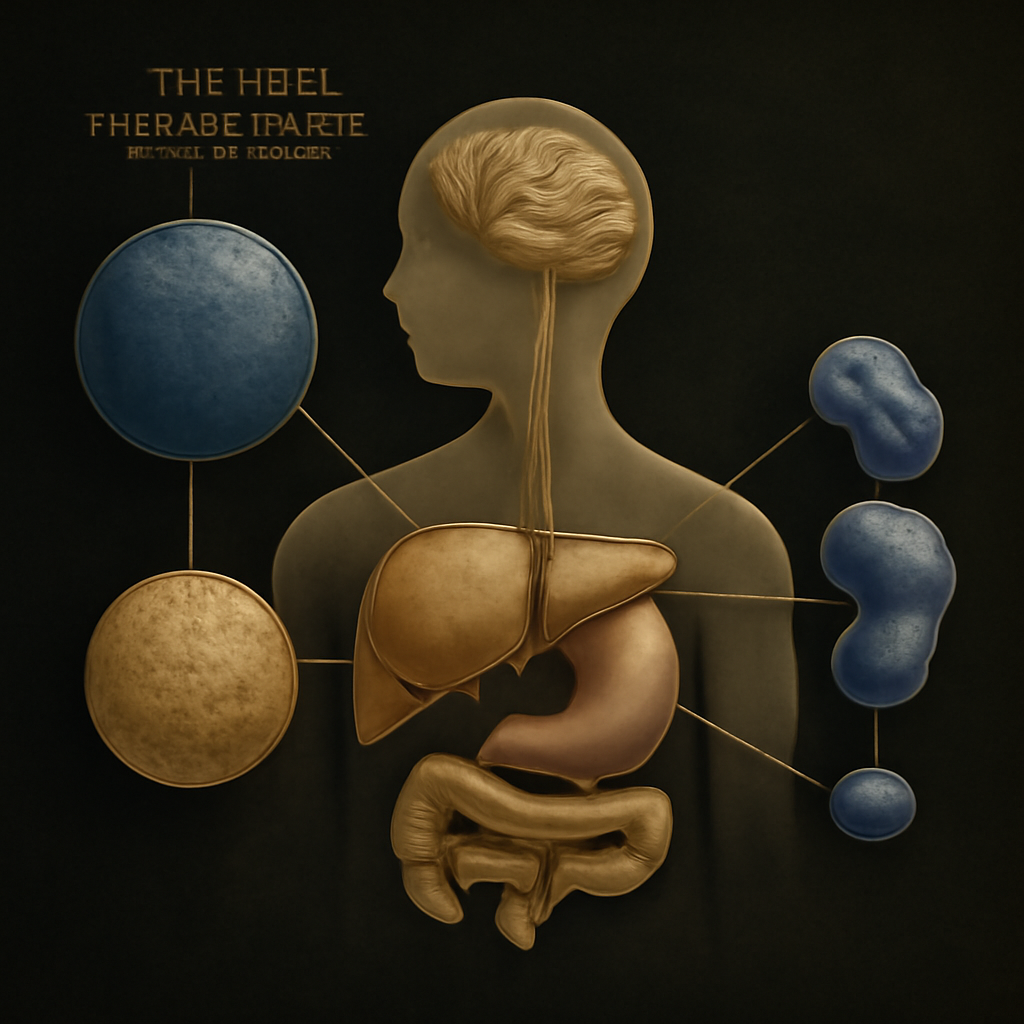
Imagine an engine surrounded by fuel, yet starving to death. This is the paradox of diabetic ketoacidosis, or DKA. It begins when the body experiences a critical shortage of insulin. Without this vital key to unlock our cells, glucose—the body's primary fuel—accumulates uselessly in the bloodstream. Desperate for energy, the body panics. It pivots to an emergency backup plan, burning fat reserves at an unsustainable, frantic pace.
But this emergency survival mode carries a toxic cost. The rapid breakdown of fat floods the system with acidic byproducts called ketones. As these acids build up, they quietly alter the blood's delicate chemical balance, turning it dangerously acidic. The body tries to flush them out, leading to severe dehydration and a critical loss of essential salts. Left untreated, this internal chemical storm shuts down vital organs. It is a quiet, systemic collapse.
✨
Wonder Moment
“When starved of insulin, the human body begins to rapidly digest its own fat reserves for survival, accidentally turning its own bloodstream dangerously acidic in the process.”
Reflect
If our cells can starve in the midst of a literal flood of sugar, what other physiological blind spots lie hidden within our survival mechanisms?
3 sources·Well-Established confidence·Investigated 8 Aug 2026(18 days ago)·Source-verified·May need refresh
Your next question, in
Visual Trail
See The Fuel Crisis: Inside Diabetic Ketoacidosis
A guided visual explanation assembled from QE artwork and sourced documentary images.
01 / 02
QE visual interpretation
Frame 01
The Fuel Crisis: Inside Diabetic Ketoacidosis
A life-threatening state where a lack of insulin forces the body to burn fat too fast, poisoning the blood with acidic ketones.
Image provenance and limitation
Source: AI-generated visual interpretation
Creator: Question Everything
Limitation: This image explains or evokes the subject. It is not documentary evidence and should not be used to verify a factual claim.
Evidence
What do we know?
Verified claims with confidence scoring and cited sources.
Living footnotes
Claims remain in the reading flow. Select a citation number to inspect the source behind it.
01
ObservationalSupported
Without insulin, the body cannot use glucose for energy and instead breaks down fat, producing acidic ketones.
Cells need glucose to live. But without insulin, glucose is locked out of the cells, stranded in the bloodstream. The body panics. It senses starvation. To survive, the liver rapidly breaks down fat reserves for energy. This emergency backup plan produces acidic compounds called ketones. When these ketones accumulate faster than the body can clear them, they build up to toxic levels, disrupting the delicate chemical balance of our blood.
02
AcademicSupported
Cerebral oedema is the most common cause of mortality and morbidity during the first day of conventional treatment for diabetic ketoacidosis in paediatric patients.
The danger of DKA does not end when treatment begins. During the first day of conventional therapy, pediatric patients face a silent, terrifying threat: cerebral oedema, or brain swelling. This occurs because water, which makes up about eighty percent of brain weight, shifts rapidly into the brain cells. It is driven by changes in blood osmolality as therapies alter the fluid compartments. It remains the most common cause of death during early DKA treatment in children.
03
AcademicSupported
Hyperglycemia and diabetic heart pathways trigger excessive reactive oxygen species generation, causing oxidative stress that leads to adverse tissue remodeling.
The cascade of high blood sugar and metabolic chaos reaches deep into the cardiovascular system. Excessive generation of reactive oxygen species, or free radicals, floods the diabetic heart. This massive wave of oxidative stress triggers adverse tissue remodeling. It damages cell organelles, disrupts calcium homeostasis, and can lead to cell death. Ultimately, this mitochondrial distress contributes directly to the development of diabetic cardiomyopathy, showing how metabolic emergencies scar vital organs.
The complete record below preserves every citation, confidence input and recorded limitation.
Read the full evidence record3 findings · citations · limitations
Evidence review3 findings3 openable sources
01
Finding 1 of 3Observational
0/1 verified
Without insulin, the body cannot use glucose for energy and instead breaks down fat, producing acidic ketones.
Cells need glucose to live. But without insulin, glucose is locked out of the cells, stranded in the bloodstream. The body panics. It senses starvation. To survive, the liver rapidly breaks down fat reserves for energy. This emergency backup plan produces acidic compounds called ketones. When these ketones accumulate faster than the body can clear them, they build up to toxic levels, disrupting the delicate chemical balance of our blood.
Supportedmodel score 95%
One source, not peer-reviewed. Thinner than the score suggests.
REFERENCE
›View sources and limits— 1 citation, limits
Supporting passage
Cells need glucose to live. But without insulin, glucose is locked out of the cells, stranded in the bloodstream. The body panics. It senses starvation. To survive, the liver rapidly breaks down fat reserves for energy. This emergency backup plan produces acidic compounds called ketones. When these ketones accumulate faster than the body can clear them, they build up to toxic levels, disrupting the delicate chemical balance of our blood.
Rests on a single source. No independent corroboration.
No peer-reviewed source among the citations.
The generator scored this 95%, which would read as “Established”. Its citations reach only “Supported”, so that is what is shown.
02
Finding 2 of 3Academic
1
0/1 verified
Cerebral oedema is the most common cause of mortality and morbidity during the first day of conventional treatment for diabetic ketoacidosis in paediatric patients.
The danger of DKA does not end when treatment begins. During the first day of conventional therapy, pediatric patients face a silent, terrifying threat: cerebral oedema, or brain swelling. This occurs because water, which makes up about eighty percent of brain weight, shifts rapidly into the brain cells. It is driven by changes in blood osmolality as therapies alter the fluid compartments. It remains the most common cause of death during early DKA treatment in children.
Supportedmodel score 92%
A single peer-reviewed source. No independent corroboration.
PRIMARY STUDY
›View sources and limits— 1 citation, limits
Supporting passage
The danger of DKA does not end when treatment begins. During the first day of conventional therapy, pediatric patients face a silent, terrifying threat: cerebral oedema, or brain swelling. This occurs because water, which makes up about eighty percent of brain weight, shifts rapidly into the brain cells. It is driven by changes in blood osmolality as therapies alter the fluid compartments. It remains the most common cause of death during early DKA treatment in children.
Rests on a single source. No independent corroboration.
The generator scored this 92%, which would read as “Established”. Its citations reach only “Supported”, so that is what is shown.
03
Finding 3 of 3Academic
1
0/1 verified
Hyperglycemia and diabetic heart pathways trigger excessive reactive oxygen species generation, causing oxidative stress that leads to adverse tissue remodeling.
The cascade of high blood sugar and metabolic chaos reaches deep into the cardiovascular system. Excessive generation of reactive oxygen species, or free radicals, floods the diabetic heart. This massive wave of oxidative stress triggers adverse tissue remodeling. It damages cell organelles, disrupts calcium homeostasis, and can lead to cell death. Ultimately, this mitochondrial distress contributes directly to the development of diabetic cardiomyopathy, showing how metabolic emergencies scar vital organs.
Supportedmodel score 90%
A single peer-reviewed source. No independent corroboration.
PRIMARY STUDY
›View sources and limits— 1 citation, limits
Supporting passage
The cascade of high blood sugar and metabolic chaos reaches deep into the cardiovascular system. Excessive generation of reactive oxygen species, or free radicals, floods the diabetic heart. This massive wave of oxidative stress triggers adverse tissue remodeling. It damages cell organelles, disrupts calcium homeostasis, and can lead to cell death. Ultimately, this mitochondrial distress contributes directly to the development of diabetic cardiomyopathy, showing how metabolic emergencies scar vital organs.
Rests on a single source. No independent corroboration.
The generator scored this 90%, which would read as “Established”. Its citations reach only “Supported”, so that is what is shown.
Interactive Exploration
Touch, drag, and discover
These visualizations respond to your curiosity. Interact to go deeper.
process flow
The Descent into Ketoacidosis
Insulin Deprivation
Emergency Fat Burning
Ketone Accumulation
Systemic Acidosis
comparison table
Nutritional Ketosis vs. Diabetic Ketoacidosis
Nutritional Ketosis
Diabetic Ketoacidosis
Insulin Levels
Low but present
Extremely low or absent
Blood Ketone Level
Typically 0.5 to 3.0 mmol/L
Often well above 3.0 mmol/L
Blood pH
Stays within normal range
Drops dangerously low (acidic)
Blood Glucose
Normal or slightly low
Extremely high (usually >240 mg/dL)
Tap any row to highlight and compare
Perspectives
How is this interpreted?
Enter a viewpoint. Notice what it reveals, what it leaves out, and whether it changes the question for you.
The EmpiricistScientific viewpointEstablished lens
Modern medicine views DKA as a profound failure of metabolic signaling rather than a simple sugar overload. The real culprit is the absolute or relative lack of insulin. This hormonal void blinds the body to the abundant glucose circulating in the blood. Cells literally starve in a land of plenty. This triggers an ancient, evolutionary backup protocol—fat burning—which was designed to save us during famines, but now runs wild without its biological brake.
What this lens notices
01Insulin deficiency is the primary driver, not high glucose alone
02The liver's ketogenic pathway is an evolutionary survival mechanism
03Without insulin signaling, the body cannot stop the fat-burning cascade
Application
Why does this matter to you?
Personal reflections and applications for your life.
Thought experimentPractical
How can you recognize the early, subtle warning signs of a metabolic emergency in yourself or a loved one?
Why it changes the question
DKA can develop incredibly quickly, often within twenty-four hours. Recognizing early signs like extreme thirst, frequent urination, or a fruity breath odor can save a life.
Try this
Learn the "sick day rules" for diabetes management and keep fresh ketone testing strips in your emergency first-aid kit.
Media
QE Smart Glass
Curated media selected for this investigation.
QE Glass
YOUTUBE
Short DKA vs. HHNS Video
SimpleNursing
FULL DKA vs. HHNS Video on our YouTube Channel here: https://youtu.be/NxUzNDg5nN4 Head to SimpleNursing's OFFICIAL ...
QE Glass
YOUTUBE
DKA vs. HHNS: Key Differences, Treatments, & NCLEX Tips
SimpleNursing
DKA and HHS are high-risk, high-yield topics on the NCLEX. Understanding how to quickly identify and treat each condition is ...
No AI help here — no suggestions, no autocomplete, nothing finishing your sentences. That is deliberate. Working out what you think is effortful, and the effort is the part that changes you: reasoning is trained like a muscle, and a muscle that is always carried gets weaker. Let something else do the thinking and you keep the answer but lose the capacity to have reached it.
Write your current position.
Not what the page says. What you think, having read it.0 words · Nothing written yet.
Sign in to leave a mark. Your draft is saved here in the meantime.