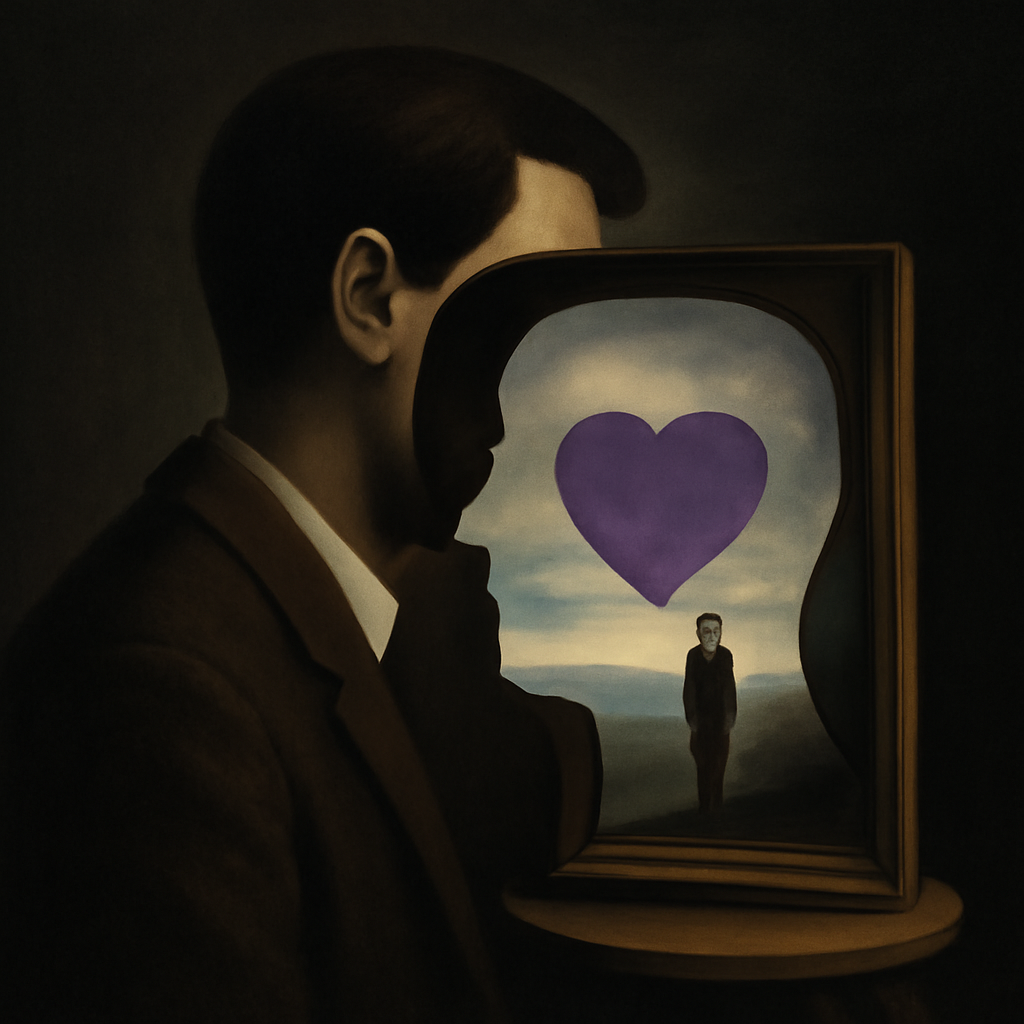
The Chemistry of Connection: Decoding the Architecture of Love
To the poet, love is an untameable fire; to the evolutionist, it is a cold, calculated survival strategy. For millennia, humanity has struggled to define this elusive force that drives us to write symphonies, wage wars, and seek shelter in the arms of another. Today, modern science is pulling back the curtain, revealing that what we call 'love' is not a single, mystical emotion, but a sophisticated suite of biological programs designed to ensure our survival and genetic legacy.
At its core, love is a masterfully orchestrated neurochemical symphony. From the initial spark of physical attraction to the quiet, decades-long comfort of deep companionship, our brains navigate a precise sequence of chemical cascades. By examining love through the lenses of neuroscience, evolutionary biology, and philosophy, we begin to see it as the ultimate bridge—a mechanism that co-opts our survival instincts to transform isolated individuals into cooperative, deeply bonded pairs and communities.
✨
Wonder Moment
“The physical pain of heartbreak uses the exact same neural circuitry as a broken bone. Evolution prioritized connection so fiercely that it wired our brains to treat social exclusion as an actual, physical emergency.”
Reflect
If love is simply a biological algorithm crafted by natural selection to keep our species alive, does realizing how the machine works make the magic of human connection less real—or does it make the choice to love anyway a profound act of human defiance?
Developing confidence·Investigated 18 Jun 2026(2 months ago)·Investigation may be outdated
Your next question, in
Visual Trail
See The Chemistry of Connection: Decoding the Architecture of Love
A guided visual explanation assembled from QE artwork and sourced documentary images.
01 / 05
QE visual interpretation
Frame 01
The Chemistry of Connection: Decoding the Architecture of Love
An exploration of love's biological blueprint, evolutionary architecture, and philosophical depth, revealing the science behind human connection.
Image provenance and limitation
Source: AI-generated visual interpretation
Creator: Question Everything
Limitation: This image explains or evokes the subject. It is not documentary evidence and should not be used to verify a factual claim.
Evidence
What do we know?
Verified claims with confidence scoring and cited sources.
Generated without source retrieval. QE did not fetch sources for this investigation, so no citation here was checked against a retrieved set. Claims reflect the model’s training data. 3 of 3 findings carry no openable link at all.
Living footnotes
Claims remain in the reading flow. Select a citation number to inspect the source behind it.
01
ExperimentalNot confirmed
Love is driven by three distinct neurochemical stages: lust, attraction, and attachment.
Dr. Helen Fisher's pioneering research using functional Magnetic Resonance Imaging (fMRI) demonstrated that romantic love is not a single emotion, but rather a set of three distinct, yet overlapping, brain systems. Lust is driven primarily by the sex hormones testosterone and estrogen, fueling the basic biological drive to reproduce. Attraction—the obsessive, early stage of romantic love—is fueled by a rush of dopamine, norepinephrine, and a drop in serotonin, mimicking the brain patterns of obsessive-compulsive disorder.
Finally, the long-term attachment stage is mediated by the neuropeptides oxytocin and vasopressin. These chemicals foster trust, security, and deep bonding, transitioning the frantic energy of early romance into a stable alliance. This distinct tripartite division explains why we can feel deep attachment to a long-term partner while simultaneously experiencing attraction or lust toward someone else.
02
ObservationalNot confirmed
The brain processes romantic rejection and physical pain through overlapping neural pathways.
Heartbreak is not merely a metaphor; the human brain registers romantic loss similarly to physical injury. Neuroimaging studies led by Dr. Naomi Eisenberger show that social exclusion and romantic rejection activate the anterior insula and the anterior cingulate cortex—the exact brain regions responsible for processing the distressing component of physical pain.
This evolutionary design suggests that social connection was so critical to the survival of early hominids that the brain co-opted its existing pain systems to warn us against isolation. Just as physical pain deters us from putting our hands in fire, emotional pain deters us from drifting away from the tribe or the partner who ensures our safety and offspring survival.
03
AcademicNot confirmed
Secure romantic attachment acts as a biological buffer against psychological and physical stress.
Decades of research in adult attachment theory demonstrate that having a secure, loving partner alters our physiological responses to threat. In studies involving hand-holding during stressful tasks, researchers observed that holding a spouse's hand significantly reduced threat-related neural activation in the hypothalamus.
This phenomenon, known as 'social baseline theory,' posits that the human brain expects social proximity and connection as its default state. When we are loved and supported, our brains expend fewer metabolic resources on self-defense, lowering baseline cortisol, reducing cardiovascular stress, and ultimately extending our life expectancy.
The complete record below preserves every citation, confidence input and recorded limitation.
Read the full evidence record3 findings · citations · limitations
Evidence review3 findings0 openable sources
01
Finding 1 of 3Experimental
0
0/0 verified
Love is driven by three distinct neurochemical stages: lust, attraction, and attachment.
Dr. Helen Fisher's pioneering research using functional Magnetic Resonance Imaging (fMRI) demonstrated that romantic love is not a single emotion, but rather a set of three distinct, yet overlapping, brain systems. Lust is driven primarily by the sex hormones testosterone and estrogen, fueling the basic biological drive to reproduce. Attraction—the obsessive, early stage of romantic love—is fueled by a rush of dopamine, norepinephrine, and a drop in serotonin, mimicking the brain patterns of obsessive-compulsive disorder.
Finally, the long-term attachment stage is mediated by the neuropeptides oxytocin and vasopressin. These chemicals foster trust, security, and deep bonding, transitioning the frantic energy of early romance into a stable alliance. This distinct tripartite division explains why we can feel deep attachment to a long-term partner while simultaneously experiencing attraction or lust toward someone else.
Not confirmedmodel score 95%
Written from the model's own knowledge. No source was retrieved or checked.
UNVERIFIED — NO RETRIEVAL
›View sources and limits— limits
Supporting passage
Dr. Helen Fisher's pioneering research using functional Magnetic Resonance Imaging (fMRI) demonstrated that romantic love is not a single emotion, but rather a set of three distinct, yet overlapping, brain systems. Lust is driven primarily by the sex hormones testosterone and estrogen, fueling the basic biological drive to reproduce. Attraction—the obsessive, early stage of romantic love—is fueled by a rush of dopamine, norepinephrine, and a drop in serotonin, mimicking the brain patterns of obsessive-compulsive disorder.
Finally, the long-term attachment stage is mediated by the neuropeptides oxytocin and vasopressin. These chemicals foster trust, security, and deep bonding, transitioning the frantic energy of early romance into a stable alliance. This distinct tripartite division explains why we can feel deep attachment to a long-term partner while simultaneously experiencing attraction or lust toward someone else.
Citations (0 of 1 survived verification)
Nothing openable. No sources were retrieved for this investigation, so none were checked.
What limits this
This investigation was generated without source retrieval. The model named a source but gave no link, and no verification step ran against it.
The claim reflects the model's training data, not a checked citation.
The generator scored this 95%, which would read as “Established”. Its citations reach only “Unresolved”, so that is what is shown.
02
Finding 2 of 3Observational
0/0 verified
The brain processes romantic rejection and physical pain through overlapping neural pathways.
Heartbreak is not merely a metaphor; the human brain registers romantic loss similarly to physical injury. Neuroimaging studies led by Dr. Naomi Eisenberger show that social exclusion and romantic rejection activate the anterior insula and the anterior cingulate cortex—the exact brain regions responsible for processing the distressing component of physical pain.
This evolutionary design suggests that social connection was so critical to the survival of early hominids that the brain co-opted its existing pain systems to warn us against isolation. Just as physical pain deters us from putting our hands in fire, emotional pain deters us from drifting away from the tribe or the partner who ensures our safety and offspring survival.
Not confirmedmodel score 92%
Written from the model's own knowledge. No source was retrieved or checked.
UNVERIFIED — NO RETRIEVAL
›View sources and limits— limits
Supporting passage
Heartbreak is not merely a metaphor; the human brain registers romantic loss similarly to physical injury. Neuroimaging studies led by Dr. Naomi Eisenberger show that social exclusion and romantic rejection activate the anterior insula and the anterior cingulate cortex—the exact brain regions responsible for processing the distressing component of physical pain.
This evolutionary design suggests that social connection was so critical to the survival of early hominids that the brain co-opted its existing pain systems to warn us against isolation. Just as physical pain deters us from putting our hands in fire, emotional pain deters us from drifting away from the tribe or the partner who ensures our safety and offspring survival.
Citations (0 of 1 survived verification)
Nothing openable. No sources were retrieved for this investigation, so none were checked.
What limits this
This investigation was generated without source retrieval. The model named a source but gave no link, and no verification step ran against it.
The claim reflects the model's training data, not a checked citation.
The generator scored this 92%, which would read as “Established”. Its citations reach only “Unresolved”, so that is what is shown.
03
Finding 3 of 3Academic
0
0/0 verified
Secure romantic attachment acts as a biological buffer against psychological and physical stress.
Decades of research in adult attachment theory demonstrate that having a secure, loving partner alters our physiological responses to threat. In studies involving hand-holding during stressful tasks, researchers observed that holding a spouse's hand significantly reduced threat-related neural activation in the hypothalamus.
This phenomenon, known as 'social baseline theory,' posits that the human brain expects social proximity and connection as its default state. When we are loved and supported, our brains expend fewer metabolic resources on self-defense, lowering baseline cortisol, reducing cardiovascular stress, and ultimately extending our life expectancy.
Not confirmedmodel score 94%
Written from the model's own knowledge. No source was retrieved or checked.
UNVERIFIED — NO RETRIEVAL
›View sources and limits— limits
Supporting passage
Decades of research in adult attachment theory demonstrate that having a secure, loving partner alters our physiological responses to threat. In studies involving hand-holding during stressful tasks, researchers observed that holding a spouse's hand significantly reduced threat-related neural activation in the hypothalamus.
This phenomenon, known as 'social baseline theory,' posits that the human brain expects social proximity and connection as its default state. When we are loved and supported, our brains expend fewer metabolic resources on self-defense, lowering baseline cortisol, reducing cardiovascular stress, and ultimately extending our life expectancy.
Citations (0 of 1 survived verification)
Nothing openable. No sources were retrieved for this investigation, so none were checked.
What limits this
This investigation was generated without source retrieval. The model named a source but gave no link, and no verification step ran against it.
The claim reflects the model's training data, not a checked citation.
The generator scored this 94%, which would read as “Established”. Its citations reach only “Unresolved”, so that is what is shown.
Interactive Exploration
Touch, drag, and discover
These visualizations respond to your curiosity. Interact to go deeper.
process flow
The Neurochemical Timeline of Love
Lust (The Spark)
Attraction (The Obsession)
Attachment (The Bond)
spectrum
The Greek Taxonomies of Love
Egotistical / Raw InstinctAltruistic / Selfless Connection
10%
Eros
30%
Ludus
60%
Philia
80%
Pragma
100%
Agape
statistics card
The Quantitative Power of Connection
50%
Survival Rate Increase
Strong social and romantic connections increase a person's likelihood of survival across a given period by half, outperforming the health benefits of quitting smoking.
20 Seconds
Oxytocin Release Trigger
The minimum duration of a physical hug required to stimulate meaningful oxytocin release, lowering heart rate and reducing cortisol.
85 Years
The Longest Study on Happiness
The Harvard Study of Adult Development proved that close relationships—not money, fame, or social class—are the primary drivers of health and happiness throughout life.
relationship map
The Chemical Symphony of the Mind
Mapping relationships…
Drag nodes to rearrange — tap for details
Visual Gallery
Images & artifacts
Historical images, diagrams, and visual knowledge from Wikimedia Commons.
Perspectives
How is this interpreted?
Enter a viewpoint. Notice what it reveals, what it leaves out, and whether it changes the question for you.
The EmpiricistScientific viewpointLive tension
From a purely evolutionary and neurobiological standpoint, love is a chemical trick designed to facilitate gene replication. Nature requires a mechanism to keep fragile hominid infants alive, which demands cooperation between parents. The brain achieves this by releasing a cocktail of neurochemicals that temporarily impair critical judgment, simulate obsession, and reward cooperative behavior. Love, in this view, is a highly functional survival adaptation—an evolutionary bribe to ensure we pass our genetic material to the next generation.
What this lens notices
01Dopamine pathways reward behaviors associated with partner selection.
02Oxytocin and vasopressin ensure long-term co-parenting cooperation.
03The cognitive bias of 'idealization' temporarily blinds us to a partner's flaws, facilitating pairing.
Application
Why does this matter to you?
Personal reflections and applications for your life.
Thought experimentBehavioural
How can you cultivate secure biological bonds in your daily relationships?
Why it changes the question
Because human attachment is deeply rooted in physical co-regulation, passive digital connection cannot substitute for physical presence. Eye contact, physical touch, and deep, synchronized breathing activate the vagus nerve and release oxytocin, lowering the partner's stress defenses.
Try this
Practice 20 seconds of uninterrupted hugging or eye contact with a loved one daily to lower stress hormones and trigger the release of bonding neuropeptides.
Media
QE Smart Glass
Curated media selected for this investigation.
QE Glass
YOUTUBE
How to love and be loved | Billy Ward | TEDxFoggyBottom
TEDx Talks
Through a story of one of his students, Billy shows the importance of loving others and of being loved. Billy Ward is a Licensed ...
QE Glass
YOUTUBE
What is love? - Brad Troeger
TED-Ed
View full lesson: http://ed.ted.com/lessons/what-is-love-brad-troeger Is love a signal winding through your neural pathways?
QE Glass
YOUTUBE
The difference between healthy and unhealthy love | Katie Hood | TED
TED
In a talk about understanding and practicing the art of healthy relationships, Katie Hood reveals the five signs you might be in an ...
QE Glass
YOUTUBE
Why do we love? A philosophical inquiry - Skye C. Cleary
TED-Ed
Does romantic love have a purpose? Explore five intriguing philosophical perspectives on why we love. -- Ah, romantic love ...
QE Glass
YOUTUBE
The science of falling in love - Shannon Odell
TED-Ed
Travel into the brain to see what happens when you fall in love and explore how the brain responds to heartbreak. -- Love is often ...
QE Glass
YOUTUBE
How Your Brain Falls In Love | Dawn Maslar | TEDxBocaRaton
TEDx Talks
NOTE FROM TED: This talk only represents the speaker's personal views and understanding of gender, love, and human ...
QE Glass
PODCAST
The Science of Love, Desire & Attachment | Huberman Lab Podcast
Andrew Huberman
A deep, neurobiological dive into how the brain coordinates chemical pathways to form romantic bonds, maintain desire, and navigate attachment.
QE Glass
YOUTUBE
The brain in love | Helen Fisher
TED
http://www.ted.com Why do we crave love so much, even to the point that we would die for it? To learn more about our very real, ...
Connected context
Connected entities
The people, places, concepts, and events that matter here.
Keep Going
Where this leads
Questions this investigation opens up — and what QE has already looked into.
No AI help here — no suggestions, no autocomplete, nothing finishing your sentences. That is deliberate. Working out what you think is effortful, and the effort is the part that changes you: reasoning is trained like a muscle, and a muscle that is always carried gets weaker. Let something else do the thinking and you keep the answer but lose the capacity to have reached it.
Write your current position.
Not what the page says. What you think, having read it.0 words · Nothing written yet.
Sign in to leave a mark. Your draft is saved here in the meantime.