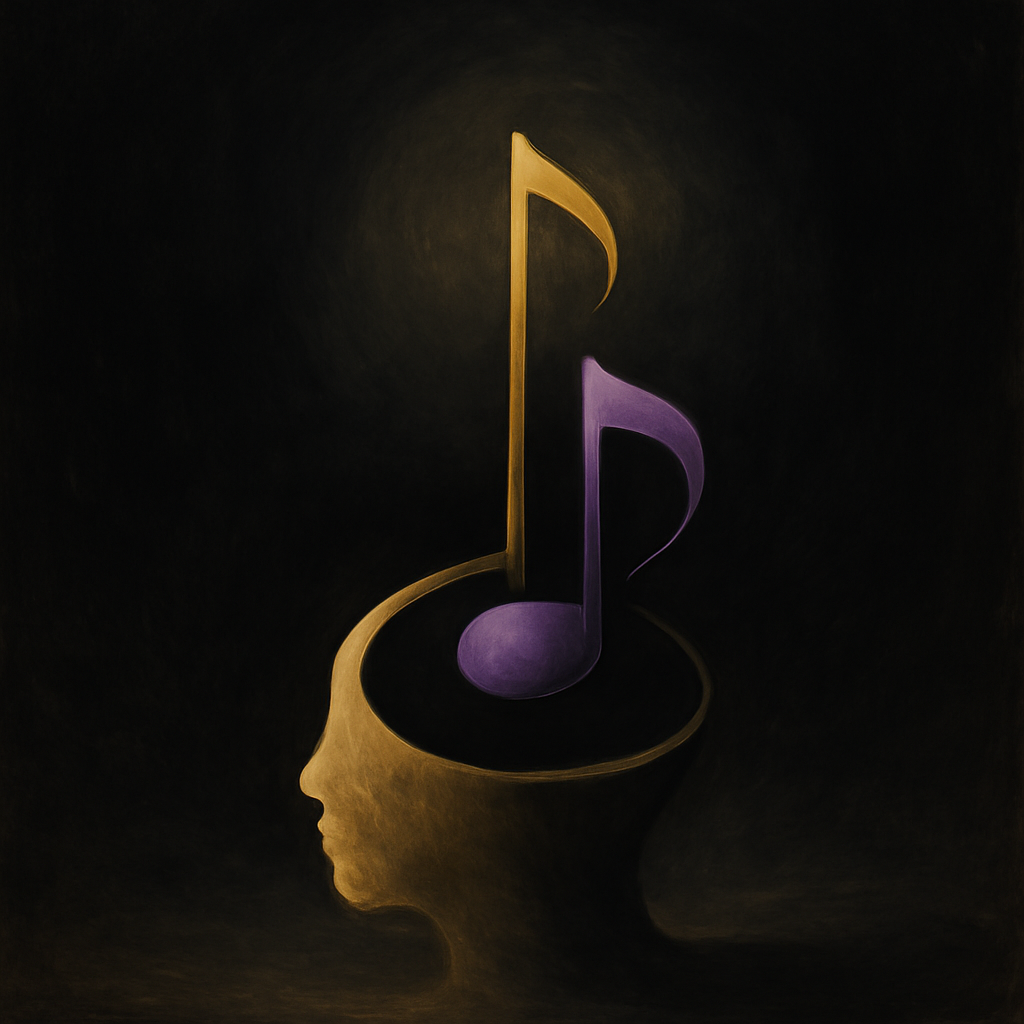
James Blake is a British singer, songwriter, and music producer known for blending electronic beats with deep, emotional vocals. He first caught attention in the early 2010s with his unique mix of electronic music and soul. His songs often feel like a quiet conversation, with soft piano, slow rhythms, and his smooth voice carrying the emotion. Think of it as music that feels both futuristic and personal at the same time.
Over the years, Blake has worked with big names like Beyoncé and Kendrick Lamar while keeping his own style fresh and thoughtful. His music can be chill and calming or deeply moving, perfect for both relaxing alone or thinking about life’s ups and downs. He’s a great example of how modern music can mix technology and heart to make something new and special.
✨
Wonder Moment
“James Blake blends electronic beats with soulful vocals to create a sound that's both modern and deeply emotional.”
Reflect
How does mixing electronic music with soul change the way we feel and connect to songs today?
1 source·Established confidence·Investigated 18 Aug 2026(9 days ago)·Source-verified·May need refresh
Your next question, in
Visual Trail
See James Blake: The Soulful Sound of Modern Music
A guided visual explanation assembled from QE artwork and sourced documentary images.
01 / 05
QE visual interpretation
Frame 01
James Blake: The Soulful Sound of Modern Music
James Blake is a British musician known for mixing electronic sounds with soulful singing and deep emotions.
Image provenance and limitation
Source: AI-generated visual interpretation
Creator: Question Everything
Limitation: This image explains or evokes the subject. It is not documentary evidence and should not be used to verify a factual claim.
Evidence
What do we know?
Verified claims with confidence scoring and cited sources.
1 of 3 findings need extra caution. Finding 2 rests on weaker sourcing than the other findings.
Living footnotes
Claims remain in the reading flow. Select a citation number to inspect the source behind it.
01
HistoricalSupported
James Blake's early music was experimental electronic influenced by UK bass styles like dubstep and 2-step garage.
In his first releases, James Blake used heavy electronic sounds and beats typical of UK bass music. He mixed these with processed vocals and deep bass frequencies, creating a style that was fresh and different from typical pop or electronic music at the time.
02
HistoricalNot confirmed
By his 2011 debut album, James Blake shifted to more traditional song structures with prominent vocals and piano.
The self-titled album showed Blake moving towards soulful singing and piano melodies, stepping away from purely electronic experiments. This change made his music more emotional and accessible while still keeping the unique sound of his earlier work.
03
ObservationalSupported
James Blake is known for his emotive, soulful light head voice and use of falsetto.
One of Blake's most distinctive features is his voice, which is light and emotional. He often sings in falsetto, a high, soft voice, which adds feeling and vulnerability to his songs. This vocal style helps connect listeners deeply to his music.
The complete record below preserves every citation, confidence input and recorded limitation.
Read the full evidence record3 findings · citations · limitations
Evidence review3 findings2 openable sources
01
Finding 1 of 3Historical
0/1 verified
James Blake's early music was experimental electronic influenced by UK bass styles like dubstep and 2-step garage.
In his first releases, James Blake used heavy electronic sounds and beats typical of UK bass music. He mixed these with processed vocals and deep bass frequencies, creating a style that was fresh and different from typical pop or electronic music at the time.
Supportedmodel score 90%
One source, not peer-reviewed. Thinner than the score suggests.
REFERENCE
›View sources and limits— 1 citation, limits
Supporting passage
In his first releases, James Blake used heavy electronic sounds and beats typical of UK bass music. He mixed these with processed vocals and deep bass frequencies, creating a style that was fresh and different from typical pop or electronic music at the time.
Rests on a single source. No independent corroboration.
No peer-reviewed source among the citations.
The generator scored this 90%, which would read as “Established”. Its citations reach only “Supported”, so that is what is shown.
02
Finding 2 of 3HistoricalNeeds caution
0/0 verified
By his 2011 debut album, James Blake shifted to more traditional song structures with prominent vocals and piano.
The self-titled album showed Blake moving towards soulful singing and piano melodies, stepping away from purely electronic experiments. This change made his music more emotional and accessible while still keeping the unique sound of his earlier work.
Not confirmedmodel score 30%
Scored as if sourced, but every citation failed verification.
NO SURVIVING CITATION
›View sources and limits— limits
Supporting passage
The self-titled album showed Blake moving towards soulful singing and piano melodies, stepping away from purely electronic experiments. This change made his music more emotional and accessible while still keeping the unique sound of his earlier work.
Citations (0 of 1 survived verification)
Nothing openable. Every citation was removed by provenance validation.
What limits this
All 1 citation on this claim failed verification and were removed. Nothing openable supports it.
03
Finding 3 of 3Observational
0/1 verified
James Blake is known for his emotive, soulful light head voice and use of falsetto.
One of Blake's most distinctive features is his voice, which is light and emotional. He often sings in falsetto, a high, soft voice, which adds feeling and vulnerability to his songs. This vocal style helps connect listeners deeply to his music.
Supportedmodel score 95%
One source, not peer-reviewed. Thinner than the score suggests.
REFERENCE
›View sources and limits— 1 citation, limits
Supporting passage
One of Blake's most distinctive features is his voice, which is light and emotional. He often sings in falsetto, a high, soft voice, which adds feeling and vulnerability to his songs. This vocal style helps connect listeners deeply to his music.
Rests on a single source. No independent corroboration.
No peer-reviewed source among the citations.
The generator scored this 95%, which would read as “Established”. Its citations reach only “Supported”, so that is what is shown.
Interactive Exploration
Touch, drag, and discover
These visualizations respond to your curiosity. Interact to go deeper.
hierarchy
James Blake's Musical Style Breakdown
Building hierarchy…
Tap nodes to explore the hierarchy
statistics card
James Blake's Career Highlights
2011
Year of debut album release
Marked his shift to more soulful, structured songs
3
Number of early experimental EPs
Showcased his electronic and UK bass music roots
37
James Blake's age in 2026
Active artist blending genres in modern music
Visual Gallery
Images & artifacts
Historical images, diagrams, and visual knowledge from Wikimedia Commons.
Perspectives
How is this interpreted?
Enter a viewpoint. Notice what it reveals, what it leaves out, and whether it changes the question for you.
The EmpiricistScientific viewpointEstablished lens
Music combining electronic sounds with soulful vocals engages different parts of the brain, blending rhythm and emotion. This mix can boost mood and create a strong emotional response, as electronic beats stimulate movement areas while soulful singing touches emotional centers.
What this lens notices
01Electronic rhythms activate motor areas in the brain.
03Combining both creates a fuller listening experience.
Application
Why does this matter to you?
Personal reflections and applications for your life.
Thought experimentSelf-Reflection
How does music that mixes different styles make you feel compared to pure electronic or pure soul music?
Why it changes the question
Thinking about how blended music touches you can reveal what kinds of sounds and emotions you respond to best, helping you discover new artists and songs that speak to you personally.
Try this
Listen to a James Blake song and then compare it to a classic soul track and a pure electronic track. Notice what feelings or memories each one brings up.
Media
QE Smart Glass
Curated media selected for this investigation.
QE Glass
YOUTUBE
JAMES BLAKE - CREATIVE PROCESS DEEP DIVE
Creative Minds
Any advice from Blake that you feel specifically, or rhymes/contrasts with your own process, be dope to hear from the ...
QE Glass
YOUTUBE
Why Breaking My Neck Was the Best Thing to Happen All Year | James Blake | Big Think
Big Think
Why Breaking My Neck Was the Best Thing to Happen All Year New videos DAILY: https://bigth.ink Join Big Think Edge for ...
QE Glass
YOUTUBE
Blake James' Philosophy on Athletes and Social Media
Teamworks NIL Education Center
Blake James talks about how student-athletes represent the brand of the University of Miami, and the value he finds in educating ...
QE Glass
YOUTUBE
LDS Philosophers Roundtable
FAIR
Blake Ostler, James E. Faulconer and Brian D. Birch roundtable discussion from the 2008 FAIR Conference.
QE Glass
YOUTUBE
I Only Know (What I know now) James Blake interpretation
CMFKuper
Narration: I left the office late and it was snowing; something completely unknown to me. Not foreign to me were the headphones ...
QE Glass
YOUTUBE
William Blake
English at Royal Holloway (TeacherHub.English)
In this video, Dr James Smith reflects on the figure of the child in Blake's work, and how innocence is used to circumvent adult ...
QE Glass
YOUTUBE
James Blake w/ Moses Sumney - Modern Soul - Live @ The Belasco Theatre 5-16-16 in HD
suprefan
QE Glass
PODCAST
James Blake on Making Music and Emotions
Song Exploder
James Blake talks about how he combines styles and emotions to create his distinct sound.
Connected context
Connected entities
The people, places, concepts, and events that matter here.
Keep Going
Where this leads
Questions this investigation opens up — and what QE has already looked into.
No AI help here — no suggestions, no autocomplete, nothing finishing your sentences. That is deliberate. Working out what you think is effortful, and the effort is the part that changes you: reasoning is trained like a muscle, and a muscle that is always carried gets weaker. Let something else do the thinking and you keep the answer but lose the capacity to have reached it.
Write your current position.
Not what the page says. What you think, having read it.0 words · Nothing written yet.
Sign in to leave a mark. Your draft is saved here in the meantime.