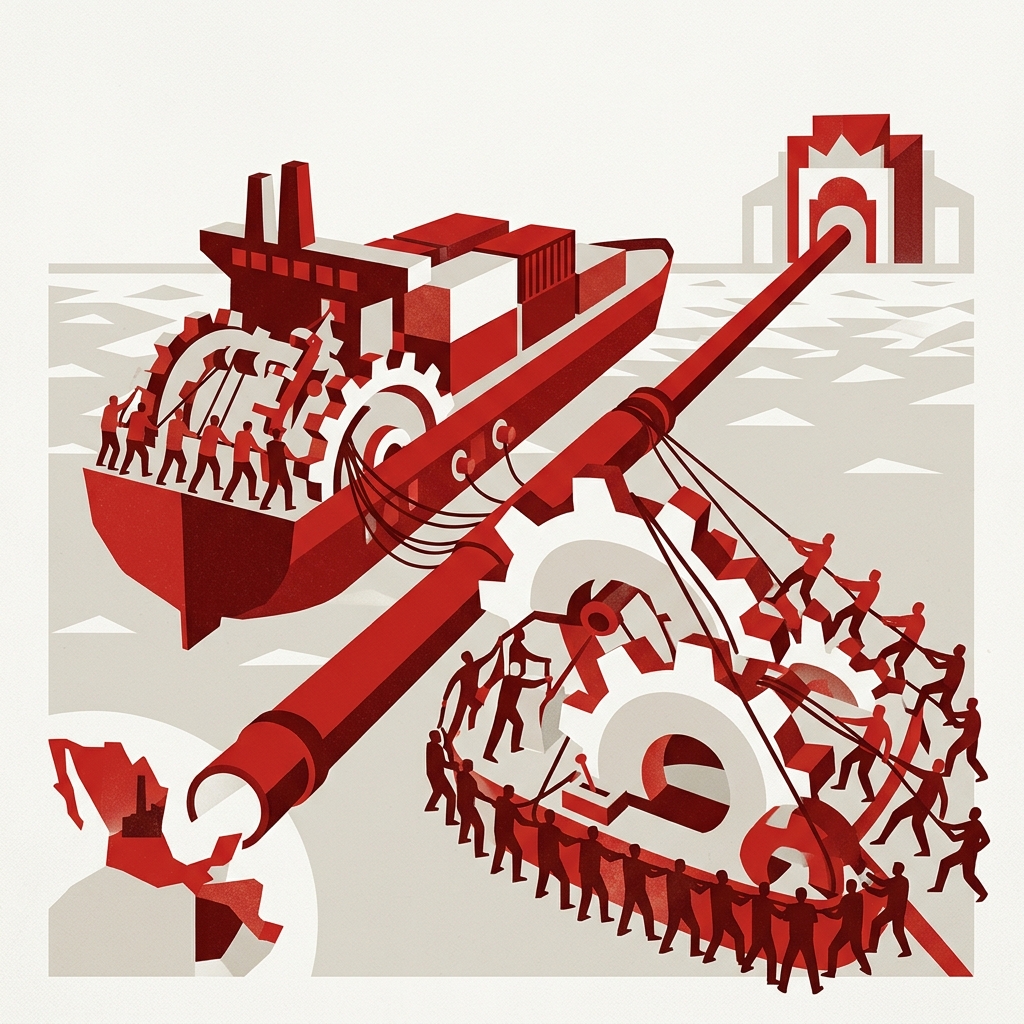
The Global Invisible Engine: Offshore Unskilled Work
Imagine waking up, opening an app, and finding a perfectly sorted inbox. Or calling customer support and talking to someone thousands of miles away. This is the world of offshore non-qualified work. It sounds complicated, but it just means jobs sent overseas that do not need a university degree. We are talking about data entry, basic customer service, or sorting through online photos. Companies in wealthy countries send this work to places like India or the Philippines because it costs much less.
For us, it is a cheap, fast service. For the people doing the work, it is a vital lifeline. A young student in Manila might spend their night typing numbers into a spreadsheet for a bank in New York. It is repetitive, tireless work. Yet, it connects different corners of our planet in a single, silent web. It is the hidden engine keeping our digital lives running smoothly.
“You can earn nearly double the average national wage in an entry-level offshore job with zero prior experience, provided you can pass a helicopter escape test.”
Reflect
If high-risk, entry-level physical labor pays more than many university-degree office jobs, what does that tell us about the true value of comfort versus danger?
See The Global Invisible Engine: Offshore Unskilled Work
A guided visual explanation assembled from QE artwork and sourced documentary images.
01 / 02
QE visual interpretation
Frame 01
The Global Invisible Engine: Offshore Unskilled Work
Jobs sent overseas that do not need special degrees, like call centers and data entry, which keep our global digital world running.
Image provenance and limitation
Source: AI-generated visual interpretation
Creator: Question Everything
Limitation: This image explains or evokes the subject. It is not documentary evidence and should not be used to verify a factual claim.
Evidence
What do we know?
Verified claims with confidence scoring and cited sources.
Living footnotes
Claims remain in the reading flow. Select a citation number to inspect the source behind it.
01
ObservationalNot confirmed
Entry-level offshore jobs do not require prior experience but do require strict safety and medical certifications.
You can get an offshore job on an oil rig or wind farm without any prior experience. However, you cannot just walk onto a ship. Every worker must pass intense safety courses. These include learning how to escape a helicopter underwater (HUET) and basic survival training (BOSIET). You also have to pass a strict medical exam to prove you are physically fit for the tough environment.
02
StatisticalNot confirmed
Entry-level offshore jobs pay significantly more than average onshore jobs.
Working out at sea is tough, so even starting jobs pay very well. In the UK, the average offshore worker earns about £62,500, which is nearly double the average onshore salary of £35,800. In the US, starting roles like a roustabout or galley hand pay between $150 and $275 a day. This high pay helps attract people to difficult and isolated work.
03
HistoricalNot confirmed
Offshore work relies on strict rotational schedules and tightly regulated hours.
Life offshore is a cycle of intense work and long breaks. A typical schedule is '14 days on and 14 days off.' You fly in by helicopter, work long shifts, and then get two full weeks at home. To keep workers safe, laws limit how much they can work. For example, European rules state that offshore workers cannot work more than 48 hours a week on average over a year.
The complete record below preserves every citation, confidence input and recorded limitation.
Read the full evidence record3 findings · citations · limitations
Evidence review3 findings6 openable sources
01
Finding 1 of 3Observational
0/2 verified
Entry-level offshore jobs do not require prior experience but do require strict safety and medical certifications.
You can get an offshore job on an oil rig or wind farm without any prior experience. However, you cannot just walk onto a ship. Every worker must pass intense safety courses. These include learning how to escape a helicopter underwater (HUET) and basic survival training (BOSIET). You also have to pass a strict medical exam to prove you are physically fit for the tough environment.
Not confirmedmodel score 30%
No source survived verification. Treat as unconfirmed.
REFERENCE ×2
›View sources and limits— 2 citations, limits
Supporting passage
You can get an offshore job on an oil rig or wind farm without any prior experience. However, you cannot just walk onto a ship. Every worker must pass intense safety courses. These include learning how to escape a helicopter underwater (HUET) and basic survival training (BOSIET). You also have to pass a strict medical exam to prove you are physically fit for the tough environment.
QE used this source because its retrieved passage directly addresses the claim. It appeared in 2 complementary searches.
“ortunities Submit Your CV Contact WRS Today ## Frequently Asked Questions ### Can I get entry level offshore jobs with no experience? Yes. Many entry-level offshore jobs exist specifically for candidates without prior offshore experience. However, safety certifications (BOSIET/FOET) and medical fitness certificates ar…”
This passage was selected for relevance. It has not been checked against the claim.
QE used this source because its retrieved passage directly addresses the claim.
“required alongside BOSIET Medical certificate — an offshore medical, such as OGUK or equivalent Role-specific certifications — for example, a welding certificate for welders, or a relevant engineering degree for technical roles Many entry-level roles do not require years of offshore experience. What they do require is…”
This passage was selected for relevance. It has not been checked against the claim.
Retrieved 30/09/2026
What limits this
No peer-reviewed source among the citations.
02
Finding 2 of 3Statistical
0/2 verified
Entry-level offshore jobs pay significantly more than average onshore jobs.
Working out at sea is tough, so even starting jobs pay very well. In the UK, the average offshore worker earns about £62,500, which is nearly double the average onshore salary of £35,800. In the US, starting roles like a roustabout or galley hand pay between $150 and $275 a day. This high pay helps attract people to difficult and isolated work.
Not confirmedmodel score 30%
No source survived verification. Treat as unconfirmed.
REFERENCE ×2
›View sources and limits— 2 citations, limits
Supporting passage
Working out at sea is tough, so even starting jobs pay very well. In the UK, the average offshore worker earns about £62,500, which is nearly double the average onshore salary of £35,800. In the US, starting roles like a roustabout or galley hand pay between $150 and $275 a day. This high pay helps attract people to difficult and isolated work.
QE used this source because its retrieved passage directly addresses the claim.
“What Entry-Level Jobs Actually Look Like Offshore crew performing anchor handling operations before rig positioning An offshore supply vessel pounds through rough seas with waves crashing over the bow — an honest reminder that offshore work is demanding, physical, and far from a vacation. This photo captures the gritt…”
This passage was selected for relevance. It has not been checked against the claim.
QE used this source because its retrieved passage directly addresses the claim.
“And luckily, as experts in oil and gas recruitment, our team are here to help you every step of the way. Keep reading to find out how to get oil rig jobs with no experience... ## Six Ways to Get an Oil Rig Job with No Experience #### 1. Start With Entry-Level Jobs [...] #### 6. Work offshore with onshore experience Fr…”
This passage was selected for relevance. It has not been checked against the claim.
Retrieved 30/09/2026
What limits this
No peer-reviewed source among the citations.
03
Finding 3 of 3Historical
2024
1 dated source
Offshore work relies on strict rotational schedules and tightly regulated hours.
Life offshore is a cycle of intense work and long breaks. A typical schedule is '14 days on and 14 days off.' You fly in by helicopter, work long shifts, and then get two full weeks at home. To keep workers safe, laws limit how much they can work. For example, European rules state that offshore workers cannot work more than 48 hours a week on average over a year.
Not confirmedmodel score 30%
No source survived verification. Treat as unconfirmed.
REFERENCE ×2
›View sources and limits— 2 citations, limits
Supporting passage
Life offshore is a cycle of intense work and long breaks. A typical schedule is '14 days on and 14 days off.' You fly in by helicopter, work long shifts, and then get two full weeks at home. To keep workers safe, laws limit how much they can work. For example, European rules state that offshore workers cannot work more than 48 hours a week on average over a year.
QE used this source because its retrieved passage directly addresses the claim.
“The precondition for work ashore in Denmark or elsewhere to be considered offshore work is that such work has been commenced within 24 hours after the end of the daily rest period following the time at which the employee left the transport terminal. This means that work typically commenced within 11 hours (the rest pe…”
This passage was selected for relevance. It has not been checked against the claim.
QE used this source because its retrieved passage directly addresses the claim.
“Offshore Isn’t a Cruise. It’s steel decks, early mornings, and long watches. But it’s also rotational freedom, real income, and a way out of dead-end work if you’re willing to earn it. If you’re serious about breaking in, start here. [Get Your Pathway ] ## Offshore Guides ### Your Pathway To High Paying Offshore Jobs…”
This passage was selected for relevance. It has not been checked against the claim.
Retrieved 30/09/2026
What limits this
No peer-reviewed source among the citations.
The reference archive
Sources & Further Reading
Continue exploring the research, reporting and reference material available on this subject.
These were found while researching this question but are not used as evidence for any claim above.
These visualizations respond to your curiosity. Interact to go deeper.
process flow
The Path to the Rig: From Land to Sea
Medical Fitness Exam
Basic Safety Training
Apply for Entry Roles
The First Hitch
statistics card
The Economics of Starting Offshore
£62,500
Average UK Offshore Salary
Compared to the UK national average of £35,800.
$150 - $275
Daily Starting Pay
Typical daily rate for entry-level roustabouts and galley hands.
14 Days
Standard Shift Rotation
Two weeks of continuous work followed by two weeks of complete rest.
Perspectives
How is this interpreted?
Enter a viewpoint. Notice what it reveals, what it leaves out, and whether it changes the question for you.
The EmpiricistScientific viewpointLive tension
From an economic and operational perspective, offshore hiring is a calculation of risk and reward. Companies pay high premiums for entry-level roles because the cost of operational downtime or safety accidents is catastrophic. By mandating standardized safety training rather than formal degrees, the industry maintains a flexible, highly capable workforce. This system proves that specific, hands-on safety skills are far more valuable in high-risk environments than traditional classroom education.
What this lens notices
01Standardized safety training reduces accident rates
02High pay offsets extreme physical demands
03Flexible hiring keeps rigs staffed 24/7
Application
Why does this matter to you?
Personal reflections and applications for your life.
Thought experimentSelf-Reflection
Would you trade comfort and daily contact with loved ones for financial freedom?
Why it changes the question
Offshore work offers high pay and half the year off, but at the cost of missing major family events and living in isolation. It forces us to define what kind of freedom we truly value.
Try this
Write down a list of your personal values, ranking wealth, comfort, family time, and adventure to see where you stand.
Media
QE Smart Glass
Curated media selected for this investigation.
QE Glass
YOUTUBE
The Economics of Owning a Offshore Oil Ring
DollarMotiveUsa 2.2M views • 1 hour ago ...
What does it really take to own an oil rig? Owning an oil rig sounds like a massive business opportunity—but behind the billions of ...
QE Glass
YOUTUBE
The Economics of Owning an Offshore Drilling Rig
The Money Side
What are the real economics of owning an offshore drilling rig? A modern drillship can earn hundreds of thousands of dollars per ...
QE Glass
YOUTUBE
Economic Substance for Offshore Holding Companies Explained
HPT Group
HPT Group designs and implements international holding, trust and company structures for entrepreneurs, investors and families ...
QE Glass
YOUTUBE
My morning routine on a offshore oil rig 🌊💰
fifo guide
If you're serious about heading over and looking to work in ANY sector of fifo where the base pay typically starts at 98k for ...
QE Glass
YOUTUBE
Life & Work in Extreme Conditions: This is Why Offshore Oil Rig Workers Earn High Salaries
Nauctis
Discovering the Highest Paying Jobs on Oil Rig Offshore: Don't Miss this Video - https://youtu.be/2NBvpO4EHN0" Credits: ...
QE Glass
YOUTUBE
Living on a stormy North Sea oil rig making $18,000 per month
fifo guide
Living on a North Sea oil rig. If you're serious about heading over and looking to work in ANY sector of fifo where the base pay ...
QE Glass
YOUTUBE
Life Inside Giant Offshore Oil Rig Producing $3.2 Million Worth of Oil Daily
Beyond Facts
Watch 142 workers risk their lives on an oil platform 200 miles from shore, where they'll spend 21 days straight without setting foot ...
QE Glass
PODCAST
The Reality of Offshore Rig Work
Extreme Careers Podcast
Interviews with real roustabouts and deckhands about the mental and physical challenges of working at sea.
Keep Going
Where this leads
Questions this investigation opens up — and what QE has already looked into.
No AI help here — no suggestions, no autocomplete, nothing finishing your sentences. That is deliberate. Working out what you think is effortful, and the effort is the part that changes you: reasoning is trained like a muscle, and a muscle that is always carried gets weaker. Let something else do the thinking and you keep the answer but lose the capacity to have reached it.
Write your current position.
Not what the page says. What you think, having read it.0 words · Nothing written yet.
Sign in to leave a mark. Your draft is saved here in the meantime.