The Boondocks: A Bold Animated Voice… | Question Everything
art76% confidencewell supported
24 min deep dive
Complexity
The Boondocks: A Bold Animated Voice on Race and Society
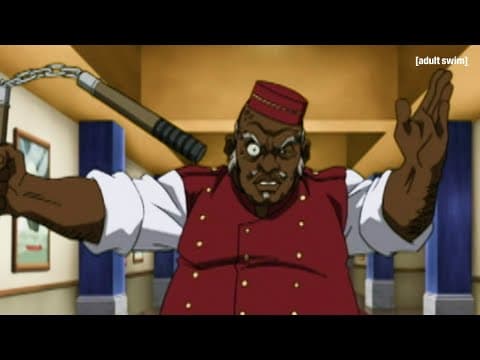
The Boondocks is an animated television show created by Aaron McGruder, based on his comic strip of the same name. Premiering in 2005, it quickly became known for its sharp satire and fearless tackling of race, politics, and culture in America. Set in the fictional suburb of Woodcrest, the story follows two young African American brothers, Huey and Riley Freeman, who navigate the complexities of identity, social injustice, and family dynamics with wit and boldness.
What makes The Boondocks stand out is its blend of humor and serious commentary. It uses animation not just for laughs, but as a powerful tool to challenge stereotypes and provoke thought. The show's mix of hip-hop culture, social critique, and clever storytelling has earned it a devoted following and sparked conversations about race relations and media representation. It remains a landmark in adult animation for its courage and creativity.
“The Boondocks transformed from a comic strip into a sharp, anime-inspired animated series that boldly satirized race, politics, and American culture.”
Reflect
How does blending animation with real-world social issues change the way we understand and discuss race and identity?
7 sources·Established confidence·Investigated 30 Aug 2026(today)·Source-verified
Your next question, in
Visual Trail
See The Boondocks: A Bold Animated Voice on Race and Society
A guided visual explanation assembled from QE artwork and sourced documentary images.
01 / 05
QE visual interpretation
Frame 01
The Boondocks: A Bold Animated Voice on Race and Society
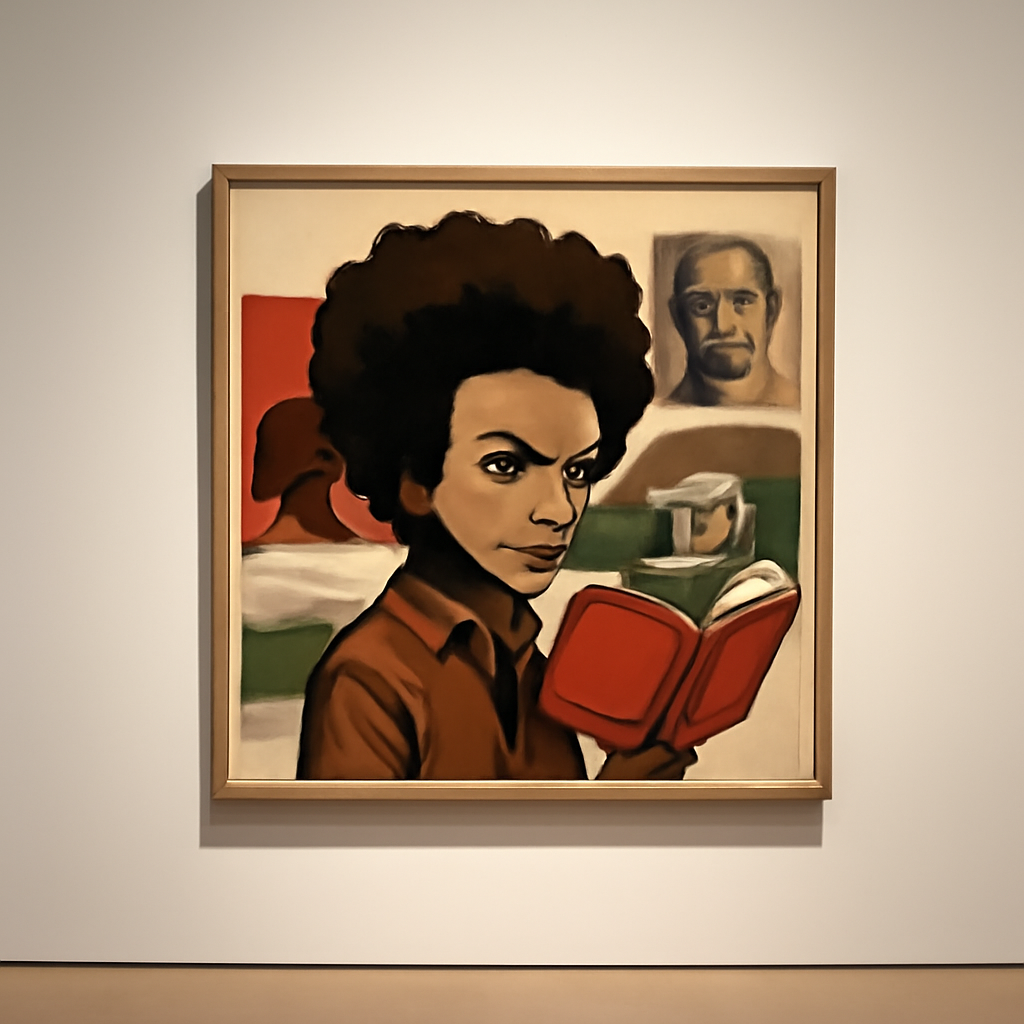
The Boondocks is a groundbreaking animated show that uses satire to explore race and society in America.
Image provenance and limitation
Source: AI-generated visual interpretation
Creator: Question Everything
Limitation: This image explains or evokes the subject. It is not documentary evidence and should not be used to verify a factual claim.
Evidence
What do we know?
Verified claims with confidence scoring and cited sources.
2 of 5 findings need extra caution. Finding 1, Finding 4 rest on weaker sourcing than the other findings.
Living footnotes
Claims remain in the reading flow. Select a citation number to inspect the source behind it.
01
HistoricalMixed evidence
The Boondocks animated series began airing in 2005 on Adult Swim, based on Aaron McGruder's comic strip.
Premiering on November 6, 2005, The Boondocks brought McGruder’s comic strip to television, capturing audiences with its unique blend of satire and social commentary. The show follows the Freeman family as they navigate life in a mostly white suburb, using sharp humor to explore racial tensions and cultural identity.
02
HistoricalWell supported
The show uses anime-inspired animation styles and fight scenes influenced by series like Samurai Champloo and Cowboy Bebop.
Aaron McGruder incorporated his love for Japanese anime into The Boondocks, drawing stylistic inspiration from Samurai Champloo and Cowboy Bebop. This influence is visible in the fluid fight sequences and opening credits, lending the show a dynamic edge unusual for American animated sitcoms. The animation quality improved further in later seasons through collaboration with South Korean studio Moi Animation.
03
AcademicWell supported
The Boondocks uses its characters to explore different archetypes of Black masculinity within a predominantly white society.
The show’s main characters each represent distinct ways Black men navigate a white-dominated world. Huey is the revolutionary thinker, Riley embraces hip-hop culture, Granddad is the conformist elder, Tom is the self-hating traitor, and Uncle Ruckus embodies extreme internalized racism. These archetypes create a complex narrative about survival, identity, and community.
04
HistoricalMixed evidence
The Boondocks won a Peabody Award in 2006 for its episode "Return of the King," highlighting its critical acclaim.
In 2006, The Boondocks received a Peabody Award, a prestigious honor recognizing excellence in storytelling and social impact. The award was given for the episode "Return of the King," which offered a profound satirical take on racial issues and civil rights, solidifying the show’s reputation as more than just comedy but a cultural critique.
05
AcademicWell supported
The Boondocks sparked conversations about race, politics, and media, influencing how satire is used to critique society.
As a satirical series, The Boondocks combined sharp humor with biting social commentary. It tackled topics like political hypocrisy, racial injustice, and cultural stereotypes. This approach inspired broader discussions about the role of satire in media and how comedy can reveal uncomfortable truths about society.
The complete record below preserves every citation, confidence input and recorded limitation.
Read the full evidence record5 findings · citations · limitations
Evidence review5 findings8 openable sources
01
Finding 1 of 5HistoricalNeeds caution
0/1 verified
The Boondocks animated series began airing in 2005 on Adult Swim, based on Aaron McGruder's comic strip.
Premiering on November 6, 2005, The Boondocks brought McGruder’s comic strip to television, capturing audiences with its unique blend of satire and social commentary. The show follows the Freeman family as they navigate life in a mostly white suburb, using sharp humor to explore racial tensions and cultural identity.
Mixed evidencemodel score 55%
Verification was mixed across 1 source.
REFERENCE
›View sources and limits— 1 citation, limits
Supporting passage
Premiering on November 6, 2005, The Boondocks brought McGruder’s comic strip to television, capturing audiences with its unique blend of satire and social commentary. The show follows the Freeman family as they navigate life in a mostly white suburb, using sharp humor to explore racial tensions and cultural identity.
1 of 2 citations failed verification and are not shown.
Rests on a single source. No independent corroboration.
No peer-reviewed source among the citations.
Verification was mixed — some citations supported the claim and some did not.
02
Finding 2 of 5Historical
2010
1 dated source
The show uses anime-inspired animation styles and fight scenes influenced by series like Samurai Champloo and Cowboy Bebop.
Aaron McGruder incorporated his love for Japanese anime into The Boondocks, drawing stylistic inspiration from Samurai Champloo and Cowboy Bebop. This influence is visible in the fluid fight sequences and opening credits, lending the show a dynamic edge unusual for American animated sitcoms. The animation quality improved further in later seasons through collaboration with South Korean studio Moi Animation.
Well supportedmodel score 90%
2 sources agree, 1 peer-reviewed.
REFERENCEPRIMARY STUDY
›View sources and limits— 2 citations, limits
Supporting passage
Aaron McGruder incorporated his love for Japanese anime into The Boondocks, drawing stylistic inspiration from Samurai Champloo and Cowboy Bebop. This influence is visible in the fluid fight sequences and opening credits, lending the show a dynamic edge unusual for American animated sitcoms. The animation quality improved further in later seasons through collaboration with South Korean studio Moi Animation.
Nothing further is recorded. QE stores no methodology field, so absence here is not a clean bill of health.
03
Finding 3 of 5Academic
2
0/2 verified
The Boondocks uses its characters to explore different archetypes of Black masculinity within a predominantly white society.
The show’s main characters each represent distinct ways Black men navigate a white-dominated world. Huey is the revolutionary thinker, Riley embraces hip-hop culture, Granddad is the conformist elder, Tom is the self-hating traitor, and Uncle Ruckus embodies extreme internalized racism. These archetypes create a complex narrative about survival, identity, and community.
Well supportedmodel score 90%
2 sources agree, 2 peer-reviewed.
PRIMARY STUDY ×2
›View sources and limits— 2 citations, limits
Supporting passage
The show’s main characters each represent distinct ways Black men navigate a white-dominated world. Huey is the revolutionary thinker, Riley embraces hip-hop culture, Granddad is the conformist elder, Tom is the self-hating traitor, and Uncle Ruckus embodies extreme internalized racism. These archetypes create a complex narrative about survival, identity, and community.
Nothing further is recorded. QE stores no methodology field, so absence here is not a clean bill of health.
04
Finding 4 of 5HistoricalNeeds caution
0/1 verified
The Boondocks won a Peabody Award in 2006 for its episode "Return of the King," highlighting its critical acclaim.
In 2006, The Boondocks received a Peabody Award, a prestigious honor recognizing excellence in storytelling and social impact. The award was given for the episode "Return of the King," which offered a profound satirical take on racial issues and civil rights, solidifying the show’s reputation as more than just comedy but a cultural critique.
Mixed evidencemodel score 55%
Verification was mixed across 1 source.
REFERENCE
›View sources and limits— 1 citation, limits
Supporting passage
In 2006, The Boondocks received a Peabody Award, a prestigious honor recognizing excellence in storytelling and social impact. The award was given for the episode "Return of the King," which offered a profound satirical take on racial issues and civil rights, solidifying the show’s reputation as more than just comedy but a cultural critique.
1 of 2 citations failed verification and are not shown.
Rests on a single source. No independent corroboration.
No peer-reviewed source among the citations.
Verification was mixed — some citations supported the claim and some did not.
05
Finding 5 of 5Academic
2
0/2 verified
The Boondocks sparked conversations about race, politics, and media, influencing how satire is used to critique society.
As a satirical series, The Boondocks combined sharp humor with biting social commentary. It tackled topics like political hypocrisy, racial injustice, and cultural stereotypes. This approach inspired broader discussions about the role of satire in media and how comedy can reveal uncomfortable truths about society.
Well supportedmodel score 90%
2 sources agree, 2 peer-reviewed.
PRIMARY STUDY ×2
›View sources and limits— 2 citations, limits
Supporting passage
As a satirical series, The Boondocks combined sharp humor with biting social commentary. It tackled topics like political hypocrisy, racial injustice, and cultural stereotypes. This approach inspired broader discussions about the role of satire in media and how comedy can reveal uncomfortable truths about society.
These visualizations respond to your curiosity. Interact to go deeper.
timeline
Key Milestones in The Boondocks' Development
Loading timeline…
relationship map
Cultural and Artistic Influences on The Boondocks
Mapping relationships…
Drag nodes to rearrange — tap for details
Visual Gallery
Images & artifacts
Historical images, diagrams, and visual knowledge from Wikimedia Commons.
Perspectives
How is this interpreted?
Enter a viewpoint. Notice what it reveals, what it leaves out, and whether it changes the question for you.
The EmpiricistScientific viewpointLive tension
From a media studies perspective, The Boondocks stands out as a case study in how animation can be a powerful vehicle for social critique. Its use of satirical narrative and visual style engages viewers cognitively and emotionally, promoting critical thinking about race and power structures. The blending of real social issues with dynamic animation techniques enhances both accessibility and impact.
What this lens notices
01Animation lowers barriers to discussing sensitive topics.
02Satire encourages reflection through humor.
03Visual storytelling reinforces complex cultural messages.
Application
Why does this matter to you?
Personal reflections and applications for your life.
Thought experimentSelf-Reflection
How do your own cultural experiences shape the way you understand humor and satire?
Why it changes the question
Recognizing your cultural lens helps you appreciate diverse viewpoints and the deeper messages behind satire. It can also reveal biases or blind spots in how you interpret social commentary.
Try this
Watch an episode of The Boondocks and note moments where your reaction surprises you or challenges your assumptions.
Media
QE Smart Glass
Curated media selected for this investigation.
QE Glass
YOUTUBE
Boondocks - Bob Ross and Riley police chase
Stixxits
This is the great ending of the "Riley Wuz Here" episode on the Boondocks where Bob Ross and Riley get chased by the police ...
QE Glass
YOUTUBE
Boondocks - Bob Ross and Riley police chase
Stixxits
This is the great ending of the "Riley Wuz Here" episode on the Boondocks where Bob Ross and Riley get chased by the police ...
QE Glass
YOUTUBE
How To Draw Huey Freeman | Step By Step | Boondocks
Art.Simple.
How To Draw Huey Freeman Step By Step from Boondocks Request, Message me -----} https://www.patreon.com/artsimple ...
QE Glass
YOUTUBE
How To Draw Huey Freeman | Step By Step | Boondocks
Art.Simple.
How To Draw Huey Freeman Step By Step from Boondocks Request, Message me -----} https://www.patreon.com/artsimple ...
QE Glass
YOUTUBE
Willie D Reacts To Boondocks Creator Aaron McGruder “DOOMSDAY” Message To Black People
Willie D Live
Subscribe To Willie D Live Conversations http://www.youtube.com/williedliveconversations Subscribe To The Willie D Live Audio ...
QE Glass
PODCAST
The Boondocks and the Art of Satire – A Cultural Analysis
Ologies
A deep dive into how The Boondocks uses satire to explore race, identity, and politics in modern America.
Keep Going
Where this leads
Questions this investigation opens up — and what QE has already looked into.
No AI help here — no suggestions, no autocomplete, nothing finishing your sentences. That is deliberate. Working out what you think is effortful, and the effort is the part that changes you: reasoning is trained like a muscle, and a muscle that is always carried gets weaker. Let something else do the thinking and you keep the answer but lose the capacity to have reached it.
Write your current position.
Not what the page says. What you think, having read it.0 words · Nothing written yet.
Sign in to leave a mark. Your draft is saved here in the meantime.