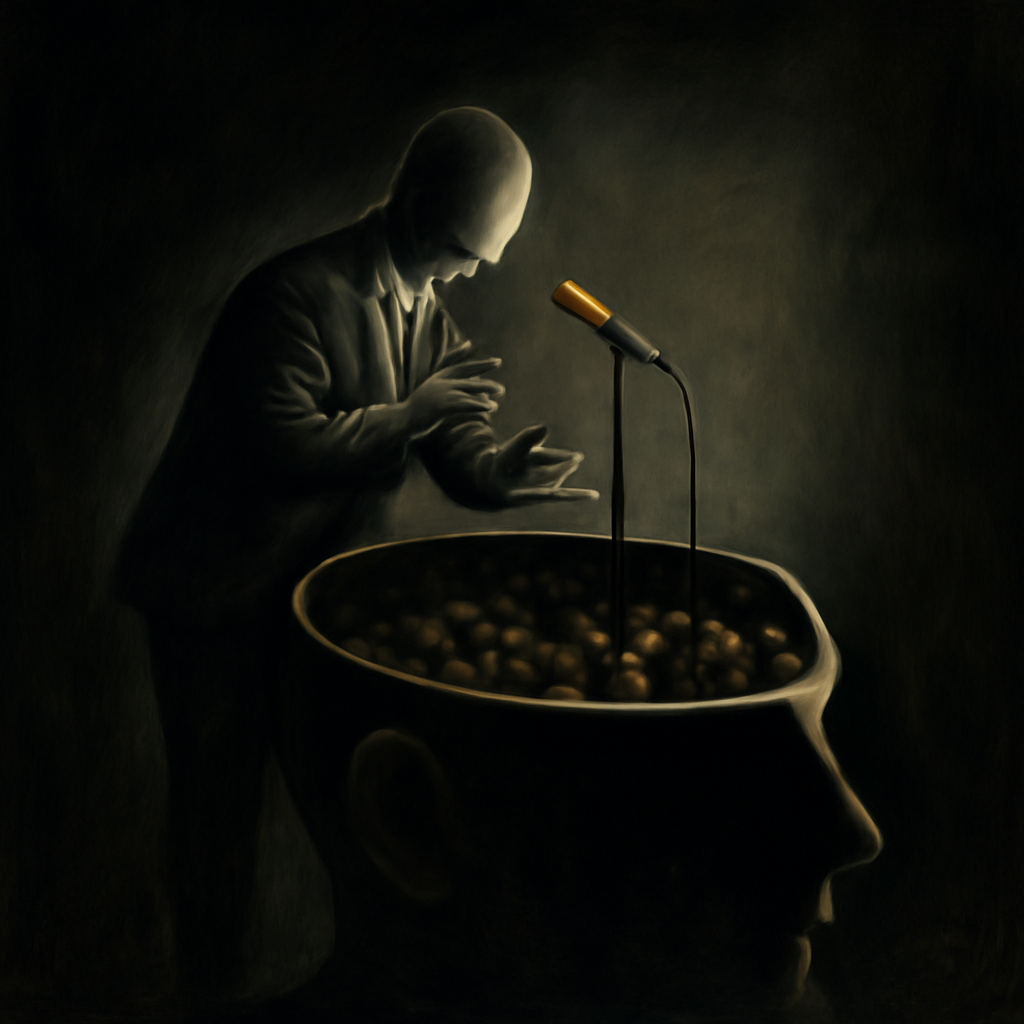
Stand-up comedy is a unique form of entertainment where a solo performer stands before an audience and delivers a series of humorous stories, observations, and jokes. Unlike other theatrical acts, the comedian relies solely on their words, timing, and presence to connect directly with the crowd. This art form has roots stretching back to vaudeville and minstrel shows, evolving into a modern expression of personal and social commentary. The power of stand-up lies in its immediacy—comedians respond to audience reactions in real time, creating a dynamic and shared experience of laughter.
Performing stand-up is both an art and a craft. Comedians prepare routines made up of 'bits'—short jokes or stories with a setup and punchline—woven into a narrative that builds toward a satisfying conclusion. They use techniques like timing, wordplay, and body language to heighten the humor. Success depends on more than just writing good jokes; it requires reading the room, interacting with the audience, and sometimes breaking the 'fourth wall' to create a sense of intimacy. This delicate balance between preparation and spontaneity is what makes stand-up comedy both challenging and electrifying.
“Stand-up comedy is a live conversation where the comedian and audience co-create laughter, making each show a unique experience.”
Reflect
If every stand-up show is unique, what does that tell us about the power of human connection and spontaneity in art?
Research·4 sources·Established confidence·Investigated 19 Jul 2026(2 months ago)·Grounded; verification trace not recorded·Investigation may be outdated
Your next question, in
Visual Trail
See Stand-Up Comedy: The Art of Making a Room Laugh
A guided visual explanation assembled from QE artwork and sourced documentary images.
01 / 05
QE visual interpretation
Frame 01
Stand-Up Comedy: The Art of Making a Room Laugh
Stand-up comedy is a solo performer telling jokes and stories live to make an audience laugh through timing and connection.
Image provenance and limitation
Source: AI-generated visual interpretation
Creator: Question Everything
Limitation: This image explains or evokes the subject. It is not documentary evidence and should not be used to verify a factual claim.
Evidence
What do we know?
Verified claims with confidence scoring and cited sources.
1 of 4 findings need extra caution. Finding 2 rests on weaker sourcing than the other findings.
Living footnotes
Claims remain in the reading flow. Select a citation number to inspect the source behind it.
01
HistoricalSupported
Stand-up comedy is a solo performance where a comedian speaks directly to an audience with the goal of making them laugh.
Stand-up comedy involves a single performer on stage who delivers humorous monologues, stories, and jokes directly to a live audience. This direct address creates an intimate connection, where the comic's timing and interaction with the crowd are crucial to the performance's success. Unlike other forms of comedy that use props or characters, stand-ups rely on language, expression, and presence to engage and entertain.
02
ObservationalNot confirmed
Comedians construct their performances using routines made of interconnected jokes or 'bits' that build a narrative and culminate in a strong closing joke.
A stand-up routine is carefully crafted from multiple jokes or bits, each consisting of a setup and a punchline. These bits are linked by conversational transitions to maintain flow and keep the audience engaged. The routine typically builds toward a 'closer'—a final, impactful joke that ties together themes and leaves the audience satisfied. This structure allows comedians to deliver a cohesive, entertaining show rather than just isolated jokes.
03
ExperimentalWell supported
Successful stand-up comedy depends on a comedian’s ability to read and interact with the audience in real time.
A defining feature of stand-up is the live interaction between comedian and audience. Comedians adjust their delivery, timing, and sometimes content based on audience reactions. This dynamic exchange creates a feeling of 'liveness' and intimacy. Skilled performers often break the 'fourth wall,' acknowledging the audience directly and creating a shared experience that is different every night.
04
HistoricalSupported
Stand-up comedy has its historical roots in vaudeville, minstrel shows, and early 20th-century variety theatre.
The art form evolved from vaudeville and minstrel shows where performers would entertain large audiences with comic monologues and acts. Early stand-up comedians performed in front of stage curtains, a style called 'front cloth' comedy, which emphasized solo delivery without costumes or props. Over time, stand-up became more about personal storytelling and social commentary, reflecting cultural changes.
The complete record below preserves every citation, confidence input and recorded limitation.
Read the full evidence record4 findings · citations · limitations
Evidence review4 findings4 openable sources
01
Finding 1 of 4Historical
0/1 verified
Stand-up comedy is a solo performance where a comedian speaks directly to an audience with the goal of making them laugh.
Stand-up comedy involves a single performer on stage who delivers humorous monologues, stories, and jokes directly to a live audience. This direct address creates an intimate connection, where the comic's timing and interaction with the crowd are crucial to the performance's success. Unlike other forms of comedy that use props or characters, stand-ups rely on language, expression, and presence to engage and entertain.
Supportedmodel score 95%
One source, not peer-reviewed. Thinner than the score suggests.
REFERENCE
›View sources and limits— 1 citation, limits
Supporting passage
Stand-up comedy involves a single performer on stage who delivers humorous monologues, stories, and jokes directly to a live audience. This direct address creates an intimate connection, where the comic's timing and interaction with the crowd are crucial to the performance's success. Unlike other forms of comedy that use props or characters, stand-ups rely on language, expression, and presence to engage and entertain.
Rests on a single source. No independent corroboration.
No peer-reviewed source among the citations.
The generator scored this 95%, which would read as “Established”. Its citations reach only “Supported”, so that is what is shown.
02
Finding 2 of 4ObservationalNeeds caution
0/0 verified
Comedians construct their performances using routines made of interconnected jokes or 'bits' that build a narrative and culminate in a strong closing joke.
A stand-up routine is carefully crafted from multiple jokes or bits, each consisting of a setup and a punchline. These bits are linked by conversational transitions to maintain flow and keep the audience engaged. The routine typically builds toward a 'closer'—a final, impactful joke that ties together themes and leaves the audience satisfied. This structure allows comedians to deliver a cohesive, entertaining show rather than just isolated jokes.
Not confirmedmodel score 30%
Scored as if sourced, but every citation failed verification.
NO SURVIVING CITATION
›View sources and limits— limits
Supporting passage
A stand-up routine is carefully crafted from multiple jokes or bits, each consisting of a setup and a punchline. These bits are linked by conversational transitions to maintain flow and keep the audience engaged. The routine typically builds toward a 'closer'—a final, impactful joke that ties together themes and leaves the audience satisfied. This structure allows comedians to deliver a cohesive, entertaining show rather than just isolated jokes.
Citations (0 of 2 survived verification)
Nothing openable. Every citation was removed by provenance validation.
What limits this
All 2 citations on this claim failed verification and were removed. Nothing openable supports it.
03
Finding 3 of 4Experimental
2
0/2 verified
Successful stand-up comedy depends on a comedian’s ability to read and interact with the audience in real time.
A defining feature of stand-up is the live interaction between comedian and audience. Comedians adjust their delivery, timing, and sometimes content based on audience reactions. This dynamic exchange creates a feeling of 'liveness' and intimacy. Skilled performers often break the 'fourth wall,' acknowledging the audience directly and creating a shared experience that is different every night.
Well supportedmodel score 90%
2 sources agree, 1 peer-reviewed.
PRIMARY STUDYREFERENCE
›View sources and limits— 2 citations, limits
Supporting passage
A defining feature of stand-up is the live interaction between comedian and audience. Comedians adjust their delivery, timing, and sometimes content based on audience reactions. This dynamic exchange creates a feeling of 'liveness' and intimacy. Skilled performers often break the 'fourth wall,' acknowledging the audience directly and creating a shared experience that is different every night.
Nothing further is recorded. QE stores no methodology field, so absence here is not a clean bill of health.
04
Finding 4 of 4Historical
0/1 verified
Stand-up comedy has its historical roots in vaudeville, minstrel shows, and early 20th-century variety theatre.
The art form evolved from vaudeville and minstrel shows where performers would entertain large audiences with comic monologues and acts. Early stand-up comedians performed in front of stage curtains, a style called 'front cloth' comedy, which emphasized solo delivery without costumes or props. Over time, stand-up became more about personal storytelling and social commentary, reflecting cultural changes.
Supportedmodel score 90%
One source, not peer-reviewed. Thinner than the score suggests.
REFERENCE
›View sources and limits— 1 citation, limits
Supporting passage
The art form evolved from vaudeville and minstrel shows where performers would entertain large audiences with comic monologues and acts. Early stand-up comedians performed in front of stage curtains, a style called 'front cloth' comedy, which emphasized solo delivery without costumes or props. Over time, stand-up became more about personal storytelling and social commentary, reflecting cultural changes.
1 of 2 citations failed verification and are not shown.
Rests on a single source. No independent corroboration.
No peer-reviewed source among the citations.
The generator scored this 90%, which would read as “Established”. Its citations reach only “Supported”, so that is what is shown.
Interactive Exploration
Touch, drag, and discover
These visualizations respond to your curiosity. Interact to go deeper.
timeline
Evolution of Stand-Up Comedy
Loading timeline…
process flow
How Comedians Build a Stand-Up Routine
Writing Jokes
Testing Material
Refining Transitions
Establishing Persona
Performing Live
statistics card
Stand-Up Comedy Facts
3-5 minutes
Typical length of beginner comedy sets
Short sets allow new comedians to practice and test jokes.
1950s
Decade when modern stand-up styles emerged
Era of comedians like Lenny Bruce and George Carlin.
1
Number of performers on stage during a stand-up act
Stand-up is usually a solo performance.
spectrum
Range of Humor Styles in Stand-Up
Clean, family-friendlyEdgy, controversial
20%
Jerry Seinfeld
70%
Dave Chappelle
30%
Steven Wright
Visual Gallery
Images & artifacts
Historical images, diagrams, and visual knowledge from Wikimedia Commons.
Perspectives
How is this interpreted?
Enter a viewpoint. Notice what it reveals, what it leaves out, and whether it changes the question for you.
The EmpiricistScientific viewpointLive tension
From a psychological standpoint, stand-up comedy involves a complex dance of social signals between the performer and the audience. Comedians use gestures, gaze, timing, and language to provoke laughter, while the audience responds with subtle cues that guide the performance. This interaction is so nuanced that even humanoid robots programmed to mimic comedians must carefully calibrate their gestures to succeed. The comedian’s ability to 'work' the crowd is a finely honed skill that blends verbal intelligence with emotional awareness.
What this lens notices
01Comedy depends on coordinated social signals like gaze and gesture.
02Audience reactions provide real-time feedback that shapes performance.
03Humanoid robot experiments show the importance of nonverbal cues.
Application
Why does this matter to you?
Personal reflections and applications for your life.
Thought experimentSelf-Reflection
How do you respond to humor in social settings?
Why it changes the question
Understanding what makes you laugh and why can deepen your appreciation for stand-up comedy. It reveals your cultural background, personal values, and emotional triggers, all of which shape your experience of humor.
Try this
Try watching a stand-up special and note which jokes resonate or fall flat for you, then consider why.
Media
QE Smart Glass
Curated media selected for this investigation.
QE Glass
YOUTUBE
How the English language would sound if silent letters weren’t silent - BBC
BBC
Who else wants a Silent Letter Day? ♀️ #MichaelMcIntyre celebrates 25 years of stand-up comedy with a special recording ...
QE Glass
YOUTUBE
Funny On Purpose: The History of Stand-Up Comedy
Jangles ScienceLad
The history of stand-up comedy, from Mark Twain to YouTube. Twitter: twitter.com/sjwdebates Patreon: patreon.com/sjwdebates ...
QE Glass
YOUTUBE
Philosophy of Comedy: comedic techniques
PhilosoFun
What makes a joke funny? This video essay looks at the structure of a joke and takes a closer look at supplementary techniques ...
QE Glass
YOUTUBE
What It Takes to Make It as a Stand-Up Comedian - This Is Stand-Up
Comedy Central Stand-Up
Comics explain the grueling process of starting out at open mics, and Taylor Tomlinson shares how doing stand-up is a lot like ...
QE Glass
YOUTUBE
Jerry Seinfeld Interview: How to Write a Joke | The New York Times
The New York Times
Jerry Seinfeld describes the anatomy of his Pop-Tart joke, still a work in progress, and shows his longhand writing process.
QE Glass
YOUTUBE
Stand-Up Comedy Best Moments
Comedy Central
A curated collection showcasing different styles and delivery of stand-up comedy.
QE Glass
YOUTUBE
Casually Explained: Stand-up Comedy
Casually Explained
Go to https://expressvpn.com/casuallyexplained and find out how you can get 3 months free. Postive comments only, all hecklers ...
QE Glass
PODCAST
The Comedian’s Comedian Podcast
Stitcher
In-depth conversations with comedians about their craft and process.
Connected context
Connected entities
The people, places, concepts, and events that matter here.
Keep Going
Where this leads
Questions this investigation opens up — and what QE has already looked into.
No AI help here — no suggestions, no autocomplete, nothing finishing your sentences. That is deliberate. Working out what you think is effortful, and the effort is the part that changes you: reasoning is trained like a muscle, and a muscle that is always carried gets weaker. Let something else do the thinking and you keep the answer but lose the capacity to have reached it.
Write your current position.
Not what the page says. What you think, having read it.0 words · Nothing written yet.
Sign in to leave a mark. Your draft is saved here in the meantime.