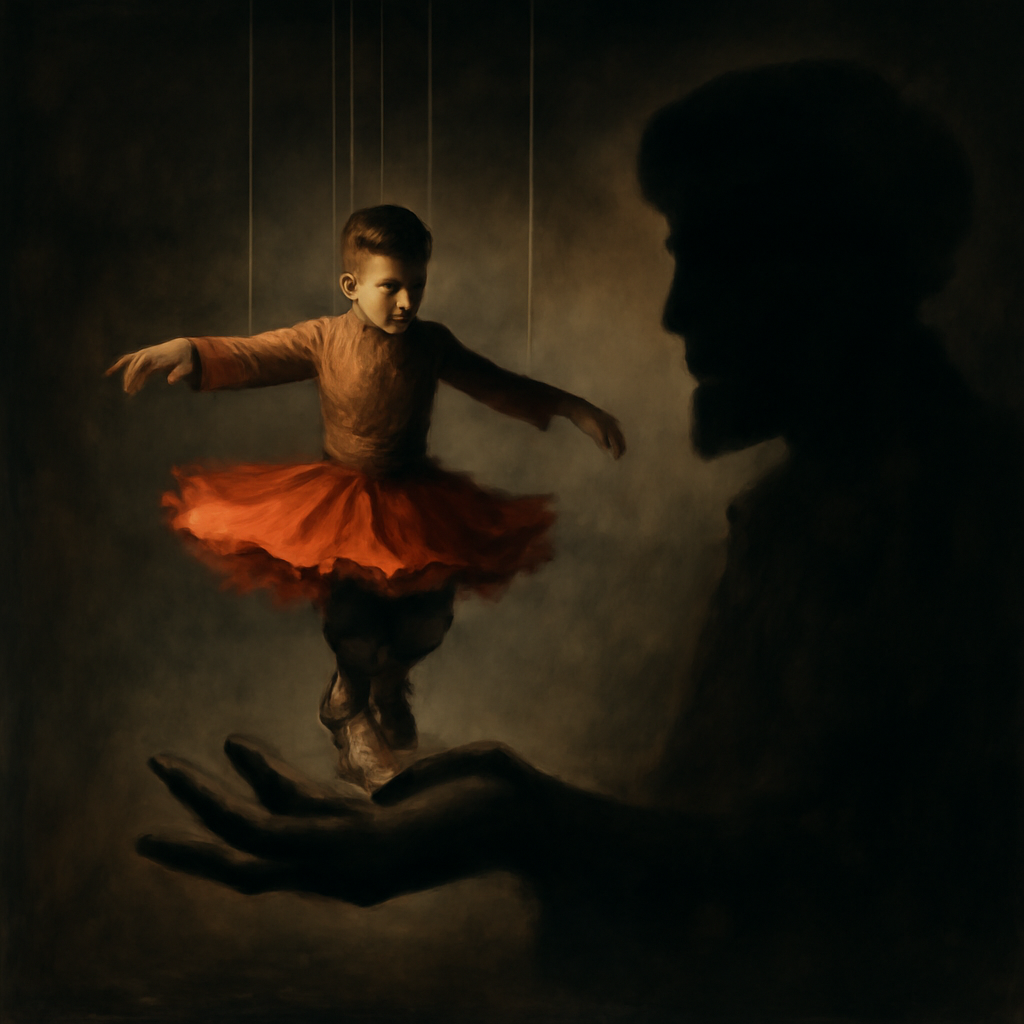
Bacha Bazi: The Hidden and Harmful Tradition of Child Dancing
Bacha bazi is a disturbing practice found mostly in parts of Afghanistan and some nearby areas. It involves young boys, sometimes as young as 10, who are dressed in women's clothes and made to dance for older men. These boys are often exploited and abused, with their dancing hiding a darker reality of forced servitude and sexual abuse. This tradition, though illegal in many places, sadly still exists due to poverty, weak law enforcement, and cultural acceptance in some communities.
The practice has deep roots, going back many years, but it clashes strongly with modern ideas of children's rights and protection. Efforts to stop bacha bazi face many challenges. Those involved often live in fear, and speaking out can be dangerous. International groups and local activists work hard to raise awareness and help victims, hoping to end this harmful tradition once and for all.
“Bacha bazi is not just a dance; it's a hidden form of child abuse affecting hundreds of boys who lose their childhood.”
Reflect
How do we decide which traditions to keep and which to change when they harm the most vulnerable?
3 sources·Established confidence·Investigated 16 Jul 2026(1 month ago)·Investigation may be outdated
Your next question, in
Visual Trail
See Bacha Bazi: The Hidden and Harmful Tradition of Child Dancing
A guided visual explanation assembled from QE artwork and sourced documentary images.
01 / 05
QE visual interpretation
Frame 01
Bacha Bazi: The Hidden and Harmful Tradition of Child Dancing
Bacha bazi is a harmful tradition where young boys are forced to dance and suffer abuse, mainly in Afghanistan.
Image provenance and limitation
Source: AI-generated visual interpretation
Creator: Question Everything
Limitation: This image explains or evokes the subject. It is not documentary evidence and should not be used to verify a factual claim.
Evidence
What do we know?
Verified claims with confidence scoring and cited sources.
Generated without source retrieval. QE did not fetch sources for this investigation, so no citation here was checked against a retrieved set. Claims reflect the model’s training data. 1 of 4 findings carry no openable link at all.
1 of 4 findings need extra caution. Finding 3 rests on weaker sourcing than the other findings.
Living footnotes
Claims remain in the reading flow. Select a citation number to inspect the source behind it.
01
ObservationalSupported
Bacha bazi involves young boys dressed as girls who dance and are sexually exploited by older men.
In regions where bacha bazi occurs, boys typically between 10 and 18 years old are dressed in female clothing and made to perform dances for groups of men. Beyond dancing, these boys are often forced into sexual relationships with their 'owners' or patrons. This exploitation is a form of child sexual abuse hidden under the guise of cultural entertainment. The boys usually come from poor families and are vulnerable to coercion or force.
02
HistoricalSupported
Bacha bazi is illegal in Afghanistan but still persists due to weak law enforcement and cultural tolerance.
Afghan law outlawed bacha bazi years ago, recognizing it as child abuse. However, enforcement is weak in many areas, especially where powerful local leaders support or participate in the practice. Cultural norms in some communities have allowed it to continue silently. Victims and their families often do not report abuse out of fear, shame, or economic dependence. This makes combating bacha bazi difficult for authorities and human rights groups.
03
AcademicNot confirmed
Bacha bazi has serious psychological and physical effects on the boys involved.
The boys forced into bacha bazi often suffer trauma from abuse and exploitation. Many experience fear, depression, and a loss of childhood. The physical abuse and risky conditions can lead to long-term health problems. Psychologists emphasize the urgent need for protection and rehabilitation for these victims to help them recover from the harm they have endured.
04
ObservationalSupported
International organizations and Afghan activists are working to end bacha bazi.
Groups like UNICEF and Human Rights Watch have brought international attention to bacha bazi. Afghan activists also work on the ground, offering education, legal aid, and support to victims. Their work faces many challenges, but it is vital to change attitudes and protect children. Programs focus on raising awareness, helping victims find safety, and pushing for stronger law enforcement.
The complete record below preserves every citation, confidence input and recorded limitation.
Read the full evidence record4 findings · citations · limitations
Evidence review4 findings3 openable sources
01
Finding 1 of 4Observational
0/1 verified
Bacha bazi involves young boys dressed as girls who dance and are sexually exploited by older men.
In regions where bacha bazi occurs, boys typically between 10 and 18 years old are dressed in female clothing and made to perform dances for groups of men. Beyond dancing, these boys are often forced into sexual relationships with their 'owners' or patrons. This exploitation is a form of child sexual abuse hidden under the guise of cultural entertainment. The boys usually come from poor families and are vulnerable to coercion or force.
Supportedmodel score 98%
One source, not peer-reviewed. Thinner than the score suggests.
REPORTING
›View sources and limits— 1 citation, limits
Supporting passage
In regions where bacha bazi occurs, boys typically between 10 and 18 years old are dressed in female clothing and made to perform dances for groups of men. Beyond dancing, these boys are often forced into sexual relationships with their 'owners' or patrons. This exploitation is a form of child sexual abuse hidden under the guise of cultural entertainment. The boys usually come from poor families and are vulnerable to coercion or force.
Generated without source retrieval — citations here were not verified against a retrieved set.
Rests on a single source. No independent corroboration.
No peer-reviewed source among the citations.
The generator scored this 98%, which would read as “Established”. Its citations reach only “Supported”, so that is what is shown.
02
Finding 2 of 4Historical
2016
1 dated source
Bacha bazi is illegal in Afghanistan but still persists due to weak law enforcement and cultural tolerance.
Afghan law outlawed bacha bazi years ago, recognizing it as child abuse. However, enforcement is weak in many areas, especially where powerful local leaders support or participate in the practice. Cultural norms in some communities have allowed it to continue silently. Victims and their families often do not report abuse out of fear, shame, or economic dependence. This makes combating bacha bazi difficult for authorities and human rights groups.
Supportedmodel score 90%
One source, not peer-reviewed. Thinner than the score suggests.
REPORTING
›View sources and limits— 1 citation, limits
Supporting passage
Afghan law outlawed bacha bazi years ago, recognizing it as child abuse. However, enforcement is weak in many areas, especially where powerful local leaders support or participate in the practice. Cultural norms in some communities have allowed it to continue silently. Victims and their families often do not report abuse out of fear, shame, or economic dependence. This makes combating bacha bazi difficult for authorities and human rights groups.
Generated without source retrieval — citations here were not verified against a retrieved set.
1 of 2 citations failed verification and are not shown.
Rests on a single source. No independent corroboration.
No peer-reviewed source among the citations.
The generator scored this 90%, which would read as “Established”. Its citations reach only “Supported”, so that is what is shown.
03
Finding 3 of 4AcademicNeeds caution
0
0/0 verified
Bacha bazi has serious psychological and physical effects on the boys involved.
The boys forced into bacha bazi often suffer trauma from abuse and exploitation. Many experience fear, depression, and a loss of childhood. The physical abuse and risky conditions can lead to long-term health problems. Psychologists emphasize the urgent need for protection and rehabilitation for these victims to help them recover from the harm they have endured.
Not confirmedmodel score 95%
Written from the model's own knowledge. No source was retrieved or checked.
UNVERIFIED — NO RETRIEVAL
›View sources and limits— limits
Supporting passage
The boys forced into bacha bazi often suffer trauma from abuse and exploitation. Many experience fear, depression, and a loss of childhood. The physical abuse and risky conditions can lead to long-term health problems. Psychologists emphasize the urgent need for protection and rehabilitation for these victims to help them recover from the harm they have endured.
Citations (0 of 1 survived verification)
Nothing openable. No sources were retrieved for this investigation, so none were checked.
What limits this
This investigation was generated without source retrieval. The model named a source but gave no link, and no verification step ran against it.
The claim reflects the model's training data, not a checked citation.
The generator scored this 95%, which would read as “Established”. Its citations reach only “Unresolved”, so that is what is shown.
04
Finding 4 of 4Observational
0/1 verified
International organizations and Afghan activists are working to end bacha bazi.
Groups like UNICEF and Human Rights Watch have brought international attention to bacha bazi. Afghan activists also work on the ground, offering education, legal aid, and support to victims. Their work faces many challenges, but it is vital to change attitudes and protect children. Programs focus on raising awareness, helping victims find safety, and pushing for stronger law enforcement.
Supportedmodel score 90%
One source, not peer-reviewed. Thinner than the score suggests.
REPORTING
›View sources and limits— 1 citation, limits
Supporting passage
Groups like UNICEF and Human Rights Watch have brought international attention to bacha bazi. Afghan activists also work on the ground, offering education, legal aid, and support to victims. Their work faces many challenges, but it is vital to change attitudes and protect children. Programs focus on raising awareness, helping victims find safety, and pushing for stronger law enforcement.
Generated without source retrieval — citations here were not verified against a retrieved set.
Rests on a single source. No independent corroboration.
No peer-reviewed source among the citations.
The generator scored this 90%, which would read as “Established”. Its citations reach only “Supported”, so that is what is shown.
Interactive Exploration
Touch, drag, and discover
These visualizations respond to your curiosity. Interact to go deeper.
timeline
History of Bacha Bazi and Legal Changes
Loading timeline…
cause effect
Causes and Effects of Bacha Bazi
Causes — tap to reveal
Tap to reveal cause 1
Tap to reveal cause 2
Tap to reveal cause 3
↓
relationship map
Bacha Bazi and Related Social Issues
Mapping relationships…
Drag nodes to rearrange — tap for details
statistics card
Statistics on Bacha Bazi and Child Abuse
Several hundred
Estimated boys involved annually
Exact numbers are unknown due to secrecy.
2000
Year Afghanistan banned bacha bazi
Law exists but enforcement varies.
90%
Percentage of victims reporting trauma
Shows the severe psychological impact.
Visual Gallery
Images & artifacts
Historical images, diagrams, and visual knowledge from Wikimedia Commons.
Perspectives
How is this interpreted?
Enter a viewpoint. Notice what it reveals, what it leaves out, and whether it changes the question for you.
The EmpiricistScientific viewpointEstablished lens
From a scientific and psychological view, bacha bazi is recognized as a form of child abuse with severe long-term effects. Experts in child psychology highlight the trauma these boys face, which can affect their mental health well into adulthood. The practice violates children's rights and causes developmental harm. Scientific research stresses the need for intervention, protection, and rehabilitation programs to heal and support these victims.
What this lens notices
01Psychological trauma from abuse causes lasting mental health problems.
02Early intervention can help reduce harm and improve recovery.
03Protecting children's rights is essential for healthy development.
Application
Why does this matter to you?
Personal reflections and applications for your life.
Thought experimentSelf-Reflection
How do cultural traditions influence what we see as right or wrong?
Why it changes the question
Recognizing that culture shapes views on behavior helps us understand why some harmful practices continue. It also challenges us to think about where we draw the line between respecting culture and protecting people.
Try this
Ask yourself about traditions in your own culture. Which ones might harm others, and how can you discuss changes respectfully?
Media
QE Smart Glass
Curated media selected for this investigation.
QE Glass
YOUTUBE
BBC Documentary on Bacha Bazi
BBC News
A powerful documentary showing the reality of bacha bazi and its impact on boys.
QE Glass
PODCAST
Radiolab Episode on Child Abuse in Conflict Zones
Radiolab
Discusses child exploitation including bacha bazi in war-torn regions.
QE Glass
YOUTUBE
Human Rights Watch Report Video
Human Rights Watch
Overview of bacha bazi with interviews from activists and survivors.
Connected context
Connected entities
The people, places, concepts, and events that matter here.
Keep Going
Where this leads
Questions this investigation opens up — and what QE has already looked into.
No AI help here — no suggestions, no autocomplete, nothing finishing your sentences. That is deliberate. Working out what you think is effortful, and the effort is the part that changes you: reasoning is trained like a muscle, and a muscle that is always carried gets weaker. Let something else do the thinking and you keep the answer but lose the capacity to have reached it.
Write your current position.
Not what the page says. What you think, having read it.0 words · Nothing written yet.
Sign in to leave a mark. Your draft is saved here in the meantime.